Finding a budget capture card for gaming is mostly about balancing smooth 1080p60 performance, low latency, and broad device compatibility without overspending.
The picks in this roundup focus on practical value for streamers, console players, and casual creators who want reliable capture for less.
Best 10 Budget Capture Card for Gaming Picks for 2026
Budget-Friendly Plug-and-Play
4K USB 3.0 Capture Card for 1080P 60FPS
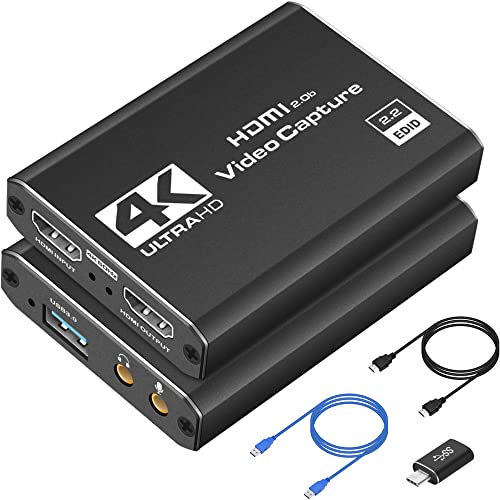
- Plug-and-play with no drivers
- 1080P 60FPS capture with low latency
- Works with PS5, Xbox, Switch, PC, and Mac
Best For: Beginners who want an easy, portable gaming capture card
Ultra-Low-Latency Basic Pick
AXHDCAP HDMI to USB Capture Card

- Simple plug-and-play setup
- Ultra-low-latency real-time preview
- USB 2.0 limits output to 1080P 30Hz
Best For: Casual users needing a basic HDMI capture solution
Portable USB-C Performer
Guermok 1080P 60FPS Capture Card
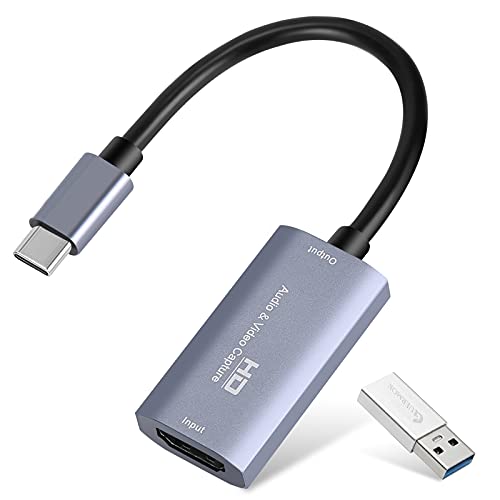
- 1080P 60FPS capture over USB 3.0
- USB-C and wide OS/device compatibility
- Compact, plug-and-play design
Best For: Creators who need a portable capture card for streaming and recording
Ultra-Compact Starter Choice

- Very small and easy to carry
- Plug-and-play with broad OS support
- USB 2.0 is best for basic capture
Best For: Entry-level buyers who want the cheapest simple capture option
Budget-Friendly 4K Loop-Out Pick

- 4K 60Hz input with loop-out support
- Captures up to 1080p 60fps or 2K 30fps
- Mic-in jack for live commentary
Best For: Gamers who want affordable 4K passthrough and basic streaming support
Portable Plug-and-Play Budget Option

- No-driver plug-and-play setup
- 1080p 60fps recording with 4K 30Hz input
- Compact build for travel and small setups
Best For: Casual streamers who want a simple portable capture card
Simple Low-Latency Starter Pick

- Plug-and-play with automatic detection
- HDMI loop-out for low-delay gameplay
- Mic-in support for live commentary
Best For: Beginners who want an easy 1080p capture card for gaming
Budget-Friendly Pick
acer USB 3.0 HDMI Capture Card

- 4K input with 1080p 60Hz capture
- Mic-in for live commentary
- Plug and play with broad console support
Best For: Budget-minded gamers who want easy setup and low-latency capture
Easy Starter Choice

- 1080p 60FPS capture with low latency
- Plug and play on Windows, Mac, and Linux
- Mic and audio ports for commentary
Best For: First-time streamers who want simple setup and dependable gameplay capture
Value Runner-Up
4K HDMI Capture Card for Streaming

- 1080p capture with HDMI loop-out
- Mic-in for live commentary
- Plug and play on Windows and Mac
Best For: Value seekers who want simple streaming capture with zero-fuss setup
Budget-Friendly Plug-and-Play – 4K USB 3.0 Capture Card for 1080P 60FPS
If you want a budget capture card for gaming that’s easy to set up, this USB 3.0 model focuses on smooth 1080P 60FPS capture with low-latency passthrough. It’s a practical fit for beginners who want to stream or record from a console or PC without dealing with driver installs or complicated setup.
Best For: New streamers and casual gamers who want a simple, portable capture card for OBS, Twitch, or recording gameplay.
Pros:
- Plug-and-play USB setup with no drivers needed
- Supports 1080P 60FPS capture and 4K passthrough/preview features
- Works with PS5, PS4, Xbox, Switch, DSLR cameras, PC, and Mac
- Low-latency design helps keep gameplay and broadcast in sync
Cons:
- Only outputs/captures at 1080P, not full 4K recording
- Requires a USB 3.0 port for the intended performance
This is a strong value pick if you want broad compatibility and a straightforward workflow. It’s especially appealing for creators who need a compact device they can move between setups.
Ultra-Low-Latency Basic Pick – AXHDCAP HDMI to USB Capture Card
This budget capture card for gaming is aimed at simple HDMI-to-USB recording with easy plug-and-play operation. It captures up to 1080P 30Hz on output while accepting HDMI input up to 4K 60FPS, making it a straightforward choice for basic streaming, recording, and conferencing needs.
Best For: Users who want a simple USB 2.0 capture device for casual gameplay recording, streaming, or teaching setups.
Pros:
- Plug-and-play design with no drivers or external power required
- Ultra-low-latency preview for real-time monitoring
- Compatible with Windows, MacOS, and Linux
- Supports OBS, Twitch, YouTube, Zoom, VLC, and more
Cons:
- USB 2.0 output limits capture to 1080P 30Hz
- Not intended for adding HDMI output to laptops or computers
- Less suited to higher-performance gaming capture than USB 3.0 models
If you mainly need an inexpensive, easy-to-use adapter for basic HDMI capture, this model keeps things simple. The tradeoff is the slower USB 2.0 connection, so it’s best when convenience matters more than top-end capture performance.
Portable USB-C Performer – Guermok 1080P 60FPS Capture Card
If you want a budget capture card for gaming with stronger performance, this USB 3.0 USB-C model is built for 1080P 60FPS capture and low-latency screen sharing. It’s a handy option for streamers who need broad compatibility across consoles, computers, and mobile-style setups, while still staying compact enough to carry around.
Best For: Gamers and creators who want a portable USB-C capture card for OBS, streaming, and real-time recording.
Pros:
- 1080P 60FPS capture with 4K@30Hz input support
- USB-C and USB interface support for flexible connections
- Works with Windows, Mac, Linux, Android, iPad, and many capture apps
- Plug-and-play design with no external power supply needed
Cons:
- One-way HDMI-to-USB-C transmission only
- Needs capture software to function
- Adapter use may require checking for USB 3.0 recognition
This is a strong pick if portability and compatibility matter more than extra bells and whistles. Its notes point to useful real-time preview, wide device support, and a small form factor that’s easy to toss in a bag.
Ultra-Compact Starter Choice – 1080P USB 2.0 Capture Card
This budget capture card for gaming is the most basic option in the group, built around USB 2.0 for simple HDMI video and audio capture. It’s designed for users who want an inexpensive, compact way to record gameplay or share a screen in meetings without needing advanced setup.
Best For: Entry-level users who need a small, affordable capture card for consoles, meetings, or casual recording.
Pros:
- Plug-and-play operation with no driver installation
- Compact and lightweight for easy travel
- Compatible with Windows, macOS, and Linux
- Works with OBS, VLC, Potplayer, Twitch, and YouTube
Cons:
- USB 2.0 connection is less capable than USB 3.0 options
- Capture is listed at 1080P 30FPS in the notes
- Best suited to basic use rather than higher-performance gaming capture
If your priority is saving money and keeping the setup simple, this card fits the bill. It offers the essentials for HDMI capture, but the USB 2.0 design means it’s better for light-duty use than serious streaming.
Budget-Friendly 4K Loop-Out Pick – XIIXMASK 4K HDMI Capture Card
If you want a budget capture card for gaming with strong everyday versatility, this XIIXMASK model covers the basics well. It supports 4K 60Hz input and loop-out, while capturing at up to 1080p 60fps or 2K 30fps, making it a practical choice for streaming, recording, and real-time preview without overcomplicating setup.
Best For: Streamers and gamers who want a low-cost capture card with mic-in support and 4K pass-through.
Pros:
- 4K 60Hz HDMI input with up to 4K 60Hz loop-out
- Captures at 1080p 60fps or 2K 30fps for smooth gameplay recording
- Mic-in port lets you add live commentary through a 3.5mm headset or microphone
- Broad compatibility with PS5, Switch, Xbox, PC, OBS, and more
Cons:
- Does not record party chats
- OBS audio setup may require a restart after configuration
- Best results depend on having the right USB 3.0 connection and setup
Overall, this is a solid budget-friendly option if you need a simple capture card that handles common gaming and streaming tasks, especially when mic commentary and 4K passthrough matter more than premium extras.
Portable Plug-and-Play Budget Option – USB 3.0 HDMI Capture Card
This budget capture card for gaming is built for simple, plug-and-play use across a wide range of devices. It supports up to 4K 30Hz HDMI input and records at 2K 30Hz or 1080p 60fps, so it fits casual streaming, gameplay capture, and screen sharing without needing external power or drivers.
Best For: Users who want a compact, easy-to-carry capture card for streaming and recording on Windows or macOS.
Pros:
- Plug and play with no driver or external power required
- Captures up to 1080p 60fps with 4K 30Hz input support
- Compact aluminum-alloy design with ultra-low-latency transmission
- Works with OBS, Zoom, VLC, Twitch Studio, and more
Cons:
- No built-in mic-in for commentary
- 4K input is limited to 30Hz rather than 60Hz
- Tablet use depends on OTG being enabled
For buyers who value convenience and portability over advanced features, this model is a straightforward choice. It keeps setup simple while still offering the resolution and latency performance most casual streamers need.
Simple Low-Latency Starter Pick – Rybozen 1080p60 Capture Card
If you’re shopping for a budget capture card for gaming and want a no-fuss starter option, this Rybozen model keeps things simple. It captures up to 1080p and supports HDMI loop-out with low latency, making it a practical fit for basic streaming, gameplay recording, and camera input on a USB 3.0 setup.
Best For: First-time buyers who want a basic, low-latency capture card with mic-in support.
Pros:
- Plug-and-play design with automatic device detection
- HDMI loop-out helps reduce delay during gameplay
- Mic-in support for external commentary
- Works with Windows and Mac OS plus common apps like OBS and VLC
Cons:
- Captures only up to 1080p despite higher input support
- Mic-in only accepts 3.5mm TRS standard headset microphones
- Warranty coverage is limited to 60 days
This is a sensible entry-level pick if your priority is simplicity rather than higher-end capture specs. It offers the core features most gamers need at a budget-friendly level, especially for standard 1080p workflows.
Budget-Friendly Pick – acer USB 3.0 HDMI Capture Card
If you’re shopping for a budget capture card for gaming, this Acer USB 3.0 model covers the essentials without adding much hassle. It supports 4K input with smooth 1080p 60Hz capture, includes mic-in for commentary, and works plug-and-play with popular streaming setups.
Best For: Gamers and creators who want an affordable, low-latency capture card with easy setup and mic input.
Pros:
- 4K input with 1080p 60Hz capture for clear gameplay recording
- Mic-in support for live commentary without extra adapters
- Plug and play design with no extra drivers or external power
- Wide compatibility with Switch 2, PS5/PS4, Xbox, PC, OBS, and more
Cons:
- Capture resolution tops out at 1080p rather than 4K
- Depends on a USB 3.0 port for best operation
Overall, this is a practical entry-level option if you want simple streaming, recording, and voice commentary support in one compact device. Its broad compatibility and low-latency focus make it a strong value pick for budget-conscious gamers.
Easy Starter Choice – 4K HD Video Capture Card
This budget capture card for gaming focuses on straightforward setup and stable 1080p 60FPS recording. It uses USB 3.0 plug-and-play recognition on Windows, Mac, and Linux, and adds microphone input plus audio output ports for commentary.
Best For: Beginners who want a simple, low-lag capture card for streaming console or PC gameplay.
Pros:
- 1080p 60FPS capture with minimal latency
- True plug and play with no driver setup required
- Mic input and audio output ports for commentary mixing
- Works with Switch, PS5, PS4, Xbox, PC, cameras, and OBS
Cons:
- Capture resolution is limited to 1080p
- Requires USB 3.0 for the intended performance
For buyers who want a no-fuss entry point, this model keeps the feature set focused on smooth recording and simple compatibility. The included support resources and 2-year warranty also help make it a comfortable first capture card purchase.
Value Runner-Up – 4K HDMI Capture Card for Streaming
If you need a budget capture card for gaming that still handles the basics well, this Kedok model keeps the workflow simple. It offers 1080p capture, HDMI loop-out for playing without delay, and plug-and-play setup on Windows and Mac.
Best For: Gamers who want low-latency HDMI loop-out and microphone support in an affordable capture card.
Pros:
- 1080p capture for HDMI gameplay sources
- HDMI loop-out helps avoid delay while playing
- Mic-in support for external commentary
- Plug and play with Windows and Mac OS
Cons:
- Recording is limited to 1080p rather than 4K
- Mic input only accepts 3.5mm TRS standard headset mics
This is a sensible choice if your priority is a stable, low-latency capture path rather than advanced extras. The lifetime warranty adds a little extra reassurance for a value-focused buy.
How We Picked the Best Budget Capture Card for Gaming
We focused on cards that make sense for everyday gaming and streaming: USB-powered operation, 1080p 60fps capture, simple setup, and compatibility with popular platforms like Nintendo Switch, PS5, Xbox, Windows, and macOS where possible. We also looked for useful extras such as HDMI loop-out, USB 3.0 support, and plug-and-play operation.
Quick Comparison: What Matters Most
For most buyers, the biggest differences come down to capture resolution, input passthrough, and connection type. A Budget Capture Card for Gaming that supports 1080p60 is the sweet spot for smooth gameplay footage and livestreams. If you want to play on a separate display with minimal delay, HDMI loop-out is a major advantage. USB-C support can also be helpful for newer laptops and tablets, while USB-A remains the most universal option.
Key Buying Factors for a Budget Capture Card for Gaming
Capture Quality
Look for 1080p at 60fps if your goal is clean, fluid gameplay recording or streaming. 4K pass-through can be useful, but real-world capture quality matters more than marketing specs if you are shopping on a tight budget.
Latency and Passthrough
Low latency is important for fast-paced games. HDMI loop-out lets you play directly on a monitor or TV while the capture card sends video to your PC for recording or broadcast.
Compatibility
Check whether the device works with your console, computer, and streaming software. A strong Budget Capture Card for Gaming should be easy to use with OBS, Streamlabs, or similar apps, and it should fit your system’s ports.
Audio Support
Some cards handle microphone or audio mixing better than others. If you plan to add commentary, verify whether the card supports game audio pass-through and external mic input the way you need.
Build and Portability
Compact, bus-powered cards are best for smaller setups and travel. If you move between rooms or use multiple devices, portability may matter more than premium housing or extra cables.
Who Should Buy Which Budget Capture Card for Gaming?
Choose the simplest 1080p60 plug-and-play option if you want the easiest setup for console streaming. Pick a model with USB-C if you use a modern laptop or tablet and want fewer adapters. If your priority is playing without noticeable delay, select a card with HDMI loop-out. For creators who want the broadest compatibility and the lowest cost, a basic USB 3.0 Budget Capture Card for Gaming is usually the best starting point.