FPV flying can mean immersive goggles, tight indoor practice, cinematic camera moves, or fast freestyle flights. The right drone depends less on headline specifications than on how safely and comfortably it fits your experience, space, and upgrade plans.
This roundup compares 10 FPV drones for hobbyists across beginner kits, ready-to-fly micro quads, cinewhoops, and camera-equipped models. We focus on flight control, included equipment, durability, video capability, and overall value.
Best 10 Fpv Drones for Hobbyists Picks for 2026
Immersive FPV Pick
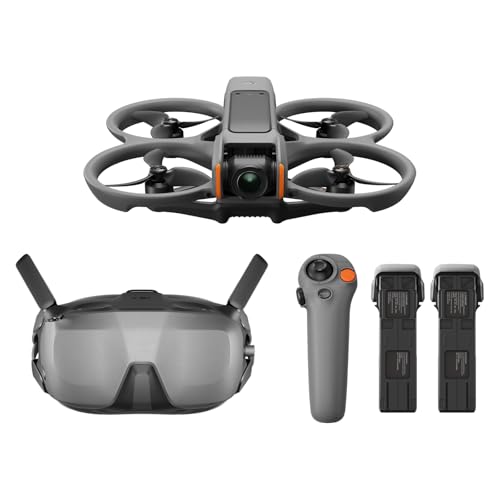
- Goggles and motion control included
- 4K/60fps video with 155° FOV
- Three batteries and propeller guards
Best For: Beginners seeking immersive FPV and easy acrobatics
Portable Smart FPV Pick
DJI Neo 2 Motion Fly More Combo

- Lightweight 151g design with propeller guards
- Palm takeoff, gesture control, and tracking
- 4K camera, goggles, and three batteries included
Best For: Creators wanting easy, portable FPV capture
Immersive Camera Pick

- 135g lightweight camera drone
- 4K stabilized video with tracking
- Includes goggles, motion controller, and 3 batteries
Best For: Casual FPV exploration and stabilized aerial footage
Freestyle Micro Pick
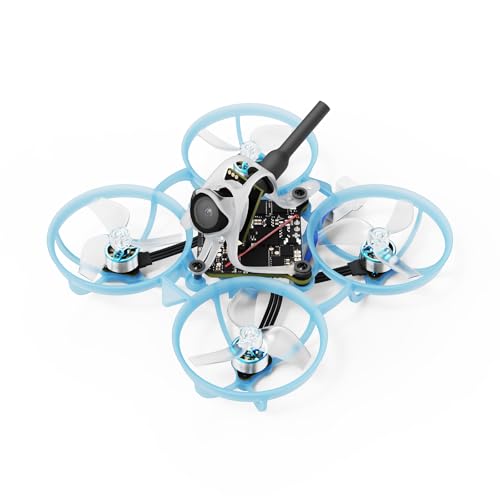
- Ultralight 1S freestyle quadcopter
- 25000KV motors with 12A ESC
- Reinforced design for repeated impacts
Best For: Indoor and outdoor micro freestyle practice
Beginner Ready-to-Fly Pick
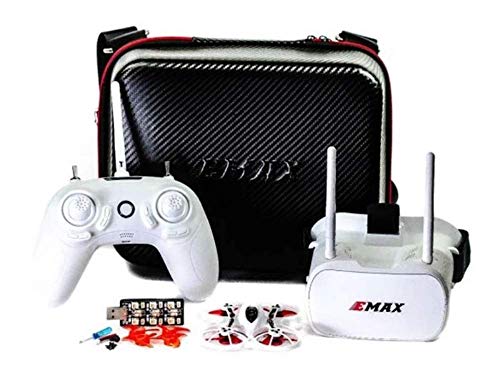
- Complete kit with goggles and controller
- Real FPV video, not Wi-Fi
- Up to 35 mph and 200-foot range
Best For: Beginners starting with an all-in-one FPV kit
Best LCD-Controller Pick

- Built-in 2.8-inch FPV display
- 270-degree obstacle sensing
- Foldable and under 250 grams
Best For: Beginners and adults who prefer not to fly with a smartphone
Best for Indoor FPV Practice

- 1080p video at up to 120fps
- 32-gram protected whoop frame
- ELRS control with six-channel charging
Best For: Hobbyists practicing indoor lines, gates, and freestyle
Best Beginner Camera Drone

- 2K camera with adjustable angle
- Optical-flow positioning and altitude hold
- Two batteries for about 26 minutes total
Best For: Beginners and teens wanting a portable, easy-to-use camera drone
Immersive FPV Pick – DJI Avata 2 Fly Smart Combo
For hobbyists who want an immediately immersive way to fly, the DJI Avata 2 combines goggles, motion control, acrobatics, and 4K video in one ready-to-use package. Its built-in propeller guard and beginner-oriented controls make it approachable, while the wide 155° field of view and 1/1.3-inch sensor support compelling low-altitude footage.
Best For: Beginners and hobbyists who prioritize immersive FPV flying, easy acrobatics, and high-quality POV content.
Pros:
- Includes DJI Goggles N3, RC Motion 3, and three intelligent batteries.
- Motion control simplifies flying, while flip, roll, and 180° drift functions add room to progress.
- Records 4K/60fps video with a 155° field of view and a 1/1.3-inch CMOS sensor.
- Integrated propeller guards add durability and confidence during practice.
Cons:
- The 1.56 kg listed package weight is less travel-friendly than lighter options.
- Its feature set and goggles-based design may be more than casual pilots need.
This is a strong all-in-one choice for fpv drones for hobbyists, especially if the goal is a cinematic cockpit perspective without assembling a separate aircraft, controller, and goggle setup.
Learning-Friendly RTF Pick – BETAFPV Aquila20 FPV Kit
The BETAFPV Aquila20 is a complete ready-to-fly option for hobbyists learning FPV fundamentals. Its altitude-hold N Mode, progressive S and M modes, crash-resistant frame, and included goggles and transmitter create a practical path from stable hovering to manual flight.
Best For: New FPV pilots who want a durable indoor/outdoor kit with staged flight modes and everything needed to begin.
Pros:
- Complete kit includes the drone, VR04 goggles, LiteRadio 4 SE transmitter, batteries, charger, and carrying case.
- N Mode provides altitude hold and stable hovering for early practice.
- S Mode and M Mode allow progression toward freer and fully manual flying.
- PA410 construction, integrated protection, and Turtle Mode help reduce downtime after crashes.
Cons:
- The listed maximum range is 200 meters, shorter than several larger FPV systems.
- The drone cannot switch from N Mode to S or M Mode during flight.
- VR04 recording requires a microSD card, which is not included.
Among fpv drones for hobbyists, this kit stands out as a structured training platform: it emphasizes forgiving handling first, then gives pilots a clear route toward manual control.
Portable Smart FPV Pick – DJI Neo 2 Motion Fly More Combo
The DJI Neo 2 offers a lightweight, approachable entry into FPV flying while adding hands-free features that suit everyday creators. Palm takeoff and landing, gesture control, subject tracking, omnidirectional obstacle sensing, and included goggles make it easier to capture moments without committing to a larger aircraft.
Best For: Casual hobbyists and creators who want portable FPV capability, automated subject features, and simple takeoff options.
Pros:
- At 151g, it is compact and includes full-coverage propeller guards.
- Palm takeoff, landing, gesture control, and SelfieShot simplify quick captures.
- ActiveTrack and omnidirectional obstacle sensing add useful automated support.
- Fly More Combo includes goggles, RC Motion 3, three batteries, and a charging hub.
Cons:
- DJI Fly is not available through Google Play and must be downloaded from DJI’s website.
- Its listed features emphasize automated and creator-friendly flying more than advanced manual FPV progression.
For fpv drones for hobbyists who value portability and convenience, the Neo 2 is a flexible choice that blends 4K imaging and FPV viewing with beginner-friendly controls and tracking tools.
Low-Light Cinewhoop Pick – CADDXFPV Gofilm 20 FPV Drone
The CADDXFPV Gofilm 20 is aimed at hobbyists who want a compact cinewhoop for smooth, atmospheric footage. Its Avatar Moonlight camera records 4K/60fps, supports strong low-light performance, and pairs with EIS and Gyroflow compatibility, while the 360° protective guards help it handle tighter indoor and outdoor flying.
Best For: FPV hobbyists and content creators seeking lightweight, stabilized 4K footage in challenging light or compact spaces.
Pros:
- Avatar Moonlight system supports true 4K/60fps recording and low-light capture.
- EIS and Gyroflow support help produce smoother video.
- At 115g, the compact frame is maneuverable and does not require FAA registration or Remote ID in most regions, according to the supplied notes.
- 360° guards and an impact-resistant body suit indoor, outdoor, and close-proximity flying.
Cons:
- This listing is for the drone itself and does not include goggles, a transmitter, or batteries.
- A high-speed microSD card is required to unlock full 4K quality and is not included.
- Listed hover time is approximately 5.5 minutes.
The Gofilm 20 is a specialized pick among fpv drones for hobbyists: it is best suited to pilots who already have compatible FPV equipment and care more about compact, stabilized, low-light video than an all-in-one starter bundle.
Immersive Camera Pick – DJI Neo Motion Fly More Combo
For hobbyists who want an easy entry into fpv drones for hobbyists, the DJI Neo Motion Fly More Combo combines immersive motion control with a compact camera drone. Its included goggles, motion controller, three batteries, and propeller guards make it a convenient option for casual FPV exploration and stabilized aerial footage.
Best For: Hobbyists who want controller-assisted FPV flying, subject tracking, and 4K video in a lightweight package.
Pros:
- Includes DJI Goggles N3 and RC Motion 3 for an immersive flying setup.
- Captures 4K UHD video with DJI stabilization and offers subject tracking and QuickShots.
- At 135g, it is lightweight and designed for convenient carrying.
- Includes three batteries, a charging hub, and full-coverage propeller guards.
Cons:
- Its emphasis on automated shooting and motion control may not suit pilots seeking a fully manual freestyle experience.
- The compact aircraft is primarily designed around aerial footage and casual flying rather than racing.
The Neo is a strong fit when convenience, stabilized video, and an included FPV viewing system matter more than competitive freestyle performance.
Freestyle Micro Pick – BETAFPV Air65 II
The BETAFPV Air65 II is a purpose-built choice for hobbyists comparing fpv drones for hobbyists with an emphasis on freestyle handling. Its ultralight 1S design, high-KV motors, reinforced frame, and crash-focused flight controller are aimed at pilots who want responsive indoor and outdoor practice.
Best For: FPV hobbyists who prioritize ultralight freestyle flying, low-throttle control, and crash resilience.
Pros:
- 0702 25000KV motors and three-blade props are tuned for strong propulsion and low-throttle torque.
- Matrix 1S 5IN1 II flight controller includes a 12A continuous ESC and impact-cushioning mounting.
- Reinforced canopy and impact-absorbing frame are designed for repeated crashes.
- Suitable for indoor and outdoor freestyle practice.
Cons:
- The supplied notes do not indicate that goggles or a remote controller are included.
- Its ultralight 1S format is focused on micro freestyle rather than long-range flying or high-end imaging.
The Air65 II makes the most sense for pilots who already have compatible FPV gear or are building a lightweight freestyle setup around a durable micro quad.
Beginner Ready-to-Fly Pick – EMAX Tiny Hawk RTF
Tiny Hawk RTF Micro Indoor Racing Drone with FPV Goggles and Controller for Beginners
Check Price On AmazonThe EMAX Tiny Hawk RTF keeps the starting process straightforward for hobbyists shopping for fpv drones for hobbyists. The package includes the micro drone, FPV goggles, controller, battery, and carrying case, so beginners can experience real-time FPV without assembling a separate setup.
Best For: Beginners who want a complete indoor-oriented FPV starter kit with goggles and a controller included.
Pros:
- Ready-to-fly package includes the drone, FPV goggles, controller, and battery.
- Uses real FPV rather than Wi-Fi video.
- Compact and lightweight design is easy to carry in the included case.
- Offers speeds up to 35 mph and a stated range of up to 200 feet.
Cons:
- 720p video is more basic than the 4K capture offered by larger camera-focused drones.
- The approximately 200-foot range is limited compared with longer-range FPV systems.
- The supplied notes do not identify advanced stabilization or automated filming modes.
With its included controls and goggles, the Tiny Hawk RTF is a practical first step for beginners who want to learn FPV flying without sourcing every component separately.
Best LCD-Controller Pick – TT19LCD FPV Camera Drone
For hobbyists who want a straightforward entry point into FPV drones for hobbyists, the TT19LCD combines a remotely adjustable HD camera with a built-in controller screen. Its optical-flow positioning, obstacle sensing, foldable design, and protective guards make it especially practical for learning and casual travel flights.
Best For: Beginners and adults who want FPV viewing without using a smartphone.
Pros:
- Built-in 2.8-inch controller display avoids smartphone connection issues.
- 90-degree adjustable camera and support for TF cards up to 32GB.
- 270-degree obstacle sensing, optical-flow hovering, and propeller guards add beginner-friendly support.
- Foldable, under-250-gram design with a modular battery.
Cons:
- The supplied notes do not specify flight time or maximum control range.
- Its feature set is aimed more at accessible flying than advanced racing FPV.
The TT19LCD is a sensible choice when convenience and stability matter more than specialized FPV performance. The integrated screen is its main differentiator, while obstacle sensing and protective hardware help reduce the learning curve.
Best for Indoor FPV Practice – CADDXFPV Curve Micro16
The CADDXFPV Curve Micro16 is a purpose-built option for hobbyists progressing into more demanding FPV flying. Its 32-gram whoop frame, 1080p 120fps video, ELRS control, and full propeller protection suit tight indoor lines, gate practice, and freestyle sessions.
Best For: FPV hobbyists who already have compatible ELRS radio or Ascent HD viewing equipment.
Pros:
- 1080p video at up to 120fps with a 147-degree field of view.
- Lightweight 32-gram frame and high-KV motors provide responsive handling.
- One-piece whoop frame and full propeller protection tolerate wall taps and hard landings.
- Includes a six-channel Type-C charger and supports compatible 1S batteries.
Cons:
- Radio and goggles are not included.
- Flight time is about six minutes per battery.
- Its ELRS and Ascent compatibility may require existing or additional gear.
This is the most specialized pick in the group for practicing real FPV lines. The durable whoop construction and low weight are useful for indoor learning, but the BNF setup makes it less suitable as an all-in-one beginner package.
Best Beginner Camera Drone – Loiley 2K FPV Drone
The Loiley 2K FPV drone offers an approachable way to explore FPV drones for hobbyists without committing to specialized racing equipment. Smartphone FPV viewing, optical-flow positioning, altitude hold, one-touch controls, and two batteries make it a practical starter for casual aerial photos and basic flight practice.
Best For: Beginners, teens, and families seeking a portable camera drone with simple controls.
Pros:
- 2K camera with a remotely adjustable 90-degree viewing angle.
- Optical-flow positioning and altitude hold support steadier beginner flights.
- Two batteries provide approximately 26 minutes of combined flight time.
- Includes a carrying case, propeller guards, spare propellers, and support services.
Cons:
- FPV viewing depends on a smartphone and Wi-Fi connection.
- The product is designed for beginner flying rather than advanced FPV racing.
- The supplied notes do not specify the per-battery flight time or Wi-Fi range.
Choose the Loiley when easy controls, portability, and included accessories are priorities. It is a more conventional camera-drone experience than the dedicated CADDXFPV whoop, but its two-battery package gives new pilots useful practice time.
How We Picked These Fpv Drones for Hobbyists
We selected models representing the main ways hobbyists enter FPV: complete ready-to-fly kits, compact indoor whoops, freestyle-oriented quads, cinematic cinewhoops, and camera drones with simplified controls. We considered the equipment included in each package, such as goggles, a transmitter, batteries, and charging accessories, because a low sticker price can be misleading if essential gear must be purchased separately.
We also weighed flight environment, camera performance, repairability, control difficulty, battery practicality, and the availability of beginner-friendly features. A strong choice should match the pilot’s current skill level without unnecessarily limiting future practice or upgrades.
Quick Comparison
| Best For | Look For | Typical Strength |
|---|---|---|
| First-time pilots | Ready-to-fly package and assisted modes | Lower setup complexity |
| Indoor practice | Lightweight whoop frame and prop guards | Safer, more forgiving flights |
| Freestyle | Agile brushless motors and durable frame | Responsive handling |
| Cinematic flying | Stabilized 4K video and protected propellers | Smoother footage near people or structures |
| Longer sessions | Multi-battery bundle and easy charging | Less downtime |
Key Buying Factors for Fpv Drones for Hobbyists
Choose the Right Control Experience
Traditional FPV transmitters provide precise, transferable skills and are usually the better long-term choice for freestyle or racing. Motion controllers can make basic directional flying more approachable, but they may offer less control for advanced maneuvers. Beginners should also check whether the drone includes an appropriate receiver, goggles, and controller rather than assuming every package is complete.
Match the Drone to Your Flying Space
Micro whoops are generally the easiest starting point for indoor rooms, small yards, and low-risk practice. Larger camera drones and cinewhoops need more clearance and should be flown in open areas. Propeller guards add protection, but they do not eliminate the need to avoid people, traffic, pets, and obstacles.
Evaluate Video and Battery Needs
Higher-resolution recording is useful for travel and cinematic work, while a low-latency live feed matters more for precise control. Check recording frame rate, stabilization, storage, and whether the goggles display a clear signal. Battery bundles are valuable for learning because repeated short flights are more productive than waiting between charges.
Think About Repairs and Regulations
FPV crashes are part of the learning curve. Favor replaceable propellers, accessible batteries, and commonly available parts when possible. Before flying, review local registration, airspace, privacy, and remote-identification requirements; rules can vary by location and drone weight.
Who Should Buy Which Fpv Drones for Hobbyists?
New pilots who want the simplest path should choose a complete beginner kit with goggles, controller, and assisted flight features. Indoor learners and pilots prioritizing durability should look at lightweight brushless whoops. Hobbyists focused on video should favor a stabilized camera drone or cinewhoop with strong recording quality and protected propellers. Experienced pilots seeking skill development should choose a responsive freestyle or racing model with a conventional transmitter and a clear upgrade path.