Choosing among today’s laptops for photo editing means looking past basic specs and focusing on the parts that affect real-world creative work: display quality, memory, storage speed, and sustained performance.
This roundup highlights 10 options that can handle Lightroom, Photoshop, and large image libraries more confidently, whether you want a portable creator machine or a heavier workstation.
Best 10 Laptops for Photo Editing Picks for 2026
Creator Pro 17.3" Hybrid Workhorse

- 17.3-inch FHD touchscreen with 100% sRGB
- RTX 4050 and Intel Core Ultra 7 for creative work
- 1TB SSD, 16GB RAM, and Thunderbolt 4
Best For: Creators who want a large editing display and dedicated graphics
Budget Big-Screen Editor

- 17.3-inch anti-glare Full HD display
- Ryzen 5 and 512GB SSD for everyday speed
- Windows 11 Pro with Wi-Fi 6 and HDMI
Best For: Light photo editing and general productivity on a budget
Portable AI Creator Pick
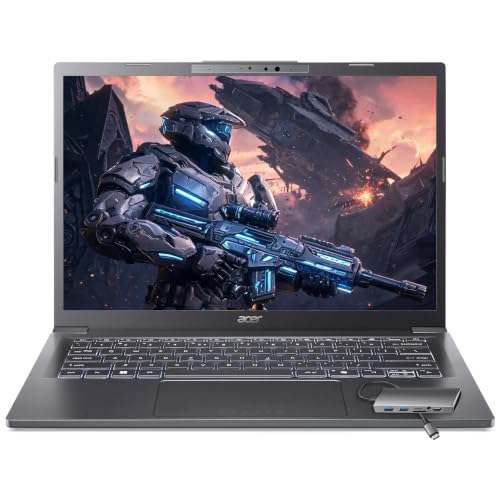
- 32GB RAM and 2TB SSD for large projects
- Core Ultra 7 with NPU for AI-assisted workflows
- 14-inch touchscreen with stylus support
Best For: Mobile photographers and freelancers who edit on the go
Executive Productivity Pick
Lenovo ThinkPad T14 Gen 6 14" Business AI Laptop

- 32GB DDR5 RAM and 1TB SSD for fast multitasking
- 14" FHD+ IPS anti-glare display with wide viewing angles
- Thunderbolt 4, HDMI, and support for up to 3 external monitors
Best For: Professionals needing a secure, portable laptop for everyday photo editing and work
Budget Creator Value
NIMO 15.6 AI Creator Laptop with Ryzen 5 6600H

- Ryzen 5 6600H with 6 cores and 12 threads
- Radeon 660M graphics support light photo editing
- 16GB DDR5 RAM, 512GB SSD, and upgrade room
Best For: Students and entry-level creators needing a budget-friendly editing laptop
Workstation Power Choice
Dell Precision 5550 Renewed 15.6" Workstation

- Core i7-10850H with 32GB RAM for demanding workloads
- Dedicated Nvidia Quadro graphics for creative tasks
- 1TB SSD and flexible port selection
Best For: Users wanting a renewed workstation for more serious photo editing
Workstation Value Option
Dell Precision 7680 16" FHD+ Creator Laptop

- Core i9-13950HX with 32GB DDR5 CAMM
- 16-inch FHD+ anti-glare display
- Thunderbolt 4, HDMI, USB-C, and Ethernet
Best For: Professional editors and creators needing workstation power
GPU-Ready Creator Workhorse
Dell Precision 7680 with RTX 2000 Ada

- RTX 2000 Ada 8GB dedicated GPU
- Core i7-13850HX plus 32GB DDR5 CAMM
- 16-inch FHD+ anti-glare display
Best For: Creative pros who want dedicated graphics for editing
Creator Pro 17.3" Hybrid Workhorse – HP OmniBook X AI Laptop
If you want laptops for photo editing with a big canvas and strong graphics support, this HP OmniBook X is built to handle layered work, color checks, and multitasking without feeling cramped. The 17.3-inch FHD touchscreen, 100% sRGB coverage, and RTX 4050 give it a clear edge for creators who also need a capable all-around machine.
Best For: Photographers, designers, and creators who want a large touchscreen display plus discrete graphics for editing and multitasking.
Pros:
- 17.3-inch FHD IPS touchscreen with 400 nits and 100% sRGB for more accurate visual work
- Intel Core Ultra 7 and NVIDIA GeForce RTX 4050 support demanding creative workflows
- 1TB SSD and 16GB RAM help with fast file access and smooth multitasking
- Thunderbolt 4, USB-C, USB-A, and HDMI 2.1 make it easy to connect a full studio setup
Cons:
- Large 17.3-inch design is less portable than smaller editing laptops
- Graphics and display quality are strong, but the FHD panel is not as sharp as higher-resolution options
This is a strong choice if you value screen size, responsive performance, and flexible connectivity for serious editing work. It leans more toward a desktop replacement than a travel-friendly notebook.
Budget Big-Screen Editor – HP 17 Laptop
For shoppers looking at laptops for photo editing on a larger screen without going all-in on premium specs, this HP 17 focuses on basics that matter most: a roomy 17.3-inch Full HD display, solid everyday performance, and straightforward connectivity. It’s better suited to light-to-moderate editing than heavy creative workloads, but the big panel is useful for timelines, thumbnails, and general review work.
Best For: Casual editors, students, and business users who want a big-screen laptop for basic photo and video work.
Pros:
- 17.3-inch FHD anti-glare display gives you a larger workspace for editing and multitasking
- AMD Ryzen 5 7520U handles everyday productivity and lighter creative tasks
- 512GB SSD supports quick boot times and decent local storage for projects
- Windows 11 Pro, Wi-Fi 6, Bluetooth 5.3, and HDMI add practical everyday flexibility
Cons:
- Integrated graphics are not ideal for demanding photo effects or heavy visual workloads
- 8GB RAM is modest for large image files and multiple creative apps
- 300-nit display and 0.45 color gamut are less suited to color-critical editing
This model makes sense if your editing needs are light and you want a larger screen at a simpler spec level. It’s a practical, no-frills option rather than a creator-focused powerhouse.
Portable AI Creator Pick – Acer Aspire Laptop 2026
This Acer Aspire is a compelling option in laptops for photo editing if you want portability without giving up modern creative features. The Intel Core Ultra 7 chip, 32GB of memory, and Intel Arc 140V graphics are paired with a 14-inch touchscreen, making it a compact machine for retouching, organizing assets, and working on the go.
Best For: Photographers, freelancers, and remote workers who want a lightweight laptop with strong AI and editing support.
Pros:
- Intel Core Ultra 7 258V with 47 TOPS NPU supports AI features and local task acceleration
- 32GB LPDDR5X RAM and 2TB SSD provide excellent headroom for large projects and fast storage
- Intel Arc 140V graphics are designed to help with Lightroom editing and 1080p video work
- 14-inch touchscreen and stylus support make hands-on photo retouching more convenient
Cons:
- 14-inch display is smaller than many creator-focused alternatives
- Integrated graphics are good for acceleration, but not the same as a discrete GPU for heavier workloads
For mobile creators, this balances strong specs with real portability. It stands out most when you need a fast, flexible editing laptop that travels easily.
High-Refresh Creative Performer – ASUS V16 Gaming Laptop
If you want laptops for photo editing with extra graphics muscle, the ASUS V16 brings a fast Intel Core 7 processor and RTX 5060 GPU into a 16-inch 16:10 panel. The WUXGA display, 144Hz refresh rate, and dedicated graphics make it a strong pick for creators who also value smooth visuals and responsive multitasking.
Best For: Editors who want a powerful GPU, a modern 16:10 display, and a system that can also handle gaming.
Pros:
- RTX 5060 with 8GB GDDR7 is well suited to AI-accelerated photo editing and heavier visual tasks
- 16-inch 1920 x 1200 display gives you a taller workspace than standard 16:9 panels
- Intel Core 7 240H and 16GB RAM support fast multitasking and creative apps
- 512GB SSD and Wi-Fi 6/Bluetooth 5.3 cover the essentials for daily use
Cons:
- 144Hz display is not a necessity for photo editing and adds more gaming-oriented appeal
- 512GB storage may feel tight for large photo libraries and project files
- Windows 11 Home offers fewer business features than Pro editions
This is a flexible option if you want creator-friendly graphics power in a laptop that also doubles as a gaming machine. It’s especially appealing for users who do more than simple image adjustments.
Executive Productivity Pick – Lenovo ThinkPad T14 Gen 6 14" Business AI Laptop
If you want laptops for photo editing that also stay dependable for everyday work, the ThinkPad T14 Gen 6 leans more toward a fast, business-ready editing machine than a flashy creator rig. Its Core Ultra 7 processor, 32GB of DDR5 RAM, and 1TB SSD should handle large files, multitasking, and general creative workflows with plenty of headroom.
Best For: Professionals who want a compact, secure laptop for light-to-moderate photo editing plus business productivity.
Pros:
- 32GB DDR5 RAM and a 1TB NVMe SSD support smooth multitasking and fast file access.
- 14-inch FHD+ IPS anti-glare display gives sharp visuals and wide viewing angles.
- Thunderbolt 4, HDMI, and support for up to 3 external monitors add strong workspace flexibility.
- Windows 11 Pro, fingerprint reader, and 5MP webcam make it well-suited for secure work use.
Cons:
- Integrated Intel Arc Graphics are fine for everyday creative work, but not a substitute for a high-end dedicated GPU.
- The 14-inch screen is portable, but less spacious than larger displays for detailed editing.
Overall, this ThinkPad is a practical choice if you value speed, portability, and business-class features over a creator-focused screen or graphics setup. It fits best as a reliable editing-and-work companion rather than a specialty desktop replacement.
Budget Creator Value – NIMO 15.6 AI Creator Laptop with Ryzen 5 6600H
For shoppers comparing laptops for photo editing on a tighter budget, this NIMO model focuses on balanced performance rather than premium display extras. The Ryzen 5 6600H, 16GB of DDR5 RAM, and 512GB SSD give it enough speed for office multitasking, media handling, and light photo editing without overcomplicating the spec sheet.
Best For: Students, remote workers, and entry-level creators who want a capable, upgrade-friendly budget laptop.
Pros:
- Ryzen 5 6600H offers 6 cores, 12 threads, and boost speeds up to 4.5GHz.
- Radeon 660M integrated graphics support light photo editing and smooth media playback.
- 16GB DDR5 RAM and 512GB PCIe SSD provide solid out-of-the-box responsiveness.
- Dual SO-DIMM slots and M.2 2280 storage leave room for future upgrades.
Cons:
- The 15.6-inch FHD display is practical, but the notes do not highlight creator-grade color accuracy.
- Integrated graphics are aimed at light editing rather than heavy visual workloads.
As a value-first option, this NIMO is appealing if you need a capable daily driver that can handle basic creative tasks and grow with upgrades. It is a sensible entry point for photo editing when performance and price matter more than pro-level display features.
Workstation Power Choice – Dell Precision 5550 Renewed 15.6" Workstation
If your priority is performance-oriented laptops for photo editing, the renewed Dell Precision 5550 stands out as the most workstation-like option in this group. Its Core i7-10850H processor, 32GB of RAM, 1TB SSD, and dedicated Nvidia Quadro graphics are a strong combination for handling larger projects and more demanding creative workflows.
Best For: Users who want a renewed workstation laptop with dedicated graphics for more serious photo editing.
Pros:
- Core i7-10850H and 32GB RAM offer strong headroom for multitasking and heavy app use.
- 1TB SSD gives ample fast storage for project files and media.
- Dedicated Nvidia Quadro graphics make it the most graphics-focused model in this roundup.
- Multiple ports including HDMI, DisplayPort, USB-C, and RJ45 support flexible setups.
Cons:
- This is a renewed 2020 model, so it is older than the other options listed here.
- The 15.6-inch 1080p screen is standard rather than creator-specialized, based on the supplied details.
For photo editors who want workstation-style hardware and dedicated graphics, this Precision 5550 offers the most power-oriented configuration in the set. It makes the most sense when raw capability matters more than being the newest or lightest machine.
Budget Productivity Pick – HP Pavilion 15.6" FHD Laptop with 32GB RAM
If you want laptops for photo editing on a tighter budget, this HP Pavilion focuses on the basics that matter most for everyday work: a Full HD 15.6-inch display, 32GB of RAM, and plenty of storage for large image libraries. It is built more like a productivity machine than a creator workstation, but the strong memory and included external SSD help keep files and multitasking manageable.
Best For: Casual photo editors, students, and creators who need a roomy screen and lots of storage.
Pros:
- 32GB DDR4 RAM supports smooth multitasking while editing and organizing photos.
- 1TB internal storage plus a 512GB HP P500 external SSD gives you lots of room for image files.
- 15.6-inch FHD anti-glare display is practical for long editing sessions.
- Wi-Fi 6, Bluetooth, HDMI, and multiple USB ports add useful everyday connectivity.
Cons:
- Uses integrated Intel UHD Graphics, so it is not aimed at heavy creative workloads.
- 1080p display is solid for general editing, but not a high-end color-graded panel.
- Included storage bundle adds convenience, but the core hardware is still a mainstream laptop setup.
This Pavilion makes sense if your editing needs are moderate and you value memory, storage, and portability over workstation-class graphics. It is a sensible entry point for photo editing workflows that rely more on responsiveness than specialized GPU power.
Workstation Value Option – Dell Precision 7680 16" FHD+ Creator Laptop
For laptops for photo editing that need more muscle, this Dell Precision 7680 brings workstation-class hardware into the mix. The Intel Core i9-13950HX, 32GB of DDR5 CAMM memory, and 1TB SSD are built for demanding creative workflows, while the 16-inch FHD+ anti-glare display gives you a larger workspace for image review and retouching.
Best For: Professional photographers, designers, and creators who want a powerful workstation for editing and multitasking.
Pros:
- Intel Core i9-13950HX and 32GB DDR5 CAMM deliver serious performance for heavy workloads.
- 16-inch FHD+ anti-glare screen offers a sharp, practical canvas for editing.
- Multiple ports, including Thunderbolt 4, USB-C, USB-A, HDMI, and Ethernet, support complex studio setups.
- Windows 11 Pro and ISV certifications suit professional workflows and business use.
Cons:
- Integrated Intel UHD Graphics limits graphics acceleration compared with a dedicated GPU model.
- At 5.9 pounds, it is less portable than thinner everyday laptops.
- Its workstation focus may be more than some casual editors need.
This model is a strong fit if your photo editing often overlaps with other demanding creative or professional tasks. It favors speed, expandability, and connectivity over lightweight portability.
GPU-Ready Creator Workhorse – Dell Precision 7680 with RTX 2000 Ada
If you want laptops for photo editing with more graphics headroom, this Dell Precision 7680 stands out thanks to its NVIDIA RTX 2000 Ada 8GB GPU. Paired with an Intel Core i7-13850HX, 32GB DDR5 CAMM memory, and a 1TB SSD, it is built for creative professionals who also run demanding design or video tasks alongside editing.
Best For: Photographers and creative pros who want a dedicated GPU for more demanding editing workflows.
Pros:
- NVIDIA RTX 2000 Ada 8GB provides dedicated graphics support for creative workloads.
- Intel Core i7-13850HX and 32GB DDR5 CAMM handle multitasking and large projects well.
- 16-inch FHD+ anti-glare display gives you a useful workspace for photo review and retouching.
- Thunderbolt 4, USB-C, USB-A, HDMI, Ethernet, Wi-Fi 6E, and Bluetooth 5.2 make it highly versatile.
Cons:
- 45% NTSC display coverage is a limitation if you need a more color-focused panel.
- 5.9-pound workstation build is not especially travel-friendly.
- It is a specialized machine, so it may be more laptop than some photo-only users require.
This is the most graphics-capable option in the roundup and the best choice when editing is part of a broader creative workflow. It balances CPU power, dedicated graphics, and strong connectivity for demanding users.
How We Picked These Laptops for Photo Editing
We focused on machines that offer a practical mix of fast processors, at least 16GB of RAM where possible, SSD storage, and displays that are suitable for editing work. For Laptops for Photo Editing, strong graphics can help with accelerated filters and AI features, but color-accurate panels and enough memory matter just as much.
We also considered screen size, portability, upgrade value, and whether each model makes sense for beginners, enthusiasts, or professionals.
Quick Comparison: Which Type Fits Your Workflow?
If you edit on the go, lighter business-class models can be a smart choice. If you handle large RAW files or layered projects, prioritize 32GB RAM and a faster processor. If your work includes heavy exports, batch edits, or AI-powered tools, a laptop with a stronger GPU can save time.
In general, 14-inch models favor mobility, 15.6-inch laptops strike a balance, and 16- to 17.3-inch systems are better when screen space and sustained performance matter more than portability.
Key Buying Factors for Laptops for Photo Editing
Display Quality
Look for an IPS or similar panel with good brightness and wide color coverage. A sharp FHD or better display is important, but resolution alone does not guarantee accurate editing.
RAM and Storage
16GB RAM is a practical minimum for serious editing, while 32GB is better for multitasking and large catalogs. A fast SSD improves app launches, file transfers, and cache performance.
CPU and GPU
A modern Intel Core Ultra, Ryzen 5/7, or workstation-class processor helps with responsiveness and export speed. Dedicated graphics are helpful for AI tools, effects, and smoother acceleration in creative apps.
Portability and Battery Life
If you travel often, a thinner 14- or 15-inch laptop may be easier to carry. If you work mostly at a desk, larger screens and higher-performance components can offer a better editing experience.
Who Should Buy Which Laptops for Photo Editing?
Casual editors can save money with a capable midrange laptop that has enough RAM and SSD space. Enthusiasts and semi-pro users should aim for 32GB RAM and a stronger processor. Professional photographers who work with huge files, color-critical workflows, or demanding post-processing should look toward workstation-style laptops with more headroom.
For most buyers, the best choice is the model that balances display quality, memory, and performance without paying for power they will not use.