Choosing the right laptop for editing can make the difference between a smooth workflow and constant waiting. The best options balance CPU speed, graphics power, memory, storage, and display quality so timelines stay responsive and exports finish faster.
In this roundup, we focused on laptops for video editing that can handle modern creative workloads, from mobile content creation to heavier multicam and 4K projects.
Best 10 Laptops for Video Editing Picks for 2026
Mobile Workstation Pick
Dell Precision 3581 15.6" RTX A500

- 14-core Core i7-13800H for multitasking
- 32GB DDR5 RAM with 1TB SSD
- RTX A500 graphics for editing support
Best For: Editors who want a workstation-style Windows laptop with dedicated graphics.
Portable Mac Option

- M5 chip for fast creative workflows
- 13.6-inch Liquid Retina display
- Up to 18 hours of battery life
Best For: Portable Mac users who need long battery life and a sharp display.
Large-Screen Editing Rig
Dell Precision 7750 17.3" RTX 3000
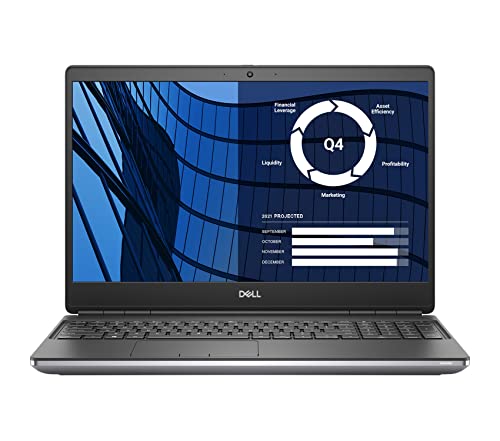
- 17.3-inch anti-glare FHD display
- Quadro RTX 3000 with 6GB VRAM
- 32GB RAM and 1TB SSD included
Best For: Creators who want a roomy workstation display and strong dedicated graphics.
Budget Creator Choice

- Ryzen 5 6600H with 6 cores
- 16GB DDR5 RAM and 512GB SSD
- Upgradeable design with dual SO-DIMM slots
Best For: Light editors and students who want value, upgrade room, and everyday performance.
Premium Workstation Pick
Dell Precision 7680 with RTX 2000 Ada

- RTX 2000 Ada 8GB suits editing and creative apps
- i7-13850HX plus 32GB DDR5 for heavy multitasking
- Lots of ports, plus support for up to 4 external monitors
Best For: Editors and creative pros who want a rugged mobile workstation
Portable Budget-Friendly Option
Dell 16" Ryzen 7 Touchscreen Laptop

- Ryzen 7 and 16GB DDR5 handle multitasking well
- 16-inch 16:10 touchscreen gives more room for timelines
- Integrated graphics and 256GB SSD keep it entry-level for editing
Best For: Portable creators doing lighter video editing and daily work
Best Power Upgrade
Dell Precision 7680 i9 Workstation

- Core i9-13950HX delivers the fastest CPU in this set
- 32GB DDR5 CAMM and 1TB SSD support large projects
- Strong port selection and workstation features
Best For: Editors who prioritize CPU power and pro workstation features
Large-Screen Value

- 17.3-inch Full HD anti-glare screen
- Ryzen 5, 8GB RAM, 512GB SSD
- Windows 11 Pro with Wi-Fi 6 and HDMI
Best For: Budget buyers who want a big-screen editing laptop
Portable Creator Pick

- Core i7-13620H with 16GB DDR5
- 1TB SSD for large project storage
- 16-inch WUXGA IPS display, 3.8 lbs
Best For: Creators who want a balanced, portable editing machine
Flexible Workhorse

- Ryzen 7 8845HS with Radeon 780M
- 16GB RAM and 1TB SSD
- 16-inch touch display with 2-in-1 design
Best For: Users who want a versatile editing and business laptop
Mobile Workstation Pick – Dell Precision 3581 15.6" RTX A500
If you want a laptop for video editing that focuses on workstation stability, the Dell Precision 3581 brings a 13th Gen Core i7-13800H, 32GB of DDR5 memory, and a 1TB SSD into a practical 15.6-inch FHD package. The dedicated RTX A500 GPU with 4GB of VRAM adds extra support for creative apps, while the non-touch 1080p display keeps the setup straightforward for editing, exports, and multitasking.
Best For: Creators who want a Windows workstation for editing, multitasking, and large project storage.
Pros:
- 14-core Core i7-13800H can handle heavy multitasking.
- 32GB DDR5 RAM and 1TB PCIe NVMe SSD support smooth workflows and fast storage.
- Dedicated Nvidia GeForce RTX A500 graphics is suited to photo and video editing.
- Includes integrated webcam, Wi-Fi, and Bluetooth for day-to-day use.
Cons:
- 15.6-inch 1920 x 1080 display may feel modest for timeline-heavy work.
- Renewed unit with a limited warranty instead of a full new-product warranty.
- Heavier workstation design may be less convenient for frequent travel.
This is a solid fit if your priority is performance and storage over portability. It looks especially appealing for editors who need a capable Windows workstation with dedicated graphics and ample memory.
Portable Mac Option – MacBook Air 13-inch M5
For laptops for video editing where portability matters most, the MacBook Air 13-inch with the M5 chip combines a thin 2.71-pound design with 16GB unified memory and a 512GB SSD. Its Liquid Retina display supports 1 billion colors, and Apple says the M5 improves performance and fluidity across apps, which makes it a good fit for lighter editing workflows and creative tasks on the move.
Best For: Editors who value a lightweight Mac with strong battery life and a sharp display.
Pros:
- M5 chip is built for fast app performance and creative workflows.
- 13.6-inch Liquid Retina display supports 1 billion colors.
- Up to 18 hours of battery life helps with long work sessions.
- Two Thunderbolt 4 ports plus support for up to two external displays.
Cons:
- 13.6-inch screen may feel small for detailed timeline editing.
- 512GB SSD may fill up quickly with large video libraries.
- No dedicated graphics card is listed in the supplied details.
This model makes sense if you want a quiet, highly portable editing machine with excellent battery life. It is especially attractive for creators who do much of their work in macOS and can keep heavier media storage elsewhere.
Large-Screen Editing Rig – Dell Precision 7750 17.3" RTX 3000
If you prefer a bigger canvas for laptops for video editing, the Dell Precision 7750 gives you a 17.3-inch FHD anti-glare display with 100% DCI-P3 coverage and 500 nits of brightness. Paired with a Core i7-10850H, 32GB of RAM, a 1TB SSD, and NVIDIA Quadro RTX 3000 graphics with 6GB of VRAM, it is built like a serious desktop replacement for creative work.
Best For: Editors who want a large 17.3-inch workstation with dedicated professional graphics.
Pros:
- 17.3-inch 1080p display offers more room for timelines and panels.
- 100% DCI-P3 and 500 nits support better-looking visuals.
- Quadro RTX 3000 with 6GB VRAM adds strong graphics capability.
- 32GB RAM and 1TB SSD are well suited to demanding projects.
Cons:
- Large 17.3-inch build is less portable than smaller laptops.
- 10th Gen Core i7 is older than newer CPU options in this roundup.
- Renewed device may not appeal if you want brand-new hardware.
This is the strongest choice here for people who care more about screen space than travel convenience. It is a practical fit for editing setups where a roomy display and workstation-class parts matter most.
Budget Creator Choice – NIMO 15.6" Ryzen 5 6600H
For shoppers comparing laptops for video editing on a tighter budget, the NIMO 15.6 AI Creator Laptop offers a Ryzen 5 6600H, 16GB of DDR5 RAM, and a 512GB SSD in a familiar 15.6-inch Full HD format. It does not include a dedicated GPU, but the integrated Radeon 660M is described as suitable for light photo editing and everyday creative work, making this a sensible entry-level option.
Best For: Budget-conscious users who need a capable everyday laptop for light editing and multitasking.
Pros:
- Ryzen 5 6600H provides 6 cores and 12 threads for solid daily performance.
- 16GB DDR5 memory and 512GB PCIe SSD support multitasking and storage needs.
- Radeon 660M handles light photo editing and smooth media playback.
- Upgrade room is available for more RAM and SSD capacity later.
Cons:
- No dedicated GPU is listed, so it is less suitable for heavier video work.
- 512GB storage may feel limited for large footage libraries.
- The supplied notes focus more on general productivity than advanced editing specs.
This is a reasonable starting point if your editing needs are modest and you want a balanced machine with upgrade potential. It stands out more for value and flexibility than for raw creative horsepower.
Premium Workstation Pick – Dell Precision 7680 with RTX 2000 Ada
If you want laptops for video editing that lean toward workstation reliability, this Dell Precision 7680 is built for demanding creative workloads. The RTX 2000 Ada 8GB GPU, 13th-gen Core i7 HX processor, and 32GB DDR5 memory give it the headroom for editing, multitasking, and other professional applications.
Best For: Editors, designers, and technical users who want a mobile workstation with strong expansion and connectivity.
Pros:
- NVIDIA RTX 2000 Ada 8GB is positioned for creative work, including video editing and content creation.
- Intel Core i7-13850HX, 32GB DDR5 CAMM, and 1TB SSD support fast multitasking and storage.
- 2x Thunderbolt 4, USB-C, HDMI, Ethernet, and Wi-Fi 6E make it easy to build a full editing setup.
- 16-inch FHD+ anti-glare display and support for up to 4 external monitors add workflow flexibility.
Cons:
- At 5.9 pounds, it is not the lightest option to carry every day.
- The 1920 x 1200 panel is practical, but not as sharp as higher-resolution creator displays.
- 45% NTSC coverage may be limiting for users who prioritize color-critical work.
This is a strong choice if you value workstation-grade performance, broad port selection, and durability over thin-and-light portability. It makes the most sense for editors who also need CAD, 3D, or other heavy professional software support.
Portable Budget-Friendly Option – Dell 16" Ryzen 7 Touchscreen Laptop
For buyers comparing laptops for video editing, this Dell 16-inch model focuses on strong everyday performance in a lighter package. The Ryzen 7 processor, 16GB DDR5 memory, and 16:10 FHD+ touchscreen make it a practical choice for editing timelines, managing media, and handling general creative work.
Best For: Creators who want a portable Windows laptop for lighter editing, multitasking, and everyday productivity.
Pros:
- Ryzen 7 250 with up to 5.1GHz and 16GB DDR5 is built for demanding multitasking.
- 16-inch 1920 x 1200 IPS touchscreen offers extra vertical workspace for editing and productivity.
- 256GB PCIe NVMe SSD gives fast boot times and local storage for project files.
- USB-C with DisplayPort 1.4, HDMI, Wi-Fi 6, and 65W fast charging improve everyday usability.
Cons:
- Integrated graphics are less capable than dedicated GPU options for heavier editing workloads.
- 256GB storage is modest if you keep large video libraries on the laptop.
- Windows 11 Home is less workstation-focused than Pro.
This model is best when portability and value matter more than high-end creative horsepower. It is a sensible fit for light-to-moderate editing, but power users will likely want more storage and graphics headroom.
Best Power Upgrade – Dell Precision 7680 i9 Workstation
If you need laptops for video editing with more raw processing muscle, this Precision 7680 is the strongest spec in the group. The Core i9-13950HX, 32GB DDR5 memory, and 1TB SSD are aimed at demanding professional workflows that need fast responsiveness and reliable storage.
Best For: Professional editors and creators who want maximum CPU power in a workstation-style laptop.
Pros:
- Intel Core i9-13950HX up to 5.5GHz is the fastest processor option here.
- 32GB DDR5 CAMM and 1TB PCIe NVMe SSD support smooth multitasking and large projects.
- 16-inch FHD+ anti-glare display and webcam privacy shutter fit professional workflows.
- Two Thunderbolt 4 ports, USB-C, HDMI, Ethernet, and Wi-Fi 6E provide broad connectivity.
Cons:
- Integrated Intel UHD Graphics may be a drawback for users who want dedicated GPU acceleration.
- Like other Precision 7680 models, it is a heavier workstation rather than a travel-first laptop.
- The display is practical, but not described as high-refresh or color-calibrated for creator specialists.
This version makes sense if processor speed and workstation stability are your top priorities. It is a better fit for CPU-heavy editing and mixed professional workloads than for users seeking a dedicated graphics boost.
Large-Screen Value – HP 17 17.3-inch FHD Laptop
If you want laptops for video editing with a big workspace and straightforward everyday performance, this HP 17 is built around its 17.3-inch Full HD anti-glare display. The Ryzen 5 7520U, 8GB RAM, and 512GB SSD should handle lighter editing timelines, multitasking, and file management well, while the larger screen makes it easier to scrub footage and review detail.
Best For: Budget-minded buyers who want a large screen for basic video editing, school work, and general productivity.
Pros:
- 17.3-inch 1080p anti-glare display gives you plenty of room for timelines and preview windows.
- Ryzen 5 processor and SSD storage help with responsive everyday editing and fast boot times.
- Windows 11 Pro, Wi-Fi 6, Bluetooth 5.3, and HDMI add practical work-ready features.
- Includes a full-size keyboard with numeric keypad plus bundled accessories for setup.
Cons:
- Integrated graphics are better suited to lighter editing than demanding effects work.
- 8GB memory may feel limited for heavier multi-layer projects.
- At 4.6 pounds, it is less portable than smaller laptops.
This HP model makes the most sense if screen size matters more than advanced creator horsepower. It is a practical large-display option for casual editing, streaming, and office-style tasks.
Portable Creator Pick – Lenovo 16 WUXGA i7 Laptop
Among laptops for video editing, this Lenovo 16 stands out for its stronger processor, roomy 16:10 display, and generous storage. The Intel Core i7-13620H, 16GB DDR5 RAM, and 1TB SSD give it a much better foundation for juggling editing software, media files, and browser tabs, while the 16-inch WUXGA IPS panel offers extra vertical space for timelines and tools.
Best For: Creators and students who want a more balanced laptop for editing, multitasking, and everyday portability.
Pros:
- Core i7-13620H offers strong multi-core performance for demanding productivity and content creation.
- 16GB DDR5 RAM and 1TB SSD provide a solid mix of speed and storage for media projects.
- 16-inch WUXGA IPS display with 16:10 aspect ratio is helpful for editing workflows.
- Lightweight design at 3.8 pounds makes it easier to carry than many larger laptops.
Cons:
- Integrated graphics limit its appeal for heavy effects work or GPU-intensive rendering.
- 45% NTSC color gamut is modest for color-critical editing.
- No touchscreen or 2-in-1 flexibility.
This is a sensible all-around choice if you want more editing headroom without moving into a heavier workstation class. It offers better processing strength than budget options, but its display and graphics still fit mainstream creator use best.
Flexible Workhorse – Lenovo IdeaPad 2-in-1 Ryzen 7
If you like laptops for video editing that can also double as a flexible daily driver, this Lenovo IdeaPad 2-in-1 brings a strong mix of performance and features. The Ryzen 7 8845HS, 16GB DDR5 RAM, and 1TB SSD are well-suited to multitasking and media-heavy workflows, while the 16-inch touch display gives you a roomy 16:10 canvas for editing and review.
Best For: Users who want a versatile 2-in-1 for editing, note-taking, and general business use.
Pros:
- Ryzen 7 8845HS and Radeon 780M graphics offer strong everyday creator performance.
- 16GB RAM and 1TB SSD support smooth multitasking and plenty of project storage.
- 2-in-1 touch design adds flexibility for viewing, navigation, and mixed-use workflows.
- Windows 11 Pro, fingerprint reader, backlit keyboard, and privacy shutter improve convenience and security.
Cons:
- At 6 pounds, it is the heaviest of the three options here.
- Integrated graphics are not aimed at high-end GPU editing workloads.
- Battery life and display color coverage are not specified in the provided notes.
This Lenovo is the most feature-rich pick for buyers who want editing capability plus versatility. It is a good fit when your laptop needs to handle work, school, and content tasks in one machine.
How We Picked These Laptops for Video Editing
We prioritized models with strong multicore processors, at least 16GB of memory, fast SSD storage, and enough graphics capability to support editing, effects, and smoother playback. We also looked at display size and resolution, since a sharper panel can improve color-critical work and timeline visibility.
We gave extra weight to workstation-class systems and creator-focused laptops that are better suited to long editing sessions than basic office machines.
Quick Comparison: What Matters Most
If you mainly edit short-form social content, a capable midrange laptop may be enough. For heavier projects, a workstation with a high-power CPU, dedicated GPU, and 32GB RAM will usually offer a much better experience. Larger 16-inch and 17-inch screens can also help when you want more room for your tools and timeline.
Key Buying Factors for Laptops for Video Editing
Processor and Thermals
Video editing is demanding on the CPU, especially for decoding, effects, and exports. Look for H-series or HX-series processors when possible, since they are designed for higher sustained performance. Good cooling matters too, because thermal limits can reduce speed during long renders.
Graphics and Memory
A dedicated GPU helps with playback acceleration, effects, and GPU-supported export workflows. For memory, 16GB is the practical minimum for many creators, while 32GB is a smarter choice if you regularly work with 4K footage, multiple apps, or larger timelines.
Storage and Display
Fast SSD storage improves project loading and cache performance, and 1TB is a useful target if you keep active media locally. For the display, a larger FHD or FHD+ panel can improve usability, but creators who care about detail should also consider brightness, color coverage, and touch support only if it fits their workflow.
Who Should Buy Which Laptops for Video Editing?
If you are a student or casual editor, a lighter system with 16GB RAM and a modern processor can be a good value. If you edit professionally, choose a workstation with 32GB RAM, a strong dedicated GPU, and a higher-wattage CPU. Mac users who prefer portability may lean toward the MacBook Air, while Windows creators who want more upgrade-friendly, performance-first hardware should focus on the Precision and creator-focused Lenovo or HP options.
In short, the best Laptops for Video Editing are the ones that match your project size, software, and mobility needs—not just the highest specs on paper.