If you want cleaner gameplay recordings, smoother live streams, or a simple way to bring a camera into your workflow, a 4K capture card can make the setup much easier.
The best option depends on your source device, resolution goals, passthrough needs, and whether you care more about portability, internal installation, or ultra-low latency.
Best 10 4K Capture Card Picks for 2026
Elite HDMI 2.1 Choice
Elgato 4K X for 4K144 gameplay

- Captures up to 4K144 and 1080p240.
- HDMI 2.1 with VRR passthrough.
- Ultra-low latency USB 3.2 Gen 2 support.
Best For: Creators with newer consoles or PCs who want premium external capture.
Best Value Plug-and-Play

- 4K60 capture and passthrough.
- 1080p120 support for higher-frame-rate input.
- Plug-and-play across many operating systems.
Best For: Budget-minded users who want simple setup and wide device support.
Internal PCIe Pick
Elgato 4K Pro for dual-PC setups

- 8K60 passthrough with 4K60 HDR10 capture.
- HDMI 2.1 and up to 1080p240 recording.
- Built for PCIe-based dual-PC streaming setups.
Best For: Desktop streamers who want an internal capture solution.
Budget Loop-Out Option
XIIXMASK 4K HDMI loop-out capture

- 4K 60Hz input with loop-out monitoring.
- 1080p60 or 2K30 USB capture output.
- Mic-in support plus broad app compatibility.
Best For: Users who want affordable loop-out capture with commentary support.
Pro Webcam Upgrade

- USB 3.0 camera-to-PC/Mac capture
- 1080p60 and up to 4K60 with compatible gear
- Ultra-low latency for synced audio and video
Best For: Creators using a camera as a webcam or field monitor
High-Refresh Console Capture
AVerMedia Live Gamer Extreme 3

- Records 4K30 gameplay with up to 1080p240 support
- VRR pass-through at 1440p120 or 1080p120
- Plug-and-play setup with included cables
Best For: Gamers who want smooth high-refresh passthrough and easy streaming
Budget-Friendly Low-Latency Capture

- 1080p60 capture over USB-C 3.0
- 4K60, 2K120, and 1080p240 passthrough
- 3.5mm mic input and headset jack
Best For: Streamers who want flexible passthrough and built-in audio input
Budget-Friendly Portable 4K Capture Card
Guermok USB-C/USB 3.0 HDMI Capture
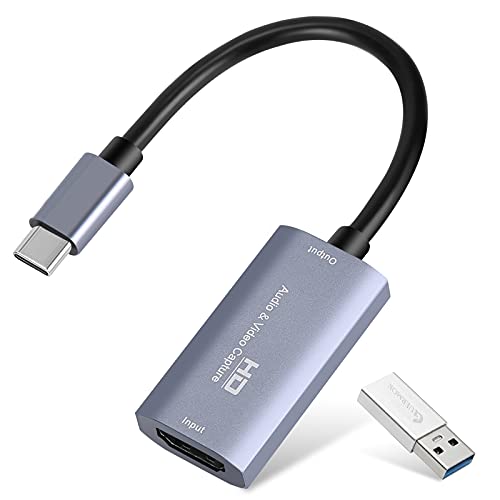
- 4K@30Hz input with 1080P 60FPS capture
- Plug-and-play with no external power
- Works with OBS, Windows, Mac, Linux, Android, and more
Best For: portable everyday streaming and recording
Best All-Rounder with Mic-In
Acer USB 3.0 HDMI Capture Card

- 4K input with 1080P@60Hz output
- Built-in mic-in for live commentary
- Plug-and-play with wide app and device support
Best For: streamers and teachers who want easy voice capture
Simple Low-Latency Pick
Dcyfol 4K HDMI USB 3.0 Capture
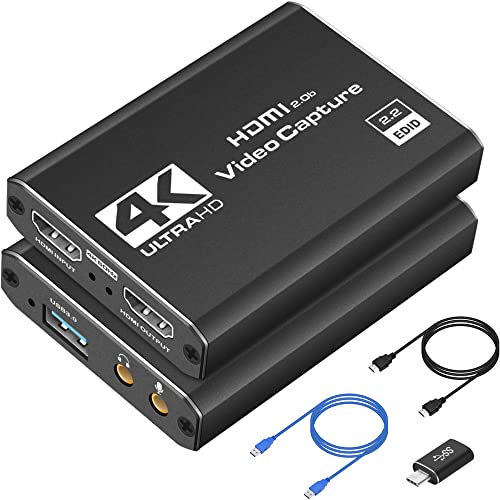
- 1080P 60FPS capture with HDMI loop-out
- Plug-and-play with OBS, Streamlabs, and XSplit
- Compact design for travel and quick setups
Best For: beginners who want simple low-latency capture
Elite HDMI 2.1 Choice – Elgato 4K X for 4K144 gameplay
If you want a 4k capture card that keeps up with newer consoles and high-refresh PC play, the Elgato 4K X is built for exactly that job. It supports 4K144 capture, HDMI 2.1 in/out, VRR passthrough, and ultra-low latency over USB 3.2 Gen 2, making it a strong pick for smooth gameplay recording and live streaming.
Best For: Streamers and gamers who want HDMI 2.1 features, VRR passthrough, and very high refresh-rate support.
Pros:
- Captures up to 4K144 with support for 1080p240 recording.
- HDMI 2.1 in/out with VRR passthrough for smoother gameplay.
- Ultra-low latency via USB 3.2 Gen 2 for responsive streaming.
- Works with OBS, Streamlabs, Twitch Studio, Restream, Zoom, and Teams.
Cons:
- Requires a USB 3.2 Gen 2 port for best results.
- Best feature set is aimed at newer hardware and higher-end setups.
The 4K X stands out when you need a modern external capture card with broad app support and premium passthrough features. It is a practical choice for creators who want high frame rates without giving up compatibility.
Best Value Plug-and-Play – XIIXMASK 4K60 capture card
This 4k capture card is a practical all-rounder if you want 4K60 passthrough and easy setup without extra software or external power. The XIIXMASK model supports 4K60 capture, 1080p120 recording, and plug-and-play operation across Windows, macOS, Linux, Android, and iPadOS 17+, which makes it flexible for streaming, meetings, and device mirroring.
Best For: Users who want a simple, broadly compatible capture card for streaming and general recording.
Pros:
- Supports 4K60 capture and 4K60 passthrough.
- Handles up to 1080p120 input for higher-frame-rate content.
- Plug-and-play with no drivers or external power required.
- Includes 3.5mm audio input and mic output ports.
Cons:
- Capture tops out at 4K rather than higher-end 4K144 class specs.
- Windows is listed as the platform in the details, even though broad OS support is also noted.
For buyers who value convenience and compatibility over premium performance tiers, this card covers the basics well. It is a straightforward option for streamers, educators, and casual creators who need reliable 4K60 passthrough.
Internal PCIe Pick – Elgato 4K Pro for dual-PC setups
If you are shopping for a 4k capture card for a desktop streaming build, the Elgato 4K Pro is an internal PCIe option with serious passthrough capability. It supports 8K60 passthrough, 4K60 HDR10 capture, HDMI 2.1, VRR support, and up to 1080p240 recording, making it well suited to higher-end gaming and dual-PC streaming setups.
Best For: PC streamers who want an internal card with HDMI 2.1 passthrough and dual-PC compatibility.
Pros:
- 8K60 passthrough and 4K60 HDR10 capture.
- HDMI 2.1 with support for up to 1080p240 recording.
- VRR passthrough and ultra-low latency for smoother play.
- Compatible with dual-PC setups.
Cons:
- Requires a PCIe slot, so it is not for laptop or portable use.
- Windows 10 is the listed operating system requirement.
This is the right pick when you want an internal solution with modern passthrough features and desktop-class integration. It makes the most sense for creators building a dedicated streaming PC or upgrading a fixed gaming rig.
Budget Loop-Out Option – XIIXMASK 4K HDMI loop-out capture
For a lower-cost 4k capture card setup focused on loop-out monitoring, the XIIXMASK USB 3.0 model delivers 4K 60Hz HDMI input and loop-out with 1080p60 or 2K30 USB output. It is designed for straightforward capture, real-time preview, and commentary, with mic-in support and broad software compatibility for common streaming and recording tasks.
Best For: Streamers who want loop-out monitoring, mic input, and basic 1080p capture.
Pros:
- 4K 60Hz HDMI input and loop-out for real-time monitoring.
- Supports 1080p60 and 2K30 USB output.
- Mic-in support for adding commentary or external audio.
- Works with OBS, VLC, PotPlayer, Zoom, and more.
Cons:
- USB capture output is limited to 1080p60 or 2K30, not 4K capture.
- OBS audio setup may require a restart after configuration.
This card is best viewed as a practical streaming tool rather than a premium capture device. If loop-out, commentary support, and broad compatibility matter more than capturing in full 4K, it offers a solid budget-friendly path.
Pro Webcam Upgrade – Elgato Cam Link 4K
If you want a 4k capture card that turns a DSLR, mirrorless camera, camcorder, or action cam into a cleaner camera source, the Elgato Cam Link 4K is built for that exact job. It connects over USB 3.0, works with OBS, Zoom, and Discord, and keeps video and audio in sync with ultra-low latency.
Best For: Creators who want to use a camera as a high-quality webcam for streaming, calls, or field monitoring on iPad.
Pros:
- Supports 1080p60 capture and up to 4K60 with a compatible camera and the latest model
- Ultra-low latency helps keep audio and video aligned
- Works with DSLR, mirrorless, camcorder, action cam, and even iPhone sources
- iPad USB-C monitoring support adds flexibility for on-location use
Cons:
- 4K60 capture depends on having a compatible camera and the latest Cam Link 4K model
- It is primarily a camera-to-USB capture device rather than a console-focused pass-through unit
This is a strong pick if your priority is polished camera input instead of gaming features. The small footprint, broad camera support, and low-latency performance make it a practical upgrade for content creators.
High-Refresh Console Capture – AVerMedia Live Gamer Extreme 3
This 4k capture card is aimed at gamers who want solid recording quality without giving up smooth gameplay on the pass-through display. The AVerMedia Live Gamer Extreme 3 captures 4K30, supports high refresh rates up to 1080p240, and includes VRR pass-through at 1440p120 or 1080p120 for compatible setups.
Best For: Console and PC gamers who care most about high-refresh pass-through and straightforward streaming setup.
Pros:
- Captures gameplay at 4K30 while supporting high refresh passthrough up to 1080p240
- VRR pass-through at 1440p120 or 1080p120 helps maintain smooth gameplay
- Plug-and-play design keeps setup simple
- Includes HDMI cable, USB Type-C to Type-A cable, and quick start guide
Cons:
- Capture resolution tops out at 4K30 rather than 4K60
- Requires a USB 3.2 Gen 1 Type-C port and a Windows 11 or Mac system
If your priority is competitive gameplay feel while streaming, this card stands out for its high-refresh pass-through and VRR support. It is a balanced choice for modern console or PC capture setups that do not need 4K60 recording.
Budget-Friendly Low-Latency Capture – NearStream CCD10
The NearStream CCD10 is a practical 4k capture card option if you want strong pass-through specs and simple device support. It captures up to 1080p60 over USB-C 3.0, while its HDMI loop-out supports 4K60, 2K120, or 1080p240 for smooth gameplay on your main display.
Best For: Streamers and gamers who want low-latency capture, flexible pass-through, and mic input in one device.
Pros:
- 4K60, 2K120, and 1080p240 pass-through options give you flexible display support
- 1080p60 capture over USB-C 3.0 delivers low-latency streaming and recording
- Includes a 3.5mm mic input and headset jack for audio routing
- Works with Windows, macOS, and Linux, plus consoles and cameras
Cons:
- Capture resolution is limited to 1080p rather than 4K capture
- Some 4K30 Windows capture modes have specific system requirements
This model makes sense if you value pass-through flexibility and audio input more than 4K recording itself. Its broad compatibility and low-latency performance make it a versatile choice for mixed streaming setups.
Budget-Friendly Portable 4K Capture Card – Guermok USB-C/USB 3.0 HDMI Capture
If you want a practical 4k capture card for streaming, recording, or online meetings, this Guermok model keeps setup simple while covering the basics well. It supports up to 4K@30Hz input and captures at 1080P 60FPS or 2K 30FPS, making it a solid fit for everyday gameplay, teaching, and video calls without needing extra drivers.
Best For: Users who want a compact, plug-and-play capture card for casual streaming, recording, and wide device compatibility.
Pros:
- USB 3.0 design supports 1080P 60FPS capture and 4K@30Hz input.
- Plug-and-play setup with no external power supply required.
- Broad compatibility with Windows, Mac OS, Linux, Android, OBS, and many consoles/devices.
- Aluminum alloy body helps with heat dissipation and portability.
Cons:
- Capture use only; it is not meant for direct screen casting to a monitor or TV.
- USB-C to HDMI video input is not supported and may cause signal loss.
- Requires capture software, and OBS audio setup may need a restart after changes.
Overall, this is a straightforward option if you value convenience and broad device support more than premium capture features. It is best viewed as a travel-friendly, low-friction tool for getting HDMI sources into your computer reliably.
Best All-Rounder with Mic-In – Acer USB 3.0 HDMI Capture Card
This acer 4k capture card is built for streamers who want easy setup plus a few creator-friendly extras. It accepts 4K input, outputs smooth 1080P@60Hz, and uses YUY2 for richer color than MJPEG, while the built-in mic-in makes live commentary and voice recording more convenient.
Best For: Gamers, creators, and teachers who want a simple capture card with mic-in and strong device compatibility.
Pros:
- 4K input with 1080P@60Hz output and low-latency capture.
- Mic-in support lets you connect a headset or mic directly for commentary.
- Plug-and-play setup with no extra drivers or external power needed.
- Works with OBS, XSplit, VLC, Windows, macOS, Linux, and many consoles/devices.
Cons:
- Capture resolution tops out at 1080P/720P in the listed specs.
- Requires a USB 3.0 port to run at USB 3.0 speeds.
- USB 3.0 Type A and Type C are supported, but setup still depends on compatible host hardware.
For buyers who want a dependable capture device with a direct mic input, this is one of the more practical choices in the group. It keeps the workflow simple while adding a useful edge for live narration and content creation.
Simple Low-Latency Pick – Dcyfol 4K HDMI USB 3.0 Capture
If you need a no-fuss 4k capture card for gaming or recording, this Dcyfol model focuses on the essentials. It captures at 1080P 60FPS, supports HDMI loop-out, and is designed for low-latency performance, making it a straightforward option for streaming from consoles, PCs, or cameras.
Best For: Beginners and mobile creators who want a compact, plug-and-play HDMI capture card for real-time gameplay or recording.
Pros:
- 1080P 60FPS capture with 4K HDMI capture card positioning for sharp input support.
- HDMI loop-out helps you play while your audience watches in real time.
- Plug-and-play USB setup works with OBS, Streamlabs, and XSplit.
- Compact and lightweight for travel, events, or changing setups.
Cons:
- Listed capture resolution is 1080p rather than 4K output.
- Compatible with Windows and macOS only in the supplied details.
- Built-in microphone is noted in the specs, but the product focus remains on basic capture.
This is a good fit if you want something portable and easy to get running without extra software or power adapters. It prioritizes low-latency capture and broad gaming-console support over advanced features.
How We Picked the Best 4K Capture Card
For this roundup, we focused on capture cards that offer a practical mix of image quality, passthrough support, compatibility, and real-world ease of use. We prioritized devices that make sense for modern consoles, PCs, and cameras, while also considering latency, resolution ceilings, and connection type.
Since not every 4K Capture Card serves the same buyer, we looked at whether a model is better suited for streaming, recording, content creation, or console passthrough. That matters because a card with strong capture specs may still be the wrong choice if it lacks the inputs, software support, or throughput your setup requires.
Quick Comparison
Think of these options in three broad categories: high-end external and internal cards for serious gamers and creators, midrange cards for dependable 4K60 workflows, and budget-friendly USB capture devices for simpler streaming or camera use. If you need HDMI 2.1 features like VRR, higher-refresh passthrough, or 4K60 HDR capture, you will usually be looking at the premium tier.
If your priority is convenience, plug-and-play USB models are easier to deploy and travel with. If you want the most stable desktop setup and plan to stream from a dedicated PC, an internal card can be a better long-term fit. For DSLR and mirrorless camera users, a camera-focused option can be the better buy even if it is not the most powerful gaming card.
Key Buying Factors for a 4K Capture Card
Capture Resolution Vs. Passthrough
Do not assume a card that supports 4K passthrough also records 4K. Many models pass a high-resolution signal to your monitor while capturing at a lower resolution such as 1080p60. Match the recording spec to how you actually create content.
Frame Rate and Refresh Rate Support
For fast-paced gaming, frame rate matters as much as resolution. A strong 4K Capture Card should clearly state whether it supports 4K60 capture, 1440p120, or high-refresh passthrough such as 120Hz or beyond. Console gamers should verify support for VRR, HDR, and HDMI 2.1 if those features matter to their setup.
Connection Type and Compatibility
USB external cards are simpler and more portable, while internal PCIe cards can offer a cleaner permanent installation. Check support for Windows, macOS, OBS, and any camera or console device you plan to use. USB-C, USB-A, and the required USB generation also affect stability and bandwidth.
Latency and Software Workflow
Low latency helps when you are monitoring a game or camera feed in real time. Also consider how well the card integrates with OBS or your preferred recording app, since driver quality and software support can affect day-to-day usability more than headline specs.
Who Should Buy Which 4K Capture Card?
If you are a competitive gamer with a high-end console or PC, choose a premium card with HDMI 2.1, high-refresh passthrough, and strong 4K capture performance. If you are a streamer who wants reliable 4K60 output without overcomplicating the setup, a midrange USB model is often the best value.
If you are a camera creator, pick a model designed for DSLR or camcorder capture rather than a gaming-first unit. And if you just need an affordable way to record or stream at 1080p with pass-through, a simpler USB capture card can be the smarter purchase than paying for features you will not use.