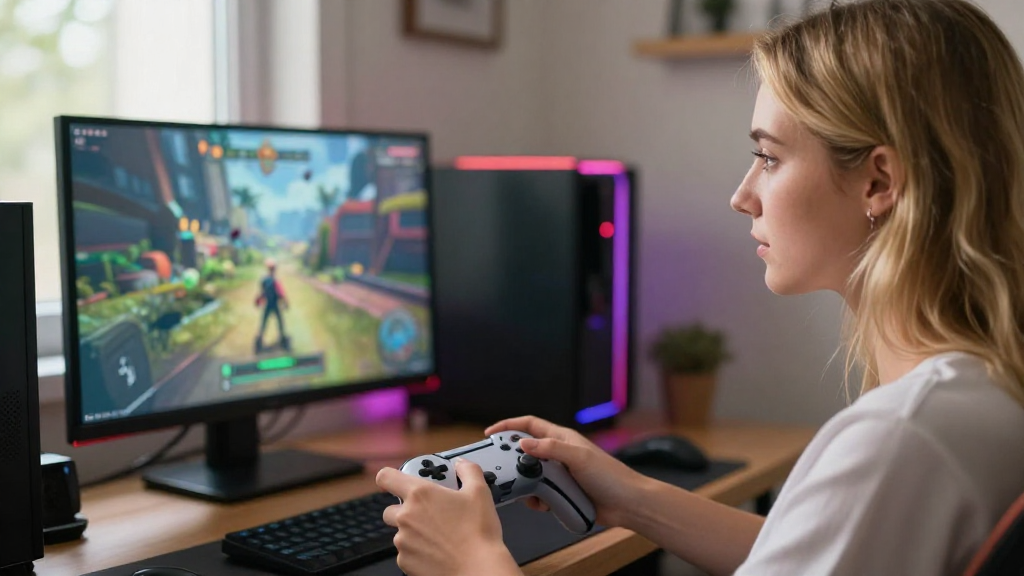
Do games train attention?
With the increasing popularity of video games, a frequently debated topic in psychology and education circles is whether these games can significantly enhance cognitive functions, particularly attention.
What Is Attention and Why Is It Important?
Attention is the cognitive process that allows us to focus on specific stimuli while ignoring others.
The ability to maintain attention is crucial for:
- Learning
- Problem-solving
- Everyday functioning
Improving attention can lead to better performance in academic and professional settings, as well as enhance daily life experiences.
Do Games Train Attention?
So, do games train attention? Let’s delve into the research that tackles this question.
Studies suggest that playing video games can lead to improved attention spans and cognitive skills.
-
Action Games Improve Visual Attention:
– Action games require players to track multiple objects.
– Gamers often demonstrate superior visual attention compared to non-gamers. -
Strategy Games Foster Planning and Focus:
– Strategy-based games, such as chess or real-time strategy games, promote long-term planning.
– Players learn to anticipate opponent moves, enhancing their focus and strategic thinking. -
Puzzle Games Engage Problem-Solving Skills:
– Puzzle games train attention by forcing players to concentrate on intricate details.
– Examples include games like Sudoku or Tetris, where every move counts.
What Types of Games Are More Effective?
Which genres are best for attention training?
While all games can have some level of cognitive benefit, certain genres have been found to be particularly effective:
- Action Games: Improve quick decision-making and visual attention.
- Role-Playing Games (RPGs): Enhance focus through immersive storytelling and character management.
- Simulation Games: Encourage multitasking and spatial awareness.
By engaging with these genres, players can train attention effectively while having fun.
What Does the Research Say?
Multiple studies provide insight into how games train attention. For instance:
- A 2014 study in the journal Consciousness and Cognition found that playing action video games improved attentional control.
- Research published in Nature in 2008 demonstrated that gamers can better track multiple moving objects.
These studies indicate a positive correlation between gaming and attention enhancement, suggesting that the right games can be particularly effective training tools.
Are There Different Types of Attention?
Yes, attention is not a monolithic concept.
There are several types of attention:
- Focused Attention: The ability to concentrate on one task while ignoring distractions.
- Sustained Attention: The capacity to maintain attention over a prolonged period.
- Divided Attention: The ability to multitask efficiently.
Different games can enhance various types of attention, depending on gameplay mechanics and objectives.
Can Games Have Negative Effects on Attention?
While the question “do games train attention” is primarily associated with positive outcomes, it’s essential to consider potential drawbacks.
- Overstimulation: Fast-paced games may lead to reduced attention spans when confronting slower-paced tasks.
- Addiction: Excessive gaming can lead to compulsive behavior, adversely affecting academic and personal responsibilities.
To maximize the benefits of gaming while minimizing potential negative impacts, moderation is key.
How To Choose Games That Train Attention?
What should you look for in games to improve attention?
When selecting games aimed at enhancing attention, consider the following:
- Engagement Level: Look for games that challenge your thinking and require focus.
- Complexity: Choose games that offer progressive difficulty to continually push your limits.
- Feedback Mechanisms: Games that offer immediate feedback can help you adjust and improve your attention skills.
By focusing on these features, you can select games that genuinely train attention and cognitive abilities.
How Much Gaming Is Too Much?
Is there a recommended time for gaming?
The American Academy of Pediatrics advises that children aged 6 years and older should have no more than one to two hours of recreational screen time each day.
This principle can also be applied to adults.
Balanced gaming involves:
- Setting limits on playing time.
- Ensuring a mix of activities that includes physical exercise and social interaction.
- Taking breaks during extended gaming sessions to prevent mental fatigue.
Conclusion: Do Games Train Attention?
The research suggests that do games train attention is indeed a valid query.
While different types of games provide various benefits, action games, strategic games, and puzzles appear particularly effective for sharpening focus and cognitive flexibility.
To maximize the cognitive benefits of gaming:
- Choose the right genres.
- Moderate gaming time.
- Balance gaming with other healthy activities.
In conclusion, when approached thoughtfully, gaming can be a powerful tool for enhancing attention and cognitive skills in a fun and engaging way.
So, are you ready to pick up that controller and start training your attention?