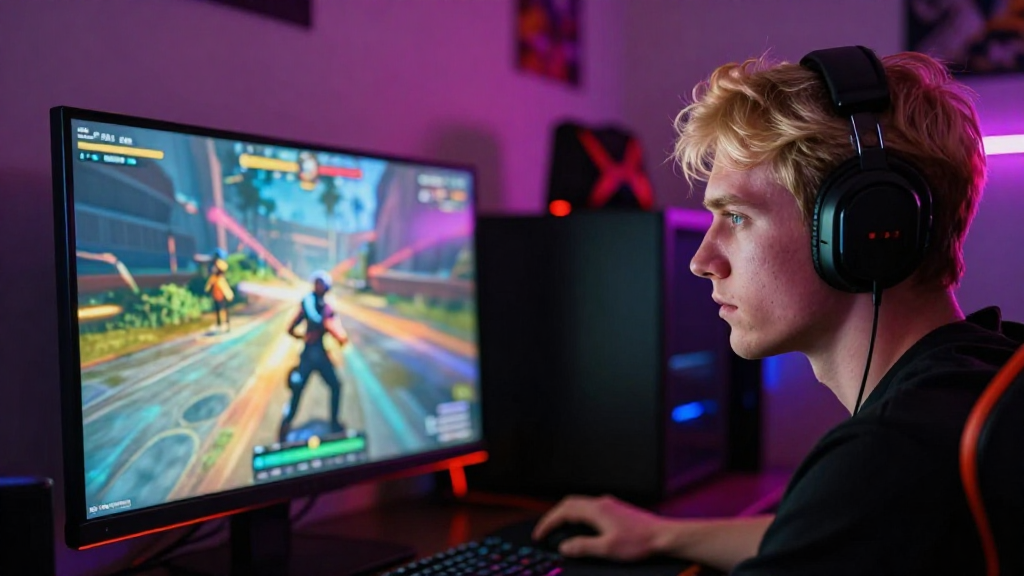
Does gaming and situational awareness go hand-in-hand?
In recent years, there has been considerable interest in how video games impact cognitive skills. One popular debate revolves around whether gaming enhances players’ situational awareness. This article delves into how engaging in video games can lead to improvements in situational awareness, what it is, and how it benefits players in real life.
What is Situational Awareness?
Situational awareness refers to the ability to perceive, understand, and predict elements within an environment. It encompasses:
- Perception: Recognizing various factors in the surroundings, including people, objects, and events.
- Comprehension: Understanding the significance of those factors and how they interact.
- Projection: Anticipating future actions based on the current environment.
In everyday life, situational awareness is crucial. It helps individuals make informed decisions and respond effectively to changing circumstances. So, how does gaming play a role in developing this essential skill?
How Does Gaming Enhance Situational Awareness?
Can Video Games Improve Perception Skills?
Gaming and situational awareness are closely linked through the enhancement of perception skills. Many games require players to scan their environment constantly:
- First-Person Shooters (FPS) like Call of Duty and Overwatch
- Engage players in environments where vigilance is vital.
-
Require players to monitor both teammates and opponents simultaneously.
-
Strategy Games such as StarCraft and Civilization
- Demand attention to multiple units and the development of long-term strategies.
These types of gaming experiences teach players to identify critical details quickly, a fundamental aspect of situational awareness.
Do Gamers Develop Improved Comprehension Skills?
Comprehension is another essential component of situational awareness, and gaming can significantly enhance this skill:
- Complex Contexts: Video games often simulate intricate scenarios.
-
Players must interpret various signals to make strategic decisions.
-
Narrative Elements: Many games have rich storylines that require players to grasp the motivations of multiple characters.
- This engagement fosters an understanding of cause-and-effect relationships.
As players navigate these complexities, they enhance their ability to comprehend dynamic environments.
Is Projection Enhanced Through Gaming?
Projection involves anticipating potential future scenarios based on current information. Here’s how gaming contributes:
- Real-Time Decision Making: Many games demand quick thinking.
-
Gamers learn to think several steps ahead while formulating strategies.
-
Adaptive Gameplay: Players often encounter unexpected challenges.
- This experience teaches them to adapt to new information and adjust strategies accordingly.
As a result, gamers become proficient at making predictions based on available data, a key part of situational awareness.
Do Different Genres Offer Varying Benefits?
What Role Do Action Games Play?
Action games are often highlighted in discussions about gaming and situational awareness because they require constant attention and quick reflexes. Engaging with these games improves:
- Hand-eye coordination
- Reaction times
- Real-time processing of environmental changes
How About Strategy and Role-Playing Games?
While action games are beneficial, strategy and role-playing games (RPGs) offer their own unique advantages.
-
Strategy Games:
– Encourage planning and resource management.
– Players develop a broader situational awareness by controlling multiple units and understanding different gameplay dynamics. -
RPGs:
– Often require players to make sense of large narrative worlds.
– Heighten comprehension and empathy as players engage with diverse characters, immersing themselves within the virtual landscape.
Are There Real-Life Applications of Skills Learned in Gaming?
How Can Gaming Impact Workplace Situational Awareness?
The benefits of gaming and situational awareness extend beyond leisure activities. Many industries value employees with strong situational awareness trained through gaming. Key applications include:
-
Emergency Services: Firefighters, police officers, and paramedics execute tasks requiring heightened situational awareness. Training with simulation games can enhance decision-making skills in high-stress environments.
-
Military Training: The military often incorporates gaming technology to prepare personnel for real-life scenarios, emphasizing situational awareness.
-
Healthcare: Surgeons and medical professionals benefit from simulation-based training that fosters awareness during critical procedures.
Can Gaming Teach Valuable Lessons for Daily Life?
In daily scenarios, enhanced situational awareness can lead to:
- Improved personal safety: Awareness of one’s surroundings can help avoid potential dangers.
- Better navigation: Whether in crowded places or while driving, being aware of others can help prevent accidents.
- Increased productivity: Understanding team dynamics at work can lead to more effective collaboration.
What Are Some Potential Downsides?
Can Gaming Have Negative Effects on Awareness?
While gaming can improve situational awareness, it’s important to acknowledge potential downsides:
- Overstimulation: Continuous exposure to fast-paced gaming can lead to sensory overload, detracting from awareness.
- Detachment from Reality: Excessive gaming might foster a disconnection from the physical environment, hindering real-life interaction and awareness.
How Can Balance Be Achieved?
Incorporating moderation and mindful gaming can help maintain the benefits of engaging with video games while minimizing potential downsides:
- Set time limits for gaming sessions.
- Take breaks between gameplay to refresh focus and avoid overstimulation.
Conclusion: Is Gaming Beneficial for Developing Situational Awareness?
To answer the question: yes, gaming can enhance situational awareness. The skills attained through gaming and situational awareness development translate into real-world applications that enhance both professional and personal experiences.
As gaming technology continues to evolve, the potential for even greater cognitive enhancements will likely follow. By balancing gaming with mindful practice, players can reap the myriad benefits while honing their situational awareness skills for thriving in complex environments.
In summary, engaging in video games proves not just as a form of entertainment but as a valuable tool in improving awareness, perception, comprehension, and projection capabilities essential for navigating both the digital and physical realms.