A compact microphone preamp can give a low-output dynamic or ribbon microphone the extra gain it needs without requiring a full-size studio rack. The best models add clean signal strength while fitting easily into a mobile, desktop, or live-recording setup.
This roundup compares 10 compact options, including inline boosters, camera and phone interfaces, rechargeable units, and preamps with phantom power. Consider your microphone type, available power, gain requirements, and connection format before choosing.
Best 10 Compact Microphone Preamps Picks for 2026
Inline Gain Booster
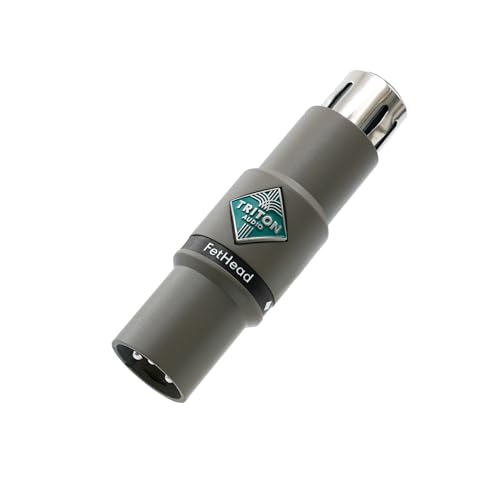
- Low-noise Class-A JFET amplifier
- Shielded compact enclosure
- Double single-ended topology
Best For: Compact inline signal boosting with a low-noise design
Mobile Recording Interface
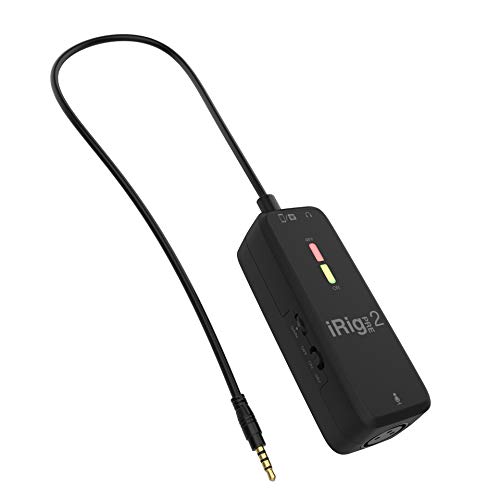
- XLR input with true +48V phantom power
- Works with phones, tablets, and cameras
- Direct headphone monitoring
Best For: Portable recording, streaming, and camera workflows
Clean Gain Adapter
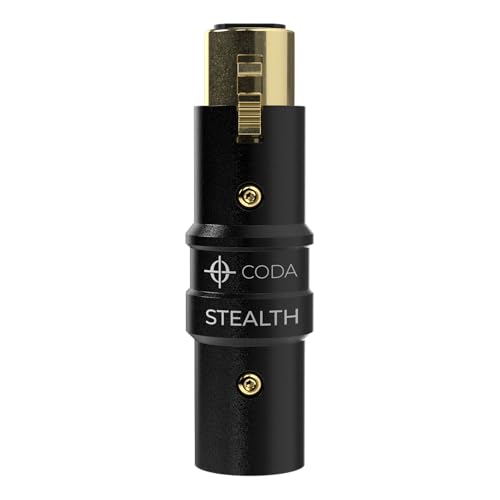
- Adds 28 dB of clean gain
- For dynamic and ribbon microphones
- Compact aluminum enclosure
Best For: Low-noise inline boosting for dynamic and ribbon mics
Studio Dynamic Mic Booster

- Provides 29 dB of clean gain
- Metal casing with interference shielding
- Requires 48V phantom power
Best For: Boosting low-output dynamic and ribbon microphones
Best Compact Gain Booster
YWBL-WH High Gain Microphone Amplifier

- ALC automatic control for weak signals
- 3.5mm headphone and smartphone connectivity
- Compact 65 x 53 x 25mm aluminum-alloy design
Best For: Portable headphone listening and smartphone recording
Best Plug-In Booster
Borenbuir DM3 In-Line Mic Preamp
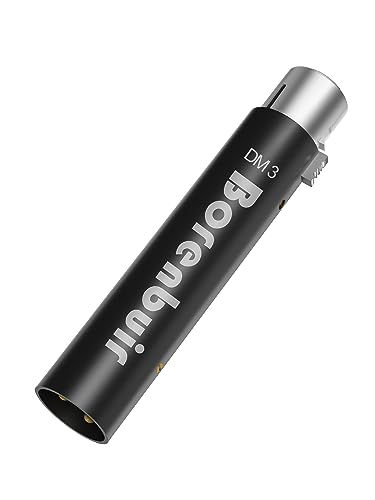
- Provides 28dB of clean gain
- Works with dynamic and passive ribbon mics
- Requires 48V phantom power; XLR connection
Best For: Quiet dynamic or ribbon microphones in recording and broadcast chains
Best Studio-Style Option

- +25dB low-noise gain for dynamic and ribbon mics
- Balanced XLR input and output
- Compact metal chassis with 10Hz–20kHz response
Best For: Home studios, podcasts, livestreams, and live sound setups
Clean Gain Compact

- Clean, transparent 20dB gain
- 48V power for dynamic and condenser mics
- Compact black metal housing
Best For: Home studios, podcasting, and live streaming
Portable Precision

- 19–66dB practical variable gain
- -120dBV EIN and 120dB SNR listed
- Type-C power with XLR/TRS/TS outputs
Best For: Flexible vocal and instrument recording
Rechargeable Studio Go
Dual-Input Rechargeable Mic Booster

- Rechargeable for portable use
- 20dB clean, transparent gain
- 48V power and two inputs
Best For: Mobile recording, podcasting, and streaming
Inline Gain Booster – Triton Audio FetHead
The Triton Audio FetHead is one of the most compact microphone preamps for adding low-noise gain directly in an XLR microphone chain. Its Class-A JFET design, shielded enclosure, and matched JFETs make it a practical choice when you need extra signal level without adding a larger desktop unit.
Best For: Users seeking a compact inline preamp with a low-noise Class-A design and shielded construction.
Pros:
- Low-noise Class-A JFET amplification
- Double single-ended amplifier topology
- Shielded enclosure helps support a clean signal path
- Compact 2.72-ounce form factor
Cons:
- The supplied notes do not specify compatibility with particular microphone types
- Voltage is listed as 24 volts, so system requirements should be checked before purchase
The FetHead stands out for its focused inline design and stated low-noise circuitry. Verify the required voltage and your existing setup before choosing it for a specific microphone.
Mobile Recording Interface – IK Multimedia iRig Pre 2
The IK Multimedia iRig Pre 2 is a versatile option among compact microphone preamps for connecting an XLR microphone to a phone, tablet, or camera. It combines adjustable Class-A gain, true +48V phantom power, and direct headphone monitoring in a small portable interface.
Best For: Mobile recording, podcasting, streaming, and camera-based setups that need XLR input and headphone monitoring.
Pros:
- Works with iPhone, iPad, Android devices, and cameras
- Provides true +48V phantom power for condenser microphones
- Adjustable Class-A preamp gain
- Direct headphone monitoring with a dedicated output
Cons:
- Uses a single channel
- Requires two AA batteries, although they are included
- Plastic enclosure may be less rugged than a metal alternative
Choose the iRig Pre 2 when portability and device compatibility matter as much as preamp function. Its headphone output and phantom-power support make it particularly flexible for mobile production.
Clean Gain Adapter – Coda MB-Stealth Inline Preamp
The Coda MB-Stealth is a compact microphone preamp designed to add 28 dB of clean gain to dynamic and ribbon microphones. It uses an interface’s 48V phantom power and fits inline between the microphone and audio equipment, helping reduce the need to push a noisier preamp as hard.
Best For: Dynamic and ribbon microphone users who need a compact, low-noise inline gain boost.
Pros:
- Adds 28 dB of stated clean gain
- Designed for dynamic and ribbon microphones
- Compact matte-black aluminum enclosure
- Specified -70 dB noise rating and 20–20 kHz frequency response
Cons:
- Not compatible with condenser microphones
- Requires 48V phantom power from the connected interface or mixer
- Provides one channel
The MB-Stealth is a focused solution for low-output dynamic and ribbon microphones. Its compatibility limitation is important, but within that range it offers substantial gain in a discreet inline format.
Studio Dynamic Mic Booster – StudioMan DPM1 XLR Preamp
The StudioMan DPM1 is a plug-and-play choice among compact microphone preamps for low-output dynamic and ribbon microphones. It provides 29 dB of stated gain, uses an interface or mixer’s 48V phantom power, and places the boost inline before the main preamp.
Best For: Podcasters, streamers, and studio or stage users who need extra gain for dynamic or ribbon microphones.
Pros:
- Provides 29 dB of clean, transparent gain
- Rugged metal casing offers interference shielding
- Compatible with standard XLR microphone and interface connections
- Includes a one-year manufacturer warranty and technical support
Cons:
- Strictly not for condenser microphones
- Requires 48V phantom power, which is not included
- The supplied notes do not provide a specific noise rating
The DPM1 is best suited to setups where a dynamic or ribbon microphone needs more headroom without replacing the existing interface. Confirm that your interface or mixer supplies phantom power before buying.
Best Compact Gain Booster – YWBL-WH High Gain Microphone Amplifier
For shoppers comparing compact microphone preamps for mobile recording or headphone listening, the YWBL-WH is a small, versatile amplifier with automatic level control and a 3.5mm interface. Its compact aluminum-alloy housing makes it easy to carry.
Best For: Smartphone recording, weak-signal listening, and portable headphone use.
Pros:
- ALC automatic control and high sensitivity help amplify weak sounds.
- Can directly drive headphones or connect to a smartphone for recording.
- Very compact 65 x 53 x 25mm design with an aluminum-alloy shell.
Cons:
- Uses a 3.5mm interface rather than standard XLR connections.
- The supplied details do not specify compatibility with particular smartphone models.
The YWBL-WH stands out when portability and simple 3.5mm connectivity matter more than traditional studio-style XLR integration. It is a practical choice for compact listening and mobile recording setups.
Best Plug-In Booster – Borenbuir DM3 In-Line Mic Preamp
Among compact microphone preamps, the Borenbuir DM3 is a straightforward in-line booster for dynamic and passive ribbon microphones. It adds 28dB of clean gain through a rugged copper case, but it requires 48V phantom power from an interface or external supply.
Best For: Dynamic or ribbon microphones used in podcasts, broadcasts, field recordings, and studio setups.
Pros:
- Adds 28dB of gain to quiet dynamic and ribbon microphone signals.
- Simple XLR connection integrates with an audio interface or mixer.
- Compact, ruggedized copper housing is suited to multiple recording environments.
Cons:
- Requires 48V phantom power from connected equipment or an external supply.
- Not compatible with condenser microphones.
The DM3 is a focused solution for raising low-level signals without adding a separate powered preamp box. Confirm that your interface supplies phantom power and that your microphone is dynamic or passive ribbon before choosing it.
Best Studio-Style Option – StudioMan CL-100 XLR Preamp
The StudioMan CL-100 is one of the more studio-oriented compact microphone preamps in this group, pairing a +25dB low-noise gain circuit with balanced XLR input and output. Its metal chassis is designed for desktop, mobile, and fixed recording setups.
Best For: Dynamic and passive ribbon microphones in home studios, podcasts, livestreams, and live sound systems.
Pros:
- Provides +25dB of clean gain while helping suppress the noise floor.
- Standard balanced XLR input and output support interfaces, mixers, and recording devices.
- Compact metal housing offers EMI/RFI shielding and durable protection.
- 10Hz–20kHz frequency response supports full-range audio capture.
Cons:
- Designed for dynamic and passive ribbon microphones, not condenser microphones.
- Its 12.3-ounce weight is higher than some simpler in-line boosters.
With balanced XLR connectivity, specified impedance figures, and a broad frequency response, the CL-100 fits buyers seeking a more conventional signal-boosting link in their recording chain. It remains compact enough for portable or desktop use.
Clean Gain Compact – 20dB Mic Preamp
For shoppers comparing compact microphone preamps, this model focuses on straightforward, transparent amplification in a small, lightweight package. Its balanced circuitry, 20dB gain, and 48V power support make it suitable for several common recording and streaming setups.
Best For: Home studios, podcasting, live streaming, and users working with dynamic or condenser microphones.
Pros:
- Provides clean, transparent 20dB gain.
- Includes 48V power for dynamic and condenser microphones.
- Fully balanced design is intended to minimize noise and coloration.
- Compact black metal housing is easy to carry and helps reduce EMC interference.
Cons:
- Offers a fixed 20dB gain specification rather than the wider variable range found on some preamps.
- The supplied notes do not specify rechargeable power or additional output formats.
This is a practical, no-frills choice when you want compact microphone preamps with basic clean gain, phantom power, and a rugged enclosure without adding much bulk to a setup.
Portable Precision – RO03 66dB Mic Preamp
Among compact microphone preamps, the RO03 stands out for its broad real-world gain range and Type-C power input. It is designed for vocal, dynamic, condenser, ribbon microphone, and instrument applications, with the manufacturer recommending a TRS line connection for the lowest noise.
Best For: Budget-conscious recording setups needing variable gain, instrument compatibility, and portable Type-C power.
Pros:
- Provides a usable 19–66dB variable gain range.
- Lists an EIN of -120dBV and a 120dB signal-to-noise ratio.
- Supports dynamic, condenser, ribbon microphones, and instruments with a 1MΩ instrument input.
- Offers XLR, TRS, and TS output options plus Type-C power input.
Cons:
- The two input ports cannot operate simultaneously.
- Lowest-noise operation depends on connecting to an audio interface’s TRS line input with a suitable cable.
- At 400g, it is heavier than the smaller preamps in this roundup.
The RO03 is the most feature-rich option here for users who need substantial adjustable gain and instrument flexibility. Its connection guidance is important, but following it can help support a cleaner recording signal.
Rechargeable Studio Go – Dual-Input Rechargeable Mic Booster
This rechargeable model is one of the more convenient compact microphone preamps for mobile or flexible setups. It combines a two-input design with 20dB gain, 48V power, balanced low-noise circuitry, and a compact metal enclosure.
Best For: Users who want a portable, rechargeable preamp for home studios, podcasting, recording, or live streaming.
Pros:
- Rechargeable design supports portable use.
- Provides clean, transparent 20dB gain.
- Includes 48V power for dynamic and condenser microphones.
- Two-input design adds connection flexibility.
Cons:
- The supplied notes do not state the battery capacity or expected runtime.
- Gain is specified at 20dB, with no variable gain range provided.
- The notes do not detail the exact input and output connector layout.
This is a sensible pick when portability matters more than extensive controls. Its rechargeable operation and small metal case make it especially appealing for creators moving between recording, streaming, and other compact audio setups.
How We Picked These Compact Microphone Preamps
We selected models covering the main use cases for Compact Microphone Preamps: inline gain boosters for dynamic microphones, portable interfaces for phones and cameras, desktop-friendly units, and higher-gain options for demanding microphones. We looked at advertised gain, noise performance, phantom-power support, connector compatibility, power requirements, build style, and portability.
Because specifications and included accessories can vary by seller or production revision, verify the current listing before purchase. In particular, check whether phantom power is required, whether the unit passes signal in the direction your setup needs, and whether cables or batteries are included.
Quick Comparison
| Best For | Look For | Typical Format |
|---|---|---|
| Dynamic microphone gain | Clean 20–30 dB boost | Inline XLR adapter |
| Phones and cameras | Device compatibility and monitoring | Portable interface |
| Very quiet microphones | Higher gain and low EIN | Standalone preamp |
| Condenser microphones | Reliable 48V phantom power | Powered desktop or portable unit |
| Mobile recording | Battery or bus power | Compact interface or rechargeable booster |
Key Buying Factors for Compact Microphone Preamps
Gain and Noise
More gain is not automatically better. A preamp should provide enough clean boost to let your recorder or interface operate at a healthy level without forcing excessive input gain. For low-output dynamic and ribbon microphones, compare the advertised gain with the noise specification when available. A high-gain unit with poor noise performance can make hiss more noticeable.
Microphone and Connector Compatibility
Inline boosters are generally intended for balanced XLR microphones and are most useful with passive dynamic or ribbon models. Condenser microphones need phantom power, while some ribbons should be used cautiously with phantom power. Confirm the input and output connectors, balanced operation, and microphone requirements before connecting equipment.
Power and Phantom Power
Many inline preamps draw power from 48V phantom power supplied by a mixer, recorder, or interface. Others use batteries, USB power, or rechargeable cells. A phone or camera setup may need a dedicated adapter and may not provide phantom power, so portable compatibility matters as much as gain.
Form Factor and Controls
Choose an inline model when you want the smallest possible signal boost between the microphone and interface. A standalone unit may be preferable when you need multiple inputs, headphone monitoring, gain controls, automatic level control, or easier access on a desktop.
Who Should Buy Which Compact Microphone Preamps?
Choose an inline booster if you already own an audio interface or mixer and simply need more gain from a dynamic microphone. These are usually the lightest and simplest option.
Choose a phone or camera interface if your main goal is recording interviews, livestreams, or field audio with a mobile device. Prioritize device compatibility, monitoring, included cables, and power options over headline gain alone.
Choose a high-gain standalone preamp if you use a particularly quiet dynamic or ribbon microphone and need substantial level before the signal reaches your recorder. Look closely at noise ratings and phantom-power behavior.
Choose a rechargeable or multi-input model if portability and flexibility matter more than the smallest footprint. It can be useful for rehearsals, mobile sessions, and setups where wall or phantom power is unavailable.