Choosing the right display can make coding sessions noticeably easier, especially when you spend hours reading text, switching windows, and reviewing details side by side.
This roundup focuses on the best computer monitor for programmers options in 2026, with picks that balance sharpness, screen space, comfort, and value.
Best 10 Computer Monitor for Programmers Picks for 2026
Creator-Ready 4K Value
LG 27UP850K-W 27-inch 4K IPS Monitor

- 27-inch 4K IPS panel with 95% DCI-P3 color
- USB-C with up to 90W power delivery
- Switch app splits the screen into up to 6 sections
Best For: Programmers who want a sharp 4K display with USB-C and flexible multitasking
Ultra-Wide Productivity Monster
Dell UltraSharp U4025QW 40-inch Curved Monitor

- 40-inch curved 21:9 display with 5120 x 2160 resolution
- USB-C, Thunderbolt, Ethernet, and USB hub connectivity
- 120Hz refresh rate with height, swivel, and tilt adjustments
Best For: Developers who want an expansive ultrawide workspace with premium connectivity
Balanced Ultrawide Pick
Samsung ViewFinity S50GC 34-inch Ultra-WQHD

- 34-inch 21:9 Ultra WQHD screen for multitasking
- 100Hz refresh rate with FreeSync and HDR10
- Eye Saver Mode, Flicker Free, and ambient light sensor
Best For: Programmers who want an ultrawide layout for multitasking and eye comfort
Simple Budget Workhorse
Philips 24V8LB 24-inch FHD Monitor

- 23.8-inch Full HD VA panel for everyday coding
- 100Hz refresh rate with Flicker-Free and Eye Care
- Three-sided bezel-free design suits multi-monitor setups
Best For: Budget-conscious programmers who want a clean, easy-to-use office monitor
Wide Workspace Value
Dell 34 Plus USB-C Curved Monitor S3425DW

- 34-inch ultrawide 3440 x 1440 display
- USB-C with up to 65W power delivery
- Improved ComfortView Plus reduces blue light
Best For: programmers who want an ultrawide, cable-light workstation
Compact Budget Pick
Philips 221V8LB 22-Inch FHD 100Hz Monitor

- Compact 22-inch Full HD panel
- 100Hz refresh with Adaptive-Sync
- Flicker-Free and Blue Light Filter features
Best For: programmers with smaller desks who want a budget-friendly display
Balanced QHD Pick
Dell 27 Plus QHD Monitor S2725DSM

- 27-inch QHD resolution for sharper text and more space
- IPS panel with 99% color gamut and wide viewing angles
- Height, pivot, swivel, and tilt adjustments
Best For: programmers who want a versatile primary coding monitor
Expansive 32-inch Value Pick
Samsung 32" Flat Computer Monitor

- 32-inch borderless screen for a roomy workspace
- Eye Saver Mode and Flicker Free reduce strain
- 75Hz and FreeSync add smoother motion
Best For: programmers who want a large, budget-friendly display for everyday coding
Feature-Rich Comfort Choice

- Height, tilt, pivot, and swivel adjustments
- 144Hz refresh rate with 1ms MPRT
- Built-in dual 3W speakers for convenience
Best For: programmers who want a compact, adjustable monitor for comfortable daily work
Clean IPS Everyday Pick
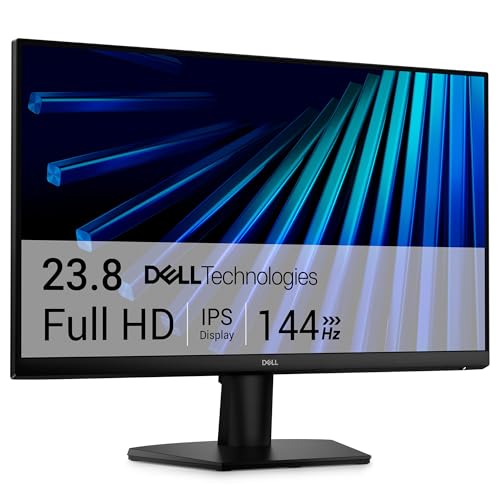
- IPS panel with wide 178° viewing angles
- 144Hz and 1ms MPRT for smoother motion
- Ultra-thin bezels and eye comfort certification
Best For: programmers who want a simple IPS monitor with a clean desktop design
Creator-Ready 4K Value – LG 27UP850K-W 27-inch 4K IPS Monitor
If you want a computer monitor for programmers that also pulls double duty for content work, the LG 27UP850K-W is a strong 27-inch 4K option. Its sharp 3840 x 2160 resolution, IPS panel, and 95% DCI-P3 color gamut make text look clean while still giving you vibrant color for media and design tasks.
Best For: Programmers who want a sharp 4K display with USB-C and a flexible work setup.
Pros:
- 4K UHD resolution on a 27-inch IPS panel for crisp text and detailed windows
- USB-C with up to 90W power delivery plus DisplayPort, dual HDMI, USB ports, and headphone jack
- Switch app can split the screen into up to 6 sections for multitasking
- Ergonomic stand supports height, tilt, and pivot adjustments
Cons:
- 60Hz refresh rate is fine for coding, but not aimed at fast gaming
- Built-in speakers are convenient, but not a replacement for dedicated audio
- 27 inches may feel smaller than ultrawide options for heavy multitasking
For developers who prefer a sharp, compact 4K screen over sheer width, this LG balances clarity, connectivity, and workspace flexibility well. It is especially appealing if you want fewer cables and an easy way to manage multiple windows.
Ultra-Wide Productivity Monster – Dell UltraSharp U4025QW 40-inch Curved Monitor
For programmers who live in split windows, terminals, and documentation, this Dell UltraSharp is a serious computer monitor for programmers. The 40-inch curved 21:9 panel and 5120 x 2160 resolution create a huge workspace that makes it easier to keep multiple apps visible without constant switching.
Best For: Developers who want an expansive ultrawide workspace with premium connectivity.
Pros:
- 40-inch curved 21:9 screen with 5120 x 2160 resolution for massive workspace
- 120Hz refresh rate and 5ms response time for smooth motion
- USB-C, Thunderbolt, Ethernet, USB hub, and DisplayPort support simplify desk setup
- Height, swivel, and tilt adjustments help dial in comfort
Cons:
- Large size and 41.9-pound weight require plenty of desk space
- Likely overkill if you only need a simple coding display
- Premium feature set may be more than casual users need
This Dell is built for serious productivity, especially when your workflow depends on side-by-side tools and a broad timeline of information. If your desk can handle it, the extra screen real estate is hard to ignore.
Balanced Ultrawide Pick – Samsung ViewFinity S50GC 34-inch Ultra-WQHD
The Samsung ViewFinity S50GC is a practical computer monitor for programmers who want more room than a standard 16:9 screen without jumping to an oversized panel. Its 34-inch 3440 x 1440 ultrawide format gives you plenty of space for code, docs, and side-by-side apps, while HDR10 and a 3000:1 contrast ratio help images look rich and readable.
Best For: Programmers who want an affordable-feeling ultrawide layout for multitasking and eye comfort.
Pros:
- 34-inch 21:9 Ultra WQHD panel provides a roomy multitasking canvas
- 100Hz refresh rate helps motion feel smoother than standard 60Hz displays
- Eye Saver Mode, Flicker Free, and ambient light sensor support long work sessions
- PBP and PIP make it easier to monitor two sources at once
Cons:
- 300 cd/m² brightness is modest compared with brighter premium monitors
- VA-style performance may not match IPS for some color-critical workflows
- Only two HDMI ports and one DisplayPort keep connectivity straightforward, not expansive
For coding, research, and general productivity, this Samsung hits a useful middle ground: wide enough to boost workflow, but not so extreme that it dominates the desk. It is a smart choice if you value multitasking and eye-care features over flagship extras.
Simple Budget Workhorse – Philips 24V8LB 24-inch FHD Monitor
If you need a straightforward computer monitor for programmers without spending on high-end extras, the Philips 24V8LB keeps things simple. Its 23.8-inch Full HD VA panel, 100Hz refresh rate, and 178-degree viewing angles make it a practical everyday display for writing code, handling email, and general desktop use.
Best For: Budget-conscious programmers who want a clean, easy-to-use office monitor.
Pros:
- 23.8-inch Full HD display is a sensible size for basic coding setups
- 100Hz refresh rate is smoother than typical entry-level 60Hz monitors
- Flicker-Free, blue light filter, and Eye Care features support long sessions
- Virtually bezel-free three-sided design works well in multi-monitor setups
Cons:
- 1080p resolution is less spacious than QHD or 4K alternatives
- HDMI and VGA connectivity are basic compared with USB-C-equipped models
- VA panel and glossy finish may not suit everyone’s preference
This Philips model is best when you want dependable essentials rather than premium specs. For a budget build or secondary coding station, it offers a clean layout and enough comfort features to get through a workday.
Wide Workspace Value – Dell 34 Plus USB-C Curved Monitor S3425DW
If you want a computer monitor for programmers that gives you more room for code, docs, and side-by-side windows, this 34-inch ultrawide Dell is a strong fit. The 3440 x 1440 resolution, 21:9 aspect ratio, and USB-C connectivity make it especially practical for a clean single-cable desk setup.
Best For: Programmers who want an ultrawide workspace with strong color, comfortable viewing, and simple USB-C connectivity.
Pros:
- 34-inch 21:9 ultrawide layout is ideal for splitting editors, terminals, and reference tabs.
- USB-C with up to 65W power delivery helps reduce cable clutter on a coding desk.
- Improved ComfortView Plus reduces harmful blue light emissions while maintaining color accuracy.
- 99% sRGB and 95% DCI-P3 coverage provide vivid, true-to-life color for work and media.
Cons:
- VA panel and 3000:1 contrast emphasize depth, but it is not the IPS option in this group.
- At 34 inches, it takes up significantly more desk space than a compact monitor.
This is the most workspace-focused option here, combining ultrawide productivity benefits with comfort features and a tidy USB-C connection. For developers who live in split panes all day, it offers a very practical balance of size, clarity, and convenience.
Compact Budget Pick – Philips 221V8LB 22-Inch FHD 100Hz Monitor
If you’re shopping for a computer monitor for programmers on a tighter budget or for a smaller desk, this Philips 22-inch model covers the essentials well. Its Full HD panel, 100Hz refresh rate, and VA contrast make it a straightforward choice for everyday coding, email, and lighter multitasking.
Best For: Programmers who want an affordable, compact monitor for basic productivity and a small workspace.
Pros:
- 22-inch Full HD screen is compact and easy to fit on smaller desks.
- 100Hz refresh rate and Adaptive-Sync help keep motion smooth.
- VA panel offers deeper blacks and a 3000:1 contrast ratio.
- Flicker-Free, Blue Light Filter, and Eye Care features support more comfortable viewing.
Cons:
- 1080p resolution and 21.5-inch viewable size are modest for heavy multitasking.
- Glossy screen finish may be less ideal in bright workspaces.
For programmers who mainly need a reliable, space-saving display, this Philips monitor is easy to recommend. It doesn’t offer the workspace of larger QHD or ultrawide panels, but it delivers the basics at a practical size with useful eye-comfort extras.
Balanced QHD Pick – Dell 27 Plus QHD Monitor S2725DSM
For many buyers, the best computer monitor for programmers is the one that balances sharp text, comfortable size, and enough screen space for multitasking. This 27-inch Dell hits that middle ground with QHD resolution, a matte IPS panel, and flexible ergonomics for long work sessions.
Best For: Programmers who want a well-rounded 27-inch QHD monitor for daily coding, multitasking, and comfortable all-day use.
Pros:
- 27-inch QHD 2560 x 1440 resolution gives more usable space than 1080p.
- IPS panel with 99% color gamut and 178-degree viewing angle supports consistent image quality.
- Height, tilt, pivot, and swivel adjustments make it easier to dial in an ergonomic setup.
- TÜV-certified eye comfort helps reduce harmful blue light while preserving image quality.
Cons:
- 8ms response time is not as fast as the ultrawide Dell in this roundup.
- Only one HDMI port is listed, so connectivity is fairly simple rather than expansive.
This Dell is the most balanced option for developers who want a sharper workspace without going oversized. It combines a productive QHD panel with ergonomic flexibility, making it an easy fit for a primary coding monitor.
Expansive 32-inch Value Pick – Samsung 32" Flat Computer Monitor
If you want a computer monitor for programmers that gives you plenty of room to work, this 32-inch Samsung is a straightforward option. The large FHD screen, 3-sided borderless design, and eye-comfort features make it practical for long coding sessions, especially if you like a cleaner multi-monitor layout.
Best For: Programmers who want a large, affordable-feeling 32-inch display for everyday coding and multitasking.
Pros:
- 32-inch screen with a three-sided borderless design for a roomy, modern workspace
- Eye Saver Mode and Flicker Free technology help reduce strain during extended use
- 75Hz refresh rate and AMD FreeSync keep motion smoother than a basic office panel
- Wall-mountable with DisplayPort and HDMI connectivity
Cons:
- 1080p resolution on a 32-inch panel means lower pixel density than smaller FHD monitors
- Only one HDMI port is listed
- 8ms response time is more practical than fast-paced competitive use
Overall, this Samsung is best viewed as a spacious, comfort-focused monitor for coding, document work, and general productivity. It favors screen size and eye-care features over sharpness, so developers who want maximum desk space will appreciate it most.
Feature-Rich Comfort Choice – Dell 24 Plus Monitor S2425HSM
This Dell 24 Plus is a strong computer monitor for programmers who want a compact desktop display with useful comfort and adjustment features. Its 23.8-inch FHD panel, 144Hz refresh rate, and height, tilt, pivot, and swivel adjustments make it easy to tune for long work sessions.
Best For: Programmers who want a small but highly adjustable monitor with built-in speakers and smoother motion.
Pros:
- Height, tilt, pivot, and swivel adjustments make it easy to dial in an ergonomic setup
- 144Hz refresh rate and 1ms MPRT provide smooth, tear-free visuals
- Integrated dual 3W speakers add convenience for calls and media
- 4-star TÜV-certified eye comfort support and FreeSync are helpful for long use
Cons:
- 23.8-inch size may feel compact if you prefer more screen real estate for coding
- Only HDMI connectivity is listed
- FHD resolution is solid, but not as detailed as higher-resolution developer displays
For programmers who value ergonomics and an easy desktop footprint, this Dell is a practical pick. It balances comfort features with smooth everyday performance, which makes it well suited to coding, meetings, and general workstation use.
Clean IPS Everyday Pick – Dell 24 Monitor SE2426H
If you need a computer monitor for programmers that keeps things simple and dependable, this Dell 24 monitor is a sensible choice. The 23.8-inch IPS panel, 144Hz refresh rate, and thin bezels give it a clean look while still offering smooth motion for work and casual use.
Best For: Programmers who want a simple IPS monitor with wide viewing angles and a tidy desktop footprint.
Pros:
- IPS technology provides consistent color and wide 178° viewing angles
- 144Hz refresh rate and 1ms MPRT make motion look smoother
- Ultra-thin bezels help maximize the usable viewing area
- TÜV Rheinland 3-star eye comfort certification supports longer sessions
Cons:
- Tilt adjustment only, so it offers less ergonomic flexibility than some rivals
- 24-inch FHD panel may feel modest for heavy multitasking
- Color gamut is listed at 72, which is fine for office work but not a standout spec
This Dell fits programmers who want a straightforward monitor with IPS consistency and a neat, modern design. It is not loaded with extras, but it covers the essentials well for everyday coding and general desktop use.
How We Picked the Best Computer Monitor for Programmers
We prioritized text clarity, usable screen size, resolution, panel quality, refresh rate where it matters, and ergonomic features that support long work sessions. For a Computer Monitor for Programmers, sharpness and workspace efficiency usually matter more than flashy gaming extras.
We also considered connectivity, stand adjustability, and features that reduce eye strain, since many programmers sit in front of a screen for extended periods every day.
Quick Comparison
In general, 24-inch 1080p monitors are the budget-friendly choice, 27-inch QHD displays offer a strong balance of density and space, and ultrawide or 4K options are best for heavy multitasking and side-by-side workflows. Higher refresh rates can make scrolling feel smoother, but they are less important than resolution and ergonomics for most coding setups.
Key Buying Factors for Computer Monitor for Programmers
Resolution and Text Clarity
Higher pixel density usually means cleaner code, sharper UI elements, and less eye fatigue. QHD is a sweet spot for many programmers on 27-inch screens, while 4K is excellent if you want very crisp text and are comfortable with scaling.
Screen Size and Aspect Ratio
A larger screen can improve productivity, but it should match your desk depth and viewing distance. Ultrawide 34-inch and 40-inch monitors are great for split-screen work, while 24- to 27-inch models suit simpler setups and smaller desks.
Panel Type and Comfort
IPS panels are often favored for programming because they offer consistent viewing angles and reliable text quality. VA panels can provide stronger contrast, which some users prefer, but ergonomics and panel tuning still matter a lot.
Ergonomics and Connectivity
Look for height, tilt, swivel, or pivot adjustability so you can align the screen with your posture. USB-C, DisplayPort, HDMI, and built-in speakers can simplify a clean desk setup, especially if you work from a laptop.
Who Should Buy Which Computer Monitor for Programmers?
If you want maximum workspace for multiple windows, choose an ultrawide or large 4K display. If you need the best value for most coding tasks, a 27-inch QHD monitor is often the most practical middle ground. If you are shopping on a tighter budget or need a secondary screen, a 24-inch 1080p model can still work well for everyday development.
For most buyers, the best Computer Monitor for Programmers is the one that fits your desk, your eyesight, and your workflow without forcing you to compromise on clarity or comfort.