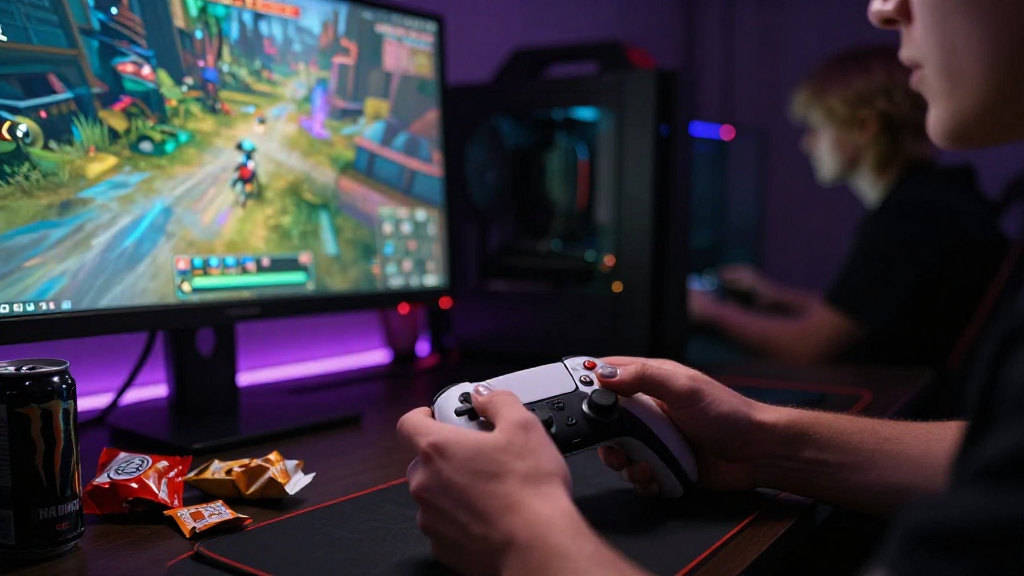
Have you ever wondered why gamers stay up late? This common habit has been a part of gaming culture for decades, and it continues to thrive in modern gaming communities.
In this article, we will explore several aspects that contribute to gamers often sacrificing their sleep to indulge in their favorite pastime.
What Drives Gamers to Stay Up Late?
- Immersive Gaming Worlds
- Video games are designed to captivate players’ attention.
- Many games offer expansive worlds, engaging storylines, and complex characters.
- This immersion can lead players to lose track of time as they become engrossed in their virtual adventures.
- Community and Social Interaction
- Gaming is not just about solo play; it often involves substantial social interaction.
- Many gamers enjoy late-night multiplayer sessions with friends or online communities.
- The camaraderie built in these environments can make staying up late feel rewarding.
- Competitive Drives
- Many gamers participate in competitive gaming or esports.
- Tournaments and matches can occur at all hours, making it necessary for gamers to adapt their sleep schedules.
- The thrill of competition and the desire to improve can override the need for sleep.
How Does Gaming Affect Sleep Patterns?
- Adrenaline Rush
- Playing intense games can trigger an adrenaline rush that keeps players alert.
- This heightened state of arousal may make it difficult to wind down after a gaming session.
- Blue Light Exposure
- Screens emit blue light, which can interfere with the body’s natural sleep-wake cycle.
- Prolonged exposure to screens in the evening can delay melatonin production and disrupt sleep patterns.
- Increased Alertness
- The excitement and challenges of gaming can lead to an increased state of alertness.
- Players may find it hard to transition from an engaging gaming experience to a restful state.
What Are the Consequences of Staying Up Late?
- Mental and Physical Health
- Chronic sleep deprivation can lead to various health issues, including anxiety, depression, and cardiovascular problems.
- Lack of sleep can also impair cognitive functions, making it difficult for gamers to focus and react quickly during gaming.
- Social Life
- Staying up late might lead to disrupted social schedules.
- Gamers may find themselves out of sync with friends and family, potentially harming relationships.
- Impact on Academic or Professional Life
- For younger gamers, staying up too late can affect school performance.
- Adults may struggle with job responsibilities and performance due to lack of sleep.
How Can Gamers Balance Gaming and Sleep?
- Set a Schedule
- Establish a regular gaming schedule that allows for breaks and plenty of sleep.
- Consider setting an alarm to remind yourself when it’s time to wrap up your session.
- Limit Blue Light Exposure
- Use blue light filters on screens or wear special glasses.
- Opt for gaming sessions earlier in the evening to minimize exposure to artificial light.
- Create a Wind-Down Routine
- After gaming, dedicate time to activities that promote relaxation.
- This could include reading, taking a warm shower, or practicing meditation.
Why Do Gamers Choose Late-Night Gaming?
- Escape and Relaxation
- For many, gaming serves as an escape from the stresses of daily life.
- Late-night gaming provides a perfect opportunity for relaxation and leisure.
- Time Zone Differences
- Online multiplayer games often involve players from different parts of the world.
- This can lead to late-night gaming sessions to coordinate with international friends or teams.
- Game Releases and Events
- Major game releases or events often occur at night, enticing gamers to stay up late.
- Release parties or late-night streams create a shared experience among gamers.
What Games Keep Gamers Up Late?
- Role-Playing Games (RPGs)
- Titles like “The Witcher,” “Final Fantasy,” and “Skyrim” entice with their rich narratives and immersive worlds.
- Players often get drawn into quests that seem to last forever.
- Massively Multiplayer Online Games (MMOs)
- Games like “World of Warcraft” and “Final Fantasy XIV” have vast in-game communities and endless quests.
- The social aspect of these games keeps players logging in during late hours.
- Survival and Strategy Games
- Games such as “Minecraft” and “Civilization” require strategic planning and resource management.
- The need to outsmart competitors or survive against odds makes it easy to lose track of time.
Do Gamers Recognize the Importance of Sleep?
- Growing Awareness
- Many in the gaming community have started discussing the importance of sleep.
- Influencers and streamers are increasingly promoting healthier gaming habits.
- Rise of Sleep Management Tools
- Gaming companies and app developers are introducing tools to help gamers manage their time better.
- Features like reminders and health tips aim to encourage healthier gaming practices.
- Events Focused on Health
- Some gaming conventions include discussions on gaming health, emphasizing the balance between gaming and well-being.
- Awareness of sleep’s significance is gradually increasing among gamers.
Conclusion: How Can We Foster a Healthy Gaming Culture?
Understanding why gamers stay up late is crucial for fostering a responsible gaming culture.
The allure of immersive worlds, competitive play, and social interaction continually draws gamers into marathon sessions.
By promoting awareness of sleep hygiene and encouraging healthier gaming habits, we can help create a gaming community that values both fun and well-being.
So, the next time you’re tempted to pull an all-nighter for that next level or ultimate loot, consider your sleep health—it might just enhance your gaming experience even more!