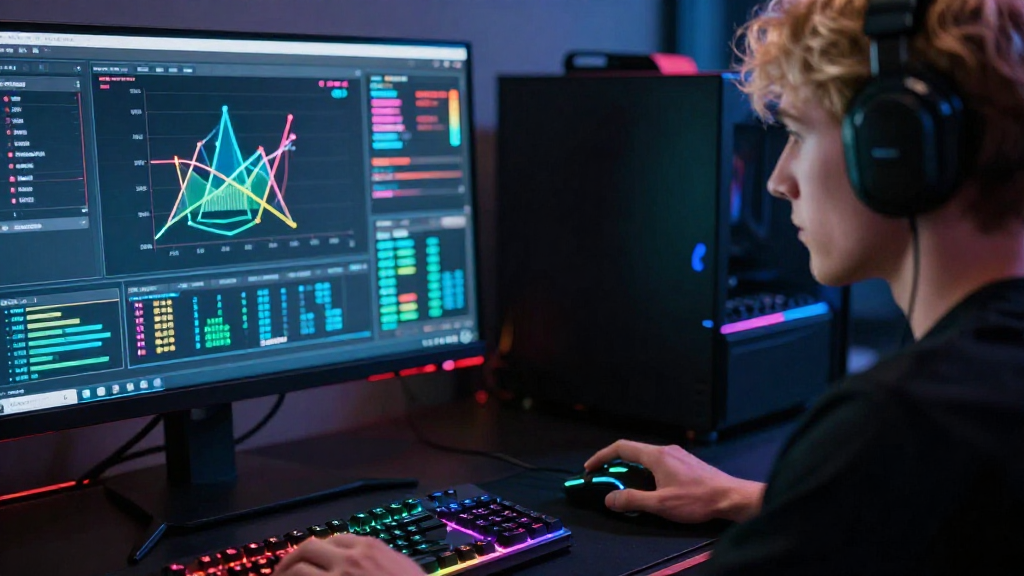
In the competitive world of gaming, understanding how gamers track performance metrics is crucial for improvement and success.
Why Do Gamers Care About Performance Metrics?
Gamers, whether casual or professional, strive to enhance their gameplay.
Performance metrics serve as a roadmap for identifying strengths and weaknesses.
By focusing on specific data points, players can tailor their strategies, practice regimens, and overall gaming experience.
Understanding these metrics can lead to:
- Improved gameplay skills
- Better team coordination
- Enhanced strategies against opponents
- Personal satisfaction and gaming enjoyment
What Are Common Performance Metrics Gamers Track?
To effectively measure performance, gamers need to be aware of the various metrics available.
Some of the most commonly tracked performance metrics include:
-
Kill/Death Ratio (K/D): Especially in shooter games, this metric compares the number of kills to the deaths a player has incurred.
-
Win/Loss Ratio: This tells players how often they win compared to how many games they play.
-
Accuracy: This percentage indicates how many shots landed versus how many shots were taken, which is crucial for shooters.
-
Score per Minute (SPM): This metric helps evaluate how effective a player is during a match.
-
Rank or ELO Rating: Particularly in ranked games, this rating reflects a player’s skill level compared to others.
-
Latency and Ping: Networking metrics that measure the time it takes for data to travel to the server and back. This can significantly affect gameplay quality.
By pinpointing these metrics, gamers can better strategize their gameplay.
How Do Gamers Collect Performance Data?
Many tools and methods are available to help players track performance metrics.
Here are some popular ways gamers collect data:
1. In-Game Stats
Many modern games provide built-in tools for tracking performance.
These are often found in menus or after game completion.
Examples include:
– Post-game summaries
– Leaderboards
– Job-specific player stats
2. Third-Party Applications
Numerous third-party applications allow gamers to gather more detailed statistics.
These can range from basic tracking apps to comprehensive analytic software.
Some of the most popular include:
- Twitch API: For streamers, analyzing audience engagement and performance.
- Kovaak’s FPS Aim Trainer: Utilized for tracking aim-related metrics.
- Destiny Tracker: Provides stats and tools for the Destiny game series.
3. Streaming Platforms
Gamers may also utilize live streaming platforms like Twitch to monitor their performance indirectly.
Viewers often provide real-time feedback and analysis.
4. Community Forums and Websites
Many gaming communities host forums and websites where players can share their stats.
Platforms like Reddit or gaming-specific boards provide discussions on individual players’ metrics.
Gamers often exchange tips and insights into improving performance based on the metrics shared.
How Do Gamers Analyze Their Performance?
Tracking the metrics is just the first step towards improvement.
Analyzing these performance metrics to find actionable insights is where the real growth happens.
Here’s how gamers delve into their performance data:
1. Identify Patterns
By reviewing games systematically, gamers can identify patterns in their gameplay.
For example:
– Are they consistently losing in particular matchups?
– Do they perform better under certain conditions?
Recognizing trends can inform strategic decisions in future games, leading to improved performance.
2. Set Goals
Understanding how gamers track performance metrics empowers them to set realistic goals.
Goals can include:
– Improving accuracy by a percentage
– Lowering the K/D ratio over a season
– Winning a specific number of matches in a month
3. Seek Feedback
Players often discuss their performance with friends or teammates to gain feedback.
By applying insights from others, they can adjust their gameplay strategy or practice routine.
4. Regular Reviews
Setting a regular schedule for performance reviews can ensure consistent improvement.
This can be done weekly, monthly, or after significant milestones in gaming.
Gamers should assess how their recent plays compare to their long-term statistics.
Can Performance Metrics Impact Gamers’ Mental Health?
Understanding how gamers track performance metrics also brings to light an essential consideration: mental health.
Measuring one’s gaming success can lead to both positive and negative emotional responses.
Positive Impact:
- Sense of Achievement: Tracking improvement can enhance confidence.
- Goal-Setting: Outlining objectives helps organize and push for improvement.
Negative Impact:
- Pressure to Perform: Constant emphasis on metrics may lead to burnout or anxiety.
- Comparison: Players may negatively compare their stats to others, impacting their self-esteem.
It’s crucial for gamers to find the right balance.
Conclusion: The Future of Performance Tracking for Gamers
Whether entertaining friends or competing professionally, understanding how gamers track performance metrics has become integral to the gaming culture.
As technology evolves and games become more complex, players will likely see even more detailed performance analytics.
With artificial intelligence and machine learning likely to play a role in future gaming, online metrics could become more sophisticated, offering personalized insights that revolutionize the way players approach their craft.
As we look ahead, maintaining a healthy balance in tracking and analyzing performance will continue to be key for gamers chasing both improvement and enjoyment in their gaming experiences.
By utilizing tools, analyzing metrics, and staying cognizant of the mental ramifications, gamers can enhance their skills and maximize enjoyment in their gaming endeavors.