Choosing the right synth for recording depends on how you work: hands-on analog sound design, MIDI control, portability, or an all-in-one production setup. The best option should fit your workflow and your studio space.
Below, we focus on synthesizers for recording that offer real value for songwriters, producers, and home-studio creators, with options for beginners and more experienced musicians alike.
Best 10 Synthesizers for Recording Picks for 2026
Portable Moog Monosynth
MOOG Messenger Analog Synthesizer

- Analog monosynth with classic Moog sound
- 32-key aftertouch keyboard and 64-step sequencer
- CV, MIDI, USB-C, and external audio input
Best For: Producers and musicians recording expressive analog basses, leads, and sequenced parts
88-Key Studio Controller

- 88 full-size semi-weighted velocity-sensitive keys
- USB-powered with transport, pitch, and mod controls
- Includes software for recording and production
Best For: Keyboardists and home studios focused on software synth recording
Compact Stylus Synth
Bowie Stylophone Limited Edition
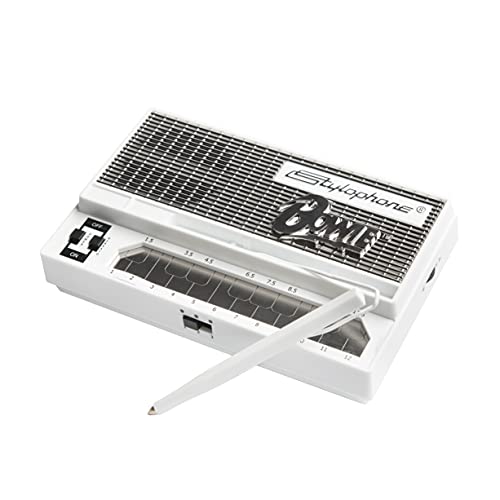
- Battery-powered stylus synth with compact size
- Three modes for analog synth and bass sounds
- Limited-edition Bowie design
Best For: Writers and collectors needing a portable idea-sketching synth
Mini Groove Controller

- Compact 25-key controller with built-in speaker
- 100+ internal sounds plus pads, knobs, and arpeggiator
- USB MIDI and battery-powered portability
Best For: Mobile producers and songwriters sketching parts without a laptop
Retro Toy Synth

- Portable digital synthesizer with 3.5mm audio jack
- Longer stem offers better pitch control
- Includes strap, batteries, and aux cable
Best For: Teens and adults seeking a quirky, portable synth for creative recording textures
Compact MIDI Control
MPK Mini Plus 37-Key Controller

- 37-key MIDI controller with pads, knobs, and transport
- CV/Gate and MIDI I/O support external synth gear
- Built-in 64-step sequencer for sketching parts
Best For: Producers who want hands-on recording control for synths and DAWs
Pocket Analog Synth

- Pocket-sized synth with classic analog-style tone
- Stylus play makes it simple and expressive
- Headphone socket and PC line-in support recording
Best For: Players who want a tiny retro synth for demos and layered tracks
Compact MIDI Control for Recording
Akai MPK Mini Plus 37-Key Controller

- 37-key controller with velocity-sensitive mini keys
- 64-step sequencer and 8 RGB MPC pads
- MIDI I/O plus CV/Gate for studio gear
Best For: Portable recording setups that need sequencing and hardware control
Portable FM Sound Module

- 6-operator FM engine with 32 algorithms
- 128 presets, arpeggiator, sequencer, and effects
- USB-C, Bluetooth MIDI, and 3.5mm MIDI IN
Best For: Portable FM sounds and quick recording ideas
Standalone Studio Workstation
Akai MPC Key 37 G2 Standalone Workstation

- Standalone MPC3 OS for full track creation
- 37 synth-action keys with 16 MPC pads
- USB-C multichannel audio and expanded MIDI
Best For: Hands-on producers who want an all-in-one recording workstation
Portable Moog Monosynth – MOOG Messenger Analog Synthesizer
For synthesizers for recording, the MOOG Messenger is built for players who want unmistakable analog character in a compact, studio-ready monosynth. Its knob-per-function layout, 32 full-size keys, and modern sequencing tools make it easy to capture ideas quickly without digging through menus.
Best For: Producers and musicians who want a portable Moog monosynth with hands-on control for studio recording.
Pros:
- Two continuously variable-shape VCOs with sync, FM, and a sub-oscillator for thick low end
- Next-gen ladder filter with 4- or 2-pole low-pass, band-pass, and high-pass modes
- 32 semi-weighted full-size keys with velocity and aftertouch for expressive recording
- 64-step sequencer with probability behavior, parameter recording, and arpeggiator
Cons:
- Monophonic design limits it to single-note lines and bass/lead parts
- More focused on analog synthesis than broad sound-library playback
- Best suited to users who value hands-on programming over preset browsing
The Messenger stands out as a practical recording synth when you want classic Moog tone plus enough modern control to keep sessions moving. If your priority is sculpting basses, leads, and sequenced parts with tactile control, it fits the role well.
88-Key Studio Controller – M-AUDIO Keystation 88 MK3
If you need a straightforward controller for synthesizers for recording, the M-AUDIO Keystation 88 MK3 is all about giving you full-size keys and simple DAW control. It connects over USB, works plug-and-play with Mac or PC, and adds the essentials for performing and tracking virtual instruments.
Best For: Keyboard players and home-studio users who want an 88-key MIDI controller for software synth recording.
Pros:
- 88 full-size velocity-sensitive semi-weighted keys for a piano-style playing range
- Pitch and mod wheels, octave buttons, transport controls, and sustain input
- USB-powered plug-and-play setup with no driver or power supply required
- Includes recording and production software such as Ableton Live Lite and MPC Beats
Cons:
- No built-in sounds, so it depends on external software or hardware synths
- Lacks pads, knobs, and advanced hands-on synthesis controls
- Large footprint may take up significant desk or stand space
This is a practical centerpiece if your recording setup is built around virtual instruments rather than onboard synth engines. It keeps the focus on playing, while giving you enough control to navigate sessions efficiently.
Compact Stylus Synth – Bowie Stylophone Limited Edition
The Bowie Stylophone is a compact option for synthesizers for recording when portability and simple sound generation matter more than deep editing. Its stylus-based interface, battery power, and three sound modes make it a quick way to sketch quirky analog-style parts on the fly.
Best For: Writers and collectors who want a small, battery-powered synth for simple ideas and texture parts.
Pros:
- Compact, battery-powered design that is easy to move around the studio
- Unique stylus interface makes it quick to play simple melodic ideas
- Three modes provide classic analog synth and bass sounds
- Limited-edition Bowie-inspired design with embossed logo
Cons:
- Very limited compared with full-size synths or controllers for recording
- Auxiliary connection is basic rather than studio-focused
- Not intended for complex patch design or deep performance control
This is better as a character piece than a main recording workstation. Use it when you want something portable and distinctive for simple parts, sound design accents, or inspiration.
Mini Groove Controller – Akai MPK Mini Play MK3
For synthesizers for recording on the go, the Akai Professional MPK Mini Play MK3 combines a compact controller layout with built-in sounds and a speaker. That makes it useful when you want to sketch beats, play synth parts, and hear ideas immediately without always relying on a laptop.
Best For: Mobile producers and songwriters who want a compact keyboard with onboard sounds and USB MIDI.
Pros:
- Built-in speaker and over 100 internal drum and instrument sounds for quick idea capture
- 25-key dynamic keybed with 8 velocity-sensitive MPC pads and 4 encoder knobs
- Arpeggiator, note repeat, and OLED display add useful performance features
- USB MIDI plus battery power support make it easy to use away from the desk
Cons:
- 25 keys are compact and may feel limiting for two-handed playing
- Built-in sound set is useful, but not a substitute for a full synth workstation
- Batteries are not included for portable use
This model is a strong fit if you want a small controller that can also generate sounds on its own. It works especially well for quick recording sessions, sketching arrangements, and portable beat making.
Retro Toy Synth – PAC-MAN Otamatone Deluxe
If you want synthesizers for recording that are more about adding character than acting as a full studio controller, the Otamatone Deluxe PAC-MAN edition is a playful option. It is a portable digital synthesizer with a longer, wider stem for improved playability, plus a 3.5mm stereo jack so you can route it to headphones, amps, or speakers while capturing its quirky voice.
Best For: Teens and adults who want a fun, portable synth for experimenting, looping, or adding unusual tones to recordings.
Pros:
- Longer, more responsive stem improves pitch control versus the original Otamatone.
- Built-in 3.5mm jack supports headphones, amps, and speakers.
- Lightweight, portable design makes it easy to use at home or outdoors.
- Comes with batteries, aux cable, and a strap in the package.
Cons:
- More of a novelty instrument than a traditional keyboard synth.
- Limited appeal if you need standard keys or deep sound design controls.
For recording, this is best viewed as a source of unique melodic and effect-like sounds rather than a production workhorse. If your goal is to capture something memorable and expressive, it can be a useful color instrument.
Compact MIDI Control – MPK Mini Plus 37-Key Controller
For synthesizers for recording, the Akai Professional MPK Mini Plus is the most production-focused option here because it is built to control DAWs, sound modules, modular gear, and software instruments. Its 37-key keybed, velocity-sensitive pads, knobs, sequencer, and MIDI/CV connectivity make it a practical hub for writing parts and shaping sounds in a recording setup.
Best For: Producers who want a compact keyboard controller for recording, sequencing, and hands-on control of synth gear.
Pros:
- 37-key keybed gives you 3 full octaves for melodic and harmonic work.
- CV/Gate and MIDI I/O expand control over synths, modules, and studio gear.
- Built-in 64-step sequencer lets you compose without a computer.
- Includes pads, knobs, DAW transport controls, and MPC Beats software.
Cons:
- As a controller, it does not generate sound on its own.
- Best suited to users who already have a DAW or external sound sources.
If you need a small controller that can actually help build and record tracks, this one covers a lot of ground. It is especially useful when you want a tactile workflow without giving up portability.
Pocket Analog Synth – Original Stylophone
The Stylophone is a compact pocket synthesizer that can be useful in recording when you want an unmistakable retro tone. Its touch-sensitive metal surface, stylus input, built-in speaker, headphone socket, and PC line-in connection make it easy to try ideas quickly and capture its warm, vintage sound in your software.
Best For: Musicians who want a tiny, battery-powered synth with a classic sound for demos and layered recording parts.
Pros:
- Iconic analog-style sound with a warm, retro organ-like character.
- Easy stylus-based playing makes it approachable for beginners.
- Very portable at less than 12cm wide and runs on AA batteries.
- Can connect to a computer via 3.5mm stereo cable for recording.
Cons:
- Limited range compared with full-size keyboards and controllers.
- Sound palette is niche if you need modern synthesis depth.
As a recording tool, the Stylophone works best when you want a distinctive texture rather than broad versatility. It is a simple way to add an instantly recognizable synth layer to a track.
Compact MIDI Control for Recording – Akai MPK Mini Plus 37-Key Controller
If you’re shopping for synthesizers for recording and need a hands-on controller for writing parts, the Akai Professional MPK Mini Plus gives you a compact way to trigger melodies, drums, and DAW functions. Its 37-key layout, 8 MPC pads, 64-step sequencer, and MIDI/CV/Gate I/O make it a flexible hub for studio ideas.
Best For: Producers who want a portable MIDI controller with sequencing, pad performance, and hardware connectivity for recording setups.
Pros:
- 37 velocity-sensitive mini keys cover 3 full octaves for melodic and harmonic parts.
- Built-in 64-step sequencer lets you create without a computer.
- MIDI I/O plus CV/Gate support helps it connect to modular gear and sound modules.
- 8 RGB MPC pads and assignable knobs give practical hands-on control.
Cons:
- It is a MIDI controller, so it does not generate its own synth sounds.
- Mini keys may feel limiting if you prefer a full-size keyboard.
As a recording-focused controller, this model is strongest when you want to sketch ideas quickly and control studio gear from one compact unit. The included software bundle adds extra value for beat making and DAW-based production.
Portable FM Sound Module – M-VAVE FM-1 Portable FM Synth
For buyers comparing synthesizers for recording, the M-VAVE FM-1 stands out as a compact FM sound module with built-in keys, presets, and editing tools. Its 6-operator FM engine, 128 factory presets, arpeggiator, sequencer, and multi-format MIDI connectivity make it useful for quick sound design and direct studio integration.
Best For: Players and producers who want a tiny, battery-powered FM synth for portable recording and sound experimentation.
Pros:
- 6-operator FM synthesis with 32 algorithms for DX-style sounds, pads, basses, and more.
- 128 factory presets plus FM SYSEX import expand sound options.
- Built-in arpeggiator, 16-step sequencer, and six effects support creative programming.
- USB-C, Bluetooth BLE MIDI, and 3.5mm MIDI IN provide flexible connectivity.
Cons:
- The 27-key silicone keyboard is compact and may feel cramped for larger parts.
- It is geared toward synth module use rather than a full performance keyboard.
This is a practical choice when you want a small synth module for recording ideas anywhere without hauling a larger rig. The battery power and onboard speaker make it especially convenient for portable sessions and quick editing.
Standalone Studio Workstation – Akai MPC Key 37 G2 Standalone Workstation
If you want one of the more complete synthesizers for recording, the Akai Professional MPC Key 37 G2 is built as an all-in-one standalone production keyboard. It combines a 37-key synth-action bed, 16 MPC pads, a 7-inch touchscreen, and MPC3 OS so you can create, arrange, and finish tracks without relying on a computer.
Best For: Producers who want a standalone keyboard workstation for sampling, sequencing, and full song creation.
Pros:
- Standalone MPC3 OS workflow supports track-based production without a computer.
- 37 keys and 16 pads combine melody, harmony, rhythm, and sampling.
- USB-C offers multichannel audio streaming and expanded MIDI over one cable.
- Fast sampling workflows and DAW integration make it flexible in studio use.
Cons:
- It is a larger, more complex instrument than a basic MIDI controller.
- Some advanced features depend on the broader MPC workflow and software ecosystem.
For recording-centered production, this model is the most capable option here because it can handle composing, sampling, and arranging in one device. The upgraded processing power and large factory content library make it well suited to building complete tracks from start to finish.
How We Picked These Synthesizers for Recording
We prioritized instruments that make sense in real recording setups: flexible connectivity, reliable playability, useful sound generation or control features, and a price-to-capability balance that suits different studio needs. Because Synthesizers for Recording can mean very different things, this list includes analog synths, MIDI keyboards, portable groove-friendly options, and standalone production tools.
Quick Comparison
Broadly, the list breaks into four groups. Analog and sound-design-focused instruments are best for shaping original tones. MIDI controllers are ideal if you already use software instruments in a DAW. Compact novelty or pocket synths are fun for texture and experimentation. Standalone production keyboards are the most self-contained choice for writing and tracking without relying on a computer.
Key Buying Factors for Synthesizers for Recording
Sound Source and Workflow
Decide whether you need a true sound-generating synth or a controller that triggers virtual instruments. If you record mainly into a DAW, a controller may give you more flexibility. If you want committed tones on the way in, an actual synth is often the better choice.
Key Count and Playability
Smaller keys and fewer octaves save space, but they can limit performance and two-handed parts. Full-size 88-key controllers suit piano-based writing, while 25- to 37-key models are better for beats, bass lines, and compact desks.
Connectivity and Integration
Look for USB MIDI, traditional MIDI I/O, audio outputs, and any built-in speakers or standalone features you may need. For Synthesizers for Recording, clean integration with your interface, computer, and software is often more important than sheer feature count.
Portability and Desk Space
Some buyers need an instrument that travels easily or fits beside a laptop. Others want a more substantial keyboard for expressive playing. Match the footprint to your room and recording style so the synth gets used instead of sitting in storage.
Who Should Buy Which Synthesizers for Recording?
If you want tactile analog sound design, choose a dedicated synth. If you mainly record software instruments, a MIDI controller is usually the smartest buy. If you need a compact creative tool for sketches, a pocket synth can inspire fast ideas. If you want to build tracks without switching between devices, a standalone production keyboard is the strongest all-in-one option. For most home studios, the best choice comes down to whether you value sound generation, control, or independence most.