If you want a NAS that stays responsive under real-world workloads, M.2 cache can make a noticeable difference. It helps reduce bottlenecks when multiple users are accessing files, running apps, or streaming media.
This roundup focuses on the best NAS enclosures with M.2 cache for 2026, balancing speed, expandability, networking, and value across home, creator, and small business use cases.
Best 10 Nas Enclosures with M2 Cache Picks for 2026
Synology Pick
DS1621+ 6-bay NAS with dual M.2 cache

- Dual M.2 NVMe slots for cache
- Can expand to 16 drives with DX517 units
- Ready for 10GbE NIC upgrades
Best For: Cache-accelerated storage with expansion flexibility
UGREEN Performance Pick
DXP4800 Pro 4-bay NAS with dual M.2 cache

- Dual M.2 PCIe 4.0 slots for cache or storage pool
- Intel Core i3-1315U with DDR5 RAM
- 10GbE + 2.5GbE networking for fast transfers
Best For: Power users running VMs, Docker, and high-speed workflows
Ubiquiti Compact Pick
UniFi 4-bay NAS with dual M.2 NVMe cache
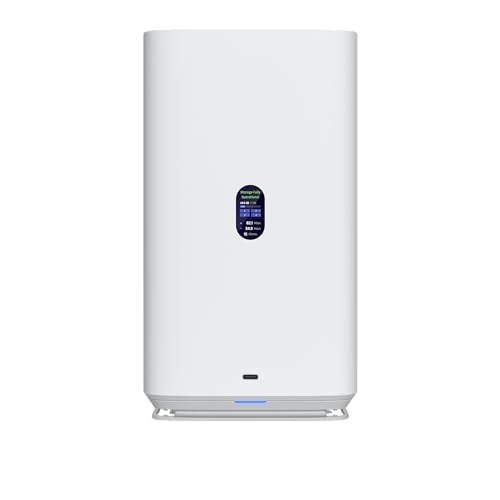
- Two M.2 NVMe SSD cache slots
- 4-bay HDD design with 2.5Gb Ethernet
- USB-C connectivity option
Best For: Compact storage with simple cache acceleration
TerraMaster Flex Pick
F2-425 Plus 2-bay NAS with triple M.2 slots

- Triple M.2 SSD design for cache or storage pools
- Dual 5GbE ports with up to 1020MB/s claimed speeds
- Supports Docker, VMs, and media apps
Best For: Fast compact NAS with extra M.2 flexibility
Creator-Grade 4-Bay Pick

- Ryzen-powered 4-bay NAS with 8GB RAM expandable to 64GB
- Dual 10GbE and SSD expansion support fast transfers
- Includes Docker, VMs, and built-in surveillance tools
Best For: creators and small teams needing high-speed local storage
Feature-Packed Hybrid NAS

- Two HDD bays and two NVMe slots for hybrid storage
- Dual 2.5GbE plus HDMI and USB connectivity
- Includes AI albums, remote access, and Docker support
Best For: home users and small offices wanting flexible media and backup features
Compact 6-Bay Speedster

- Intel N100 with 16GB LPDDR5 and built-in 10GbE
- Four M.2 NVMe slots plus two SATA bays
- Includes Unraid Starter License and 4K media support
Best For: users wanting a compact, fast, and flexible Unraid-ready NAS
Family & Creator NAS

- Intel 5-core CPU with 8GB DDR5 RAM
- 10GbE plus 10Gbps USB for fast transfers
- Docker, VMs, and AI photo tools
Best For: Families, creators, and small teams needing fast shared storage
Compact NVMe Speed NAS
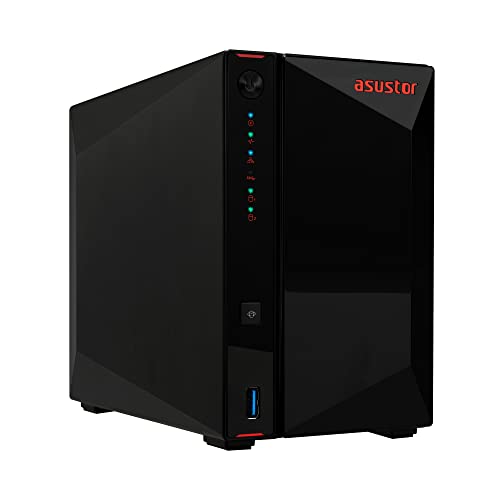
- 4x M.2 NVMe slots for cache or flash storage
- Dual 2.5GbE for fast networking
- HDMI 2.0b and USB 3.2 Gen2 included
Best For: Gamers, streamers, and home users wanting a fast 2-bay NAS
Creator 6-Bay Workhorse
Asustor Lockerstor 6 Gen2+ AS6706T v2
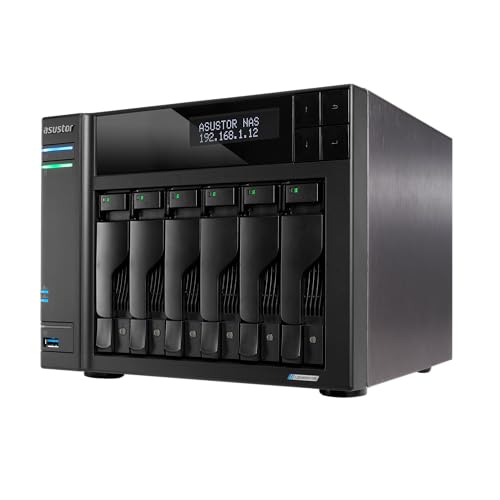
- 4x M.2 NVMe slots for cache acceleration
- Dual 5GbE ports, 10GbE upgrade ready
- 6-bay hybrid storage with 8GB DDR4
Best For: Video creators and small businesses needing hybrid storage
Synology Pick – DS1621+ 6-bay NAS with dual M.2 cache
If you want one of the more established nas enclosures with m2 cache, the Synology DS1621+ is built to speed up HDD-heavy setups without giving up drive bays. Its dual built-in M.2 slots are designed for NVMe SSD cache, and Synology pairs that with a Ryzen-based platform, expansion support, and ready-made backup tools for mixed home or small office use.
Best For: Users who want a 6-bay NAS with built-in M.2 cache slots, easy expansion, and a strong backup ecosystem.
Pros:
- Dual built-in M.2 slots for NVMe SSD cache without using up HDD bays
- Ryzen quad-core platform with claimed performance gains over the predecessor
- Can scale up to 16 drives with two DX517 expansion units
- Ready for 10GbE upgrades for higher network bandwidth
Cons:
- Diskless enclosure, so storage drives must be purchased separately
- 10GbE networking requires an added NIC
- Designed as a desktop unit, so it is not a compact pocketable appliance
Overall, the DS1621+ is a practical choice if your priority is cache-boosted HDD storage with room to grow. It stands out most for buyers who want Synology’s ecosystem plus a straightforward path to faster performance and expansion.
UGREEN Performance Pick – DXP4800 Pro 4-bay NAS with dual M.2 cache
The UGREEN DXP4800 Pro is one of the most feature-packed nas enclosures with m2 cache for power users who need more than basic file storage. It combines an Intel Core i3-1315U, DDR5 memory, dual networking, and dual M.2 PCIe 4.0 slots that can be used as cache or as a storage pool for faster handling of demanding workflows.
Best For: Developers, editors, and advanced users who want Docker, VM support, and M.2-based acceleration in a high-performance NAS.
Pros:
- Intel Core i3-1315U with 8GB DDR5 RAM and support for much more memory
- Dual M.2 PCIe 4.0 SSD slots can act as cache or storage pool
- 10GbE + 2.5GbE ports for fast transfers and multitasking
- Supports Docker, virtual machines, and on-device AI photo recognition
Cons:
- Four-bay design may be limiting if you need more HDD capacity than that
- Many advanced features may be more than casual users need
- Diskless model means you still need to supply your own drives
As a NAS enclosure, this model is aimed squarely at users who value speed, software flexibility, and modern hardware. If you want M.2 cache plus workstation-like features in one box, it is a strong fit.
Ubiquiti Compact Pick – UniFi 4-bay NAS with dual M.2 NVMe cache
Ubiquiti 4-Bay NAS with 2.5/3.5" HDD Slots & 2 M.2 NVMe SSD Cache Slots by Ubiquiti
Check Price On AmazonIf you are comparing nas enclosures with m2 cache for a clean, compact build, Ubiquiti’s UniFi NAS keeps the hardware simple and focused. It offers four HDD bays plus two M.2 NVMe SSD cache slots, along with 2.5Gb Ethernet and USB-C connectivity, making it a straightforward option for users who want faster access without adding complexity.
Best For: Buyers who want a compact 4-bay NAS with dual NVMe cache slots and 2.5GbE networking.
Pros:
- Dual M.2 NVMe SSD cache slots for performance acceleration
- Four-bay HDD design keeps capacity flexible
- 2.5Gb Ethernet supports faster-than-gigabit networking
- USB-C connectivity option adds convenience
Cons:
- Product details are relatively sparse compared with more fully specified competitors
- Only a 4-bay layout, so maximum HDD capacity is more limited than larger units
- Appears aimed at a narrower use case than feature-rich pro NAS models
This is a sensible choice if you want cache slots and quicker networking in a compact enclosure. It is best suited to users who prefer a simpler, modern NAS design over a long list of extra software features.
TerraMaster Flex Pick – F2-425 Plus 2-bay NAS with triple M.2 slots
The TerraMaster F2-425 Plus is a compelling option if you want nas enclosures with m2 cache but also want flexibility beyond a standard two-slot setup. Its triple M.2 SSD design can be used for cache or independent storage pools, while the Intel N95 platform, dual 5GbE ports, and TOS 6 software make it a strong fit for speed-focused home and small business use.
Best For: Users who want a 2-bay NAS with triple M.2 expansion, fast 5GbE networking, and broad app support.
Pros:
- Triple M.2 SSD design supports cache or separate storage pools
- Dual 5GbE LAN ports with up to 1020MB/s claimed throughput
- Supports Docker, virtual machines, Plex/Emby/Jellyfin, and backup tools
- Durable aluminum-alloy chassis with push-lock HDD trays
Cons:
- Only two HDD bays, so raw drive capacity is lower than 4- or 6-bay rivals
- Diskless configuration means you must add your own drives
- Triple M.2 support is flexible, but the 2-bay layout may still constrain some users
For buyers who care about cache flexibility and networking speed more than sheer bay count, the F2-425 Plus is easy to recommend. It delivers a modern mix of storage options and performance features in a compact enclosure.
Creator-Grade 4-Bay Pick – UGREEN DXP4800 GT
If you want a NAS enclosure with M.2 cache support that can handle creative work, backups, and self-hosted apps, the UGREEN DXP4800 GT is built for heavier everyday use. Its Ryzen Embedded CPU, dual 10GbE networking, and SSD expansion make it a strong fit for fast transfers, media workflows, and multi-user access without leaning on a cloud service.
Best For: creators, small teams, and power users who want fast local storage with flexible app support
Pros:
- AMD Ryzen Embedded R2514 with 4 cores, 8 threads, and up to 3.70GHz
- Dual 10GbE plus SSD expansion for fast transfers and 4K/8K editing workflows
- Supports Docker, virtual machines, SAN Manager, and UGREEN Surveillance Center
- Built-in SD card slot and USB-C/USB-A 10Gbps ports simplify imports and backups
Cons:
- Drives are not included
- Some advanced features may be overkill if you only need basic file storage
- Surveillance Center is limited to ONVIF/RTSP cameras
Overall, this is the most performance-focused option in the group for users who want a NAS enclosure with M.2 cache and room to grow into more demanding tasks. It combines speed, security, and app flexibility in one local-storage platform.
Feature-Packed Hybrid NAS – ORICO MetaBox HS200
The ORICO MetaBox HS200 is a practical NAS enclosure with M.2 cache support for buyers who want a mix of storage options and built-in app features. With two HDD bays, two NVMe slots, dual 2.5GbE ports, and a feature-heavy OS, it is aimed at home users and small offices that want local storage, remote access, and media management in one box.
Best For: households and small teams that want flexible storage, media streaming, and remote access
Pros:
- 2 HDD slots plus 2 M.2 NVMe SSD slots for a hybrid storage setup
- Dual 2.5GbE, HDMI, USB-A, and USB-C connectivity
- Supports remote access, Time Machine backup, Docker, and virtual machines
- Includes AI album features and 4K media library support
Cons:
- Diskless system, so storage must be added separately
- Feature depth may be more than needed for simple backup use
- Some software functions depend on ORICO’s proprietary CyberData OS
This model stands out if you want broad functionality instead of just raw capacity. For shoppers comparing NAS enclosures with M.2 cache, it offers a lot of built-in tools for media, backup, and productivity in a compact private-cloud setup.
Compact 6-Bay Speedster – LincStation N2
The LincStation N2 is a compact NAS enclosure with M.2 cache-style NVMe expansion that focuses on speed and flexibility. With 10GbE, four M.2 NVMe slots, two SATA bays, and an included Unraid Starter License, it is designed for users who want a small system that can still handle media streaming, Docker, and mixed-drive storage.
Best For: power users and beginners to Unraid who want a compact, fast NAS with flexible drive support
Pros:
- Intel N100 processor with 16GB LPDDR5 memory
- Built-in 10GbE for fast file transfers and collaborative use
- Four M.2 NVMe slots plus two SATA bays for flexible storage layouts
- Includes Unraid OS Starter License and supports Plex, Jellyfin, Docker, and virtual machines
Cons:
- Only two SATA bays, so HDD capacity is more limited than larger NAS units
- Diskless design means you need to supply all drives yourself
- Compact size may not suit users who want more traditional multi-HDD expansion
If you want a small, fast system with lots of NVMe flexibility, the N2 is one of the more adaptable options here. It is especially appealing for users who value high-speed storage paths and an easy entry into Unraid-based home server setups.
Family & Creator NAS – UGREEN DXP4800 Plus 4-Bay NAS
If you want a practical NAS enclosure with m2 cache potential for a home office or small team, the UGREEN DXP4800 Plus focuses on speed, centralized storage, and easy collaboration. It combines a powerful processor, 10GbE networking, and support for Docker and virtual machines, while also adding RAID protection, private-cloud access, and AI photo organization.
Best For: Families, creators, and small teams that want fast shared storage with strong collaboration features.
Pros:
- Intel 5-core CPU and 8GB DDR5 RAM for smooth multitasking
- 10GbE and 10Gbps USB ports for fast transfers
- Supports Docker and virtual machines for advanced use
- AI photo album helps organize and de-duplicate images
Cons:
- Hard drives are not included
- All other DXP models support wired Ethernet only, not Wi‑Fi
- Advertised capacity depends on RAID 0 and compatible drives
This is a strong all-around NAS for buyers who value speed, remote access, and content management over a simple plug-and-play drive box. If your priority is a capable shared storage hub with modern app support, it fits well.
Compact NVMe Speed NAS – Asustor AS5402T 2-Bay
The Asustor AS5402T is a compact NAS enclosure with m2 cache support built for users who want quick response times and flexible storage in a 2-bay design. Its four M.2 NVMe slots can be used for caching or full flash storage, and the dual 2.5GbE ports add fast networking for backups, sharing, and streaming.
Best For: Gamers, streamers, and home users who want a fast 2-bay NAS with lots of NVMe expansion.
Pros:
- 4x M.2 NVMe SSD slots for caching or full flash storage
- Dual 2.5GbE ports for faster transfers and link aggregation
- Intel N5105 quad-core CPU handles multitasking and media use
- HDMI 2.0b and USB 3.2 Gen2 add versatile connectivity
Cons:
- Only 4GB RAM installed by default
- 2-bay design limits total hard drive capacity versus larger units
- Best suited to users who will make use of the NVMe features
For buyers focused on responsiveness, this model stands out because the NVMe slots can meaningfully improve system performance. It makes the most sense when you want a smaller NAS that still feels high-end for streaming, gaming, or everyday file work.
Creator 6-Bay Workhorse – Asustor Lockerstor 6 Gen2+ AS6706T v2
If you need a larger NAS enclosure with m2 cache support for editing, sharing, and backup work, the Asustor Lockerstor 6 Gen2+ is built around speed and flexibility. It pairs dual 5GbE networking with four M.2 NVMe slots, giving creators a mix of high-capacity HDD storage and fast SSD acceleration for demanding workflows.
Best For: Video creators and small businesses that want hybrid storage with strong network performance.
Pros:
- 4x M.2 NVMe slots for cache or high-speed acceleration
- Dual 5GbE ports with 10GbE upgrade readiness
- 8GB DDR4 RAM supports multitasking and creative workloads
- 6-bay hybrid design combines HDD capacity with SSD speed
Cons:
- Diskless, so drives must be purchased separately
- Larger 6-bay chassis takes more space than smaller NAS units
- Best value comes when you actually need the extra bays and NVMe slots
This model is a good fit when you want more than basic file storage and need a NAS that can keep up with editing, syncing, and 24/7 team use. The mix of bays, memory, and NVMe support makes it the most scalable option in this group.
How We Picked the Best Nas Enclosures with M2 Cache
We prioritized models that pair solid core storage with practical M.2 cache or SSD expansion options, since that combination is often what separates a basic NAS from a smoother everyday system. We also looked at CPU class, RAM, network speed, drive bay count, and support for media, backups, virtualization, and multi-user file sharing.
For this list, we favored Nas Enclosures with M2 Cache that make sense for buyers who want better responsiveness without overpaying for enterprise hardware.
Quick Comparison
In general, 2-bay systems are best for lighter home use and compact setups, 4-bay units hit the sweet spot for most buyers, and 6-bay models are better when you need more capacity, RAID flexibility, or heavier app workloads. If your workflow includes Plex, Docker, creative files, or active collaboration, dual 2.5GbE or faster networking and multiple M.2 slots become more valuable.
Key Buying Factors for NAS Enclosures with M.2 Cache
Cache Versus Storage
M.2 slots may be used for cache, app storage, or even full SSD volumes depending on the platform. Make sure the system supports the role you need, especially if you plan to use SSDs beyond simple acceleration.
Network Speed Matters
M.2 cache helps the NAS respond faster, but your network still determines how quickly data reaches your devices. For most users, 2.5GbE is a strong baseline; creators, teams, and power users may benefit from 5GbE or 10GbE.
Drive Bays and Expansion
More bays usually mean more usable capacity and better RAID choices. If you expect your storage needs to grow, choose a chassis with room to expand rather than relying only on cache.
CPU and RAM
Cache cannot compensate for an underpowered processor or too little memory. Heavier tasks like transcoding, Docker, or multiple simultaneous file transfers benefit from stronger CPUs and more RAM.
Who Should Buy Which Nas Enclosures with M2 Cache?
Choose a 2-bay NAS if you want a compact, affordable setup for backups, media, or personal cloud storage. Pick a 4-bay model if you want the best balance of speed, capacity, and future growth. Go with a 6-bay option if you manage larger media libraries, office data, or advanced workloads that need more drives and better RAID flexibility.
If your top priority is responsiveness, look for Nas Enclosures with M2 Cache that also include modern networking and a capable CPU. If your priority is maximum storage per dollar, a larger bay count may matter more than extra SSD slots.