Hard drive docking stations for small businesses can make backups, drive swaps, and data recovery much faster and less disruptive. They’re especially useful when you need quick access to multiple 2.5-inch or 3.5-inch SATA drives without opening a PC.
In this roundup, we focus on practical options for everyday business use, including dual-bay and four-bay docks, USB-A and USB-C connectivity, and models with offline cloning support.
Best 10 Hard Drive Docking Stations for Small Businesses Picks for 2026
Dual-Bay Cloning Dock
SABRENT USB 3.0 Dual Bay Hard Drive Docking Station & Cloner
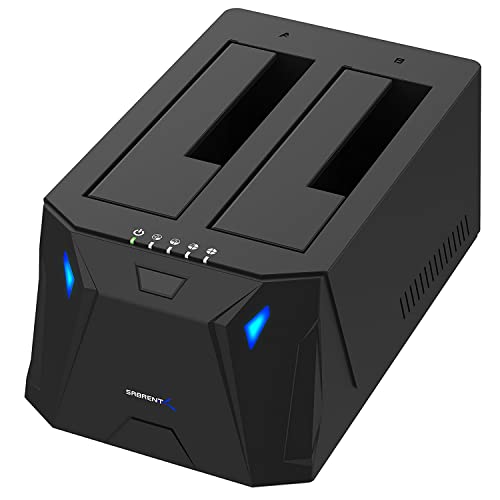
- Dual-bay support for 2.5-inch and 3.5-inch SATA drives
- Offline cloning included for drive-to-drive copying
- Plug-and-play with USB 3.0 speeds up to 5Gbps
Best For: Small offices needing drive access and basic offline cloning
Single-Bay Everyday Dock
SABRENT USB 3.0 to SATA Hard Drive Docking Station
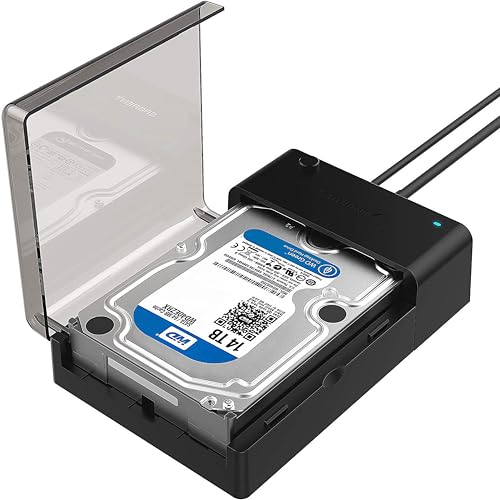
- Supports bare 2.5-inch and 3.5-inch SATA drives
- Includes 12V adapter for stable 3.5-inch operation
- Tool-free, plug-and-play, hot-swap design
Best For: Simple SATA drive access in small offices
USB-C Friendly Dual Dock
WAVLINK USB 3.0 and USB C to SATA Dual-Bay Dock

- Supports both USB 3.0 and USB-C connections
- Dual-bay dock for 2.5-inch and 3.5-inch SATA drives
- Offline cloning and UASP up to 6Gbps
Best For: Modern offices needing USB-C support and drive cloning
Compact Single Dock
SABRENT USB 3.0 to SATA Hard Drive Docking Station
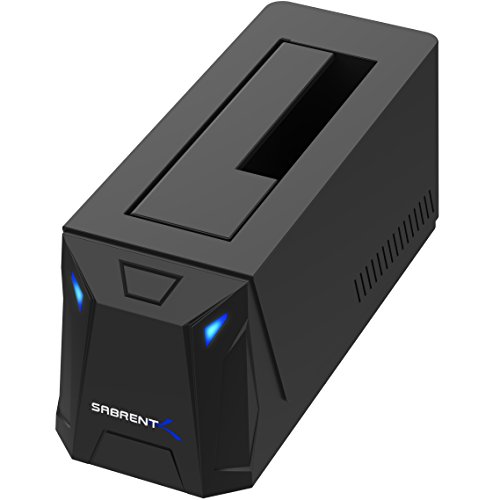
- Compact single-bay dock for one SATA drive
- Includes AC adapter and USB 3.0 UASP support
- LED indicators and auto-sleep for easy use
Best For: Small teams needing a compact powered single-drive dock
2-Bay Cloning Dock with USB Hub
MAIWO 2-Bay SATA HDD/SSD Duplicator

- 2-bay dock supports SATA HDDs and SSDs up to 48TB total
- Offline cloning works without a computer
- Adds 3 USB 3.0 hub ports, including one charging port
Best For: Small offices needing a compact clone dock with extra USB ports
4-Bay Dock for Multi-Drive Workflows
SABRENT 4-Bay USB 3.0 Hard Drive Dock

- Supports up to four 2.5-inch or 3.5-inch SATA drives
- Offline cloning and trayless drive loading simplify use
- USB 3.0 connection offers up to 5Gbps transfer speed
Best For: Teams that need a simple multi-drive dock for backups and cloning
High-Capacity 4-Bay Clone Station
MAIWO 96TB SATA III 4-Bay Dock

- Four bays support up to 96TB total capacity
- 1-to-3 offline cloning handles bulk duplication
- SATA III chipset with UASP is built for faster transfers
Best For: Small businesses needing high-capacity cloning and backup handling
Best with Extra Features
SABRENT EC-CH2B Dual-Bay USB-C Cloner

- Offline cloning without a computer
- Mounts two SATA drives at once
- Includes USB-C cable and hot-swap support
Best For: Small businesses that need easy drive cloning and dual-drive access
Stable Backup Dock
WAVLINK ST341UA Dual-Bay Clone Dock

- Stable bezel design for added drive protection
- Offline cloning with no computer needed
- UASP support and broad OS compatibility
Best For: Small offices that want secure, easy backup and transfer handling
Simple SATA Dock
FIDECO YPZ04-S2 Dual-Bay SATA Dock

- Offline clone support for quick duplication
- Dual-bay access for two SATA drives
- Plug-and-play with Windows, Mac, and Linux
Best For: Teams that need a basic dual-bay dock for routine SATA storage tasks
Dual-Bay Cloning Dock – SABRENT USB 3.0 Dual Bay Hard Drive Docking Station & Cloner
If you need hard drive docking stations for small businesses that can both access and duplicate drives, this dual-bay SABRENT model is a practical choice. It supports 2.5-inch and 3.5-inch SATA HDDs or SSDs, works without drivers, and adds offline cloning for straightforward drive-to-drive copying.
Best For: Small offices that want a dock for everyday drive access plus simple offline cloning.
Pros:
- Dual-bay design supports two SATA drives at once.
- Offline cloning is included for direct drive duplication.
- Plug-and-play operation with no drivers needed.
- Supports up to 20TB capacity and USB 3.0 speeds up to 5Gbps.
Cons:
- Cloning speed is limited to up to 60Mbps.
- Only supports standard SATA 2.5-inch and 3.5-inch drives.
- Not meant for non-SATA formats like M.2 or SAS.
For small-business backup tasks, this dock is especially useful when you want a compact workstation tool that can also clone a spare drive without extra software. It balances utility and simplicity well.
Single-Bay Everyday Dock – SABRENT USB 3.0 to SATA Hard Drive Docking Station
For hard drive docking stations for small businesses that just need a simple way to connect a bare SATA drive, this SABRENT lay-flat dock keeps things focused. It supports 2.5-inch and 3.5-inch SATA HDDs and SSDs, installs without drivers, and includes the AC adapter needed for stable operation.
Best For: Offices that want a basic, single-drive dock for SATA drives only.
Pros:
- Works with SATA I/II/III 2.5-inch and 3.5-inch drives.
- Tool-free, hot-swap design with plug-and-play use.
- Includes a 12V power adapter for 3.5-inch drives.
- USB 3.0 with UASP support for better real-world performance.
Cons:
- Only supports bare SATA drives, not IDE, M.2, SAS, or pre-enclosed drives.
- Uses USB Type-A, so USB-C-only systems need an adapter.
- Single-bay design cannot read two drives at once.
This is a straightforward dock for routine file access, imaging, or quick drive swaps. It is less flexible than dual-bay models, but its simplicity can be an advantage for basic business use.
USB-C Friendly Dual Dock – WAVLINK USB 3.0 and USB C to SATA Dual-Bay Dock
Among hard drive docking stations for small businesses, this WAVLINK unit stands out because it accepts both USB 3.0 and USB-C connections while supporting two SATA drives. It is built for 2.5-inch and 3.5-inch HDDs or SSDs, includes offline cloning, and uses UASP for faster transfers.
Best For: Teams that want a dual-bay SATA dock with USB-C compatibility and cloning.
Pros:
- Supports USB 3.0 and USB-C connectivity.
- Dual-bay design works with two SATA HDDs or SSDs.
- Offline cloning is included up to 60Mbps.
- UASP support allows transfer speeds up to 6Gbps.
Cons:
- Not compatible with M1/M2-based Macs.
- Offline cloning only works from source to target, not online.
- Target drive must be the same size or larger than the source.
For mixed-device workspaces, the USB-C option makes this dock easier to fit into modern setups. Its dual-bay layout and cloning function add value for backup and duplication workflows.
Compact Single Dock – SABRENT USB 3.0 to SATA Hard Drive Docking Station
If you want hard drive docking stations for small businesses in a compact single-drive format, this SABRENT dock is built for straightforward SATA use. It handles 2.5-inch and 3.5-inch SATA HDDs or SSDs, includes the required power adapter, and adds UASP support over USB 3.0.
Best For: Small teams that need a compact, powered dock for one SATA drive at a time.
Pros:
- Supports standard 2.5-inch and 3.5-inch SATA drives up to 20TB.
- Includes the AC adapter needed for operation.
- USB 3.0 with UASP for up to 5Gbps transfer speed.
- LED indicators make drive activity easy to see.
Cons:
- Single-bay design supports only one drive at a time.
- New or blank drives must be initialized before they appear.
- Not compatible with SAS or M.2 drives.
This is a solid fit for routine drive access, especially where a small footprint matters. Its auto-sleep behavior and visible status lights make it easy to use in shared office environments.
2-Bay Cloning Dock with USB Hub – MAIWO 2-Bay SATA HDD/SSD Duplicator
If you need hard drive docking stations for small businesses that can handle backups, file transfers, and quick duplication, this MAIWO 2-bay dock is built for practical day-to-day work. It supports 2.5-inch and 3.5-inch SATA HDDs and SSDs, offers offline cloning, and adds three USB 3.0 hub ports for extra flexibility at the desk.
Best For: Small teams that want a simple 2-bay dock for cloning, backup, and shared USB expansion.
Pros:
- Supports 2.5-inch and 3.5-inch SATA HDDs and SSDs, with up to 48TB total capacity.
- Offline cloning works without connecting to a computer, which is useful for fast drive-to-drive copying.
- USB 3.0 interface offers up to 5Gbps bandwidth for file transfers.
- Includes 3 USB 3.0 hub ports, including one port with 2.4A charging support.
Cons:
- Only two drive bays, so it is less scalable than 4-bay options.
- Uses a USB-B to USB-A cable, which may be less convenient for some modern setups.
This dock makes sense for businesses that want cloning and storage access in one compact device. The added USB hub is a practical bonus for small office workflows, but the two-bay design will fit best when your needs are straightforward rather than high-volume.
4-Bay Dock for Multi-Drive Workflows – SABRENT 4-Bay USB 3.0 Hard Drive Dock
Among hard drive docking stations for small businesses, a 4-bay unit can save time when you manage multiple drives from one place. This SABRENT dock supports up to four 2.5-inch or 3.5-inch SATA HDDs and SSDs, uses a trayless design for easier swapping, and includes offline cloning for direct drive-to-drive copying.
Best For: Small businesses that regularly handle multiple drives and want a straightforward 4-bay dock.
Pros:
- Four-bay design supports multiple SATA HDDs and SSDs from a single dock.
- Offline clone function lets you duplicate drives without a computer.
- Trayless, tool-free insertion keeps setup and maintenance simple.
- USB 3.0 host connection supports file transfers up to 5Gbps and works with USB 2.0 systems.
Cons:
- Does not include the extra USB hub features found on some competing docks.
- Best suited to desktop or laptop setups, so it is not designed for mobile use.
This is a practical pick if your workflow involves swapping, backing up, or cloning several drives at once. It keeps things simple with plug-and-play operation and a stable external power adapter, making it a solid utility dock for office storage tasks.
High-Capacity 4-Bay Clone Station – MAIWO 96TB SATA III 4-Bay Dock
If you need hard drive docking stations for small businesses with more room to grow, this MAIWO 4-bay cloner is built for high-capacity storage and faster handling. It supports 2.5-inch and 3.5-inch SATA HDDs and SSDs, offers 1-to-3 offline cloning, and uses a SATA III chipset with UASP to improve transfer performance.
Best For: Small businesses that want a high-capacity 4-bay dock for cloning, backups, and bulk data work.
Pros:
- Four bays support up to 96TB total capacity, with 24TB per bay.
- 1-to-3 offline cloning can copy one source drive to three targets without a computer.
- SATA III chipset with UASP is designed to improve transfer speed versus SATA II.
- Includes USB-C to USB-C and USB-C to USB-A cables for wider compatibility.
Cons:
- Target drives must be larger than the source drive for offline cloning.
- Only one USB port is listed, so it is more focused on storage than hub expansion.
This dock is the most capable option in the group for larger storage jobs and repeated cloning tasks. The higher-capacity design and faster chipset make it a better fit when your small business expects heavier data movement rather than just occasional drive access.
Best with Extra Features – SABRENT EC-CH2B Dual-Bay USB-C Cloner
If you want hard drive docking stations for small businesses that can both copy drives and mount them for everyday file access, the SABRENT EC-CH2B is a flexible pick. It supports two SATA drives at once, works with 2.5-inch and 3.5-inch HDDs/SSDs, and includes offline cloning so you can duplicate a drive without connecting to a computer.
Best For: Small teams that need a simple dual-bay dock for drive duplication and dual-drive access.
Pros:
- Offline 1-to-1 cloning works without a PC
- Reads and writes two drives at once over USB
- Tool-free, hot-swappable design with per-bay access LEDs
- USB-C cable included in the box
Cons:
- Only supports SATA drives, not IDE/PATA or M.2/NVMe
- Offline cloning is limited to up to 60MBps by design
- Uses a USB-C dock-end cable, so some setups may need an adapter cable
This is a practical choice if your workflow includes both active drive use and occasional drive-to-drive cloning. Its strengths are convenience and versatility, while the main limitation is the SATA-only design.
Stable Backup Dock – WAVLINK ST341UA Dual-Bay Clone Dock
Among hard drive docking stations for small businesses, the WAVLINK ST341UA stands out for straightforward backup and transfer work. It supports two SATA HDDs or SSDs in 2.5-inch and 3.5-inch sizes, adds offline clone support, and uses a fixed bezel design aimed at keeping drives secure during use.
Best For: Office backup stations that benefit from stable drive mounting and simple cloning.
Pros:
- Supports 2.5-inch and 3.5-inch SATA drives up to 2x20TB
- Offline clone mode for computer-free duplication
- UASP support for faster transfers than standard USB 3.0
- Tool-free, hot-swappable, plug-and-play operation
Cons:
- Only works with SATA drives
- Offline cloning requires the target disk to be the same size or larger
- Plastic enclosure may feel less rugged than metal alternatives
This dock is a solid fit for business users who want a simple, secure-feeling way to back up or move data between drives. The included adapters and broad OS support make it easy to drop into a mixed workstation setup.
Simple SATA Dock – FIDECO YPZ04-S2 Dual-Bay SATA Dock
The FIDECO YPZ04-S2 is a straightforward option if you need hard drive docking stations for small businesses without extra complexity. It supports two SATA HDDs or SSDs at once, offers USB 3.0 speeds up to 5Gbps, and includes offline cloning for quick drive duplication without using a computer.
Best For: Small teams that want a basic, plug-and-play dual-bay dock for everyday SATA drive work.
Pros:
- Supports two 2.5-inch or 3.5-inch SATA drives simultaneously
- Offline clone function works without a computer
- Plug-and-play setup with no driver needed
- Broad compatibility with Windows, Mac OS, and Linux
Cons:
- Only supports SATA HDDs and SSDs
- USB 3.0 transfer speed tops out at 5Gbps
- New drives need initialization before they are recognized
This dock makes sense for businesses that need a no-frills way to access, copy, and manage bare drives. It covers the essentials well, especially if you value simple setup and offline cloning over advanced features.
How We Picked the Best Hard Drive Docking Stations for Small Businesses
We prioritized docks that suit real business workflows: reliable SATA support, broad drive compatibility, stable power delivery, and simple operation. For Hard Drive Docking Stations for Small Businesses, the best models balance speed, ease of use, and the ability to handle routine backup or migration tasks without specialized tools.
Quick Comparison
Dual-bay models are ideal for most small offices because they keep costs down while still supporting cloning and drive access. Four-bay units are better when you regularly manage multiple drives, rotating backups, or larger archives. USB-C is a plus for newer laptops and desktops, while USB 3.0 remains a solid choice for broad compatibility.
Key Buying Factors for Hard Drive Docking Stations for Small Businesses
Drive Size and Type
Confirm support for both 2.5-inch and 3.5-inch SATA HDDs and SSDs if you work with mixed media. If your team uses older drives, ensure the dock supports SATA I/II/III for maximum compatibility.
Number of Bays
Two bays are usually enough for cloning, disk imaging, and transfer work. Four bays make more sense if you need to stage multiple drives at once or build a simple local backup workflow.
Connectivity and Speed
USB 3.0 is sufficient for most office needs, but USB-C can improve convenience with modern systems. UASP support can help improve transfer efficiency when paired with compatible hardware.
Offline Cloning and Power
If you frequently duplicate drives, offline cloning saves time and keeps the process independent of a computer. A stable external power adapter is important for 3.5-inch HDDs and heavier workloads.
Extra Features
Built-in hubs, status indicators, and tool-free trays can improve day-to-day usability, but they should not come at the expense of core reliability.
Who Should Buy Which Hard Drive Docking Stations for Small Businesses?
If you need a simple office backup and transfer dock, a basic dual-bay USB 3.0 model is usually the best value. If your team works across newer laptops and docks frequently, choose a USB-C option for convenience. If you handle frequent migrations, choose an offline cloning dock. For larger storage operations or multiple-drive rotation, a four-bay station is the most practical upgrade.
In short, the best Hard Drive Docking Stations for Small Businesses are the ones that match your workflow first, then add speed and extra features only where they truly help.