The best handheld field recorders make it easier to capture clear audio away from a studio. These 10 options cover compact stereo recording, creator workflows, multitrack production, and professional microphones.
Use the comparison and buying advice below to choose the right balance of microphone quality, inputs, portability, recording format, and price for your work.
Best 10 Handheld Field Recorders Picks for 2026
Versatile Multitrack Pick

- 32-bit float, four-track recording
- Two XLR/TRS inputs
- USB-C recording with SD backup
Best For: Musicians and creators needing flexible multitrack recording
Adjustable-Mic Field Pick

- Adjustable AB/XY stereo microphones
- 32-bit float and MP3 support
- Up to 17.5-hour battery operation
Best For: Field recording, video audio, meetings, and podcasting
Compact Content Pick

- Lightweight 92-gram design
- X/Y stereo mics with 32-bit float
- USB-C microphone mode
Best For: Portable content, interviews, rehearsals, and ambience
Simple Omnidirectional Pick

- 32-bit float and MP3 recording
- Omnidirectional mics up to 125dB SPL
- 2-in/2-out USB-C interface
Best For: Straightforward stereo recording for voice, music, and video
Flagship 32-Bit Field Recorder

- Large 19.4mm X/Y stereo microphones
- Clip-free 32-bit float recording
- Up to four-track, 192kHz WAV recording
Best For: Filmmakers and musicians needing detailed, flexible location recording
Flexible 4-Channel Recorder
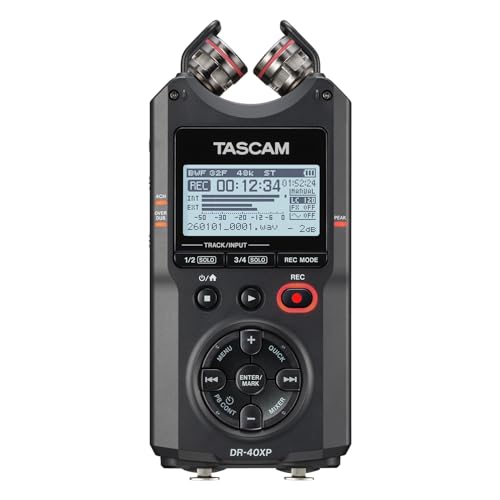
- Adjustable A-B or X-Y stereo microphones
- Four-channel recording with external inputs
- USB-C 2-in/2-out audio interface
Best For: Creators recording music, interviews, and video audio
Interchangeable-Capsule Classic
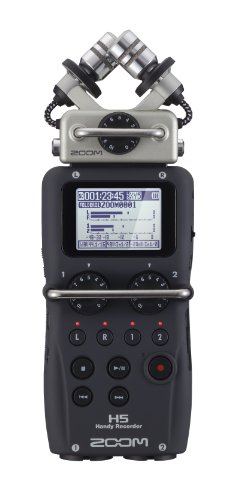
- Swappable Zoom input capsules
- Shock-mounted X/Y microphone capsule
- Four-track recording with two XLR/TRS inputs
Best For: Filmmakers and musicians wanting a flexible compact recorder
Versatile Starter
Xvive XV1-R Portable Stereo Recorder

- 32-bit float stereo recording with X/Y microphones
- WAV up to 96 kHz plus space-saving AAC
- USB microphone mode and compact 6.4-ounce design
Best For: Portable stereo recording, podcasts, speeches, and voice memos
Pattern-Flexible Pick
Zoom H2 Essential Handheld Recorder

- Three built-in microphones with nine recording patterns
- 32-bit float/96 kHz recording without manual gain setting
- USB microphone use with simultaneous SD recording
Best For: Flexible interviews, soundscapes, podcasts, and accessible recording
Multitrack Workhorse
Zoom H6 Essential Handheld Recorder

- Six-track 32-bit float recording for multiple sources
- Four XLR/TRS inputs plus built-in X/Y microphones
- Interchangeable capsules and USB audio-interface mode
Best For: Bands, film crews, live events, and multitrack recording
Versatile Multitrack Pick – Zoom H4 Essential
For musicians, podcasters, and filmmakers comparing handheld field recorders, the Zoom H4 Essential stands out when you need more inputs and multitrack flexibility. Its built-in stereo microphones, two XLR/TRS inputs, 32-bit float recording, and four-track capability support everything from interviews to live performances.
Best For: Creators recording music, interviews, podcasts, or video audio with external microphones or instruments.
Pros:
- 32-bit float recording helps provide clip-free audio.
- Four-track recording supports larger projects.
- Built-in stereo mics plus two XLR/TRS inputs offer flexible setups.
- Can record through USB-C while saving a backup to an SD card.
Cons:
- Uses two AA batteries and has a listed recording time of about 10 hours.
- Its expanded controls may be more than casual users need.
The H4 Essential is a strong choice when a compact recorder needs to handle both built-in-mic recording and more advanced external-gear setups. Spoken menu guidance is an additional usability benefit.
Adjustable-Mic Field Pick – TASCAM DR-07XP
The TASCAM DR-07XP is a practical option among handheld field recorders when adjustable stereo microphones and long battery life matter. Its AB/XY condenser microphones, 32-bit float support, and USB-C interface make it suitable for music, meetings, video audio, and podcasting.
Best For: Users who want adjustable stereo capture, multiple recording formats, and up to 17.5 hours of operation.
Pros:
- Adjustable AB/XY microphones handle sources up to 125dB SPL.
- Supports 32-bit float, 24-bit, 16-bit, and MP3 recording.
- Works as a 2-in/2-out USB-C audio interface.
- Supports microSD, microSDHC, and microSDXC cards up to 512GB.
Cons:
- Memory card and batteries are sold separately.
- It uses a 3.5mm external microphone input rather than XLR inputs.
Choose the DR-07XP if you value microphone positioning and extended portable use more than XLR connectivity. Its broad format support also makes it adaptable for different recording workflows.
Compact Content Pick – Zoom H1 Essential
The Zoom H1 Essential is a lightweight choice for handheld field recorders when portability and simple stereo capture are priorities. Its X/Y microphones, 32-bit float recording, and USB-C microphone mode cover content creation, interviews, music sessions, and everyday sound gathering.
Best For: Content creators, students, and musicians who need a small recorder for voice, ambience, rehearsals, and video work.
Pros:
- Compact 92-gram design is easy to carry.
- X/Y stereo microphones capture voices, music, and ambient sound.
- 32-bit float recording helps reduce concerns about clipped takes.
- USB-C microphone mode supports calls, livestreams, and voiceovers.
Cons:
- Uses two AAA batteries and lists about 10 hours of recording time.
- It does not provide the XLR/TRS inputs found on larger recorders.
The H1 Essential makes the most sense for users who want a straightforward, pocket-friendly recorder rather than a multitrack production hub. Its USB microphone mode adds useful desktop and mobile flexibility.
Simple Omnidirectional Pick – TASCAM DR-05XP
The TASCAM DR-05XP is a straightforward option among handheld field recorders for stereo music, voice, meetings, and video audio. Its built-in omnidirectional condenser microphones, 32-bit float recording, MP3 support, and USB-C audio interface provide a practical all-purpose setup.
Best For: Users seeking simple stereo recording with flexible file formats and extended battery operation.
Pros:
- 32-bit float, 24-bit, 16-bit, and MP3 recording options support varied workflows.
- Omnidirectional microphones handle sources up to 125dB SPL.
- Functions as a 2-in/2-out USB-C audio interface.
- Offers up to 17.5 hours of operation with two AA alkaline batteries.
Cons:
- SD card and batteries are not included.
- Built-in microphones are less position-flexible than the DR-07XP’s adjustable design.
The DR-05XP is a sensible fit when you want the core recording features without stepping up to external XLR inputs. It is especially useful for general stereo capture, voice work, and direct computer recording.
Flagship 32-Bit Field Recorder – Zoom H5 Studio
The Zoom H5 Studio is a strong choice among handheld field recorders for filmmakers and musicians who want detailed stereo capture, clip-free recording, and hands-on level control. Its large 19.4mm X/Y microphones, 32-bit float recording, and portable battery-powered design suit demanding location work.
Best For: Filmmakers and musicians who need high-resolution, portable recordings with flexible inputs.
Pros:
- Large stereo microphones deliver rich, detailed audio with a wide dynamic range.
- 32-bit float recording helps protect takes from clipping.
- Dedicated gain knobs provide quick, precise level adjustments.
- Records up to four tracks simultaneously at up to 192kHz in WAV format.
Cons:
- Requires four AA batteries.
- The feature set may be more than casual users need.
With its large built-in microphones, F-Series preamps, two XLR/TRS inputs, and USB audio interface, the H5 Studio is a versatile premium option for field production and multi-track recording.
Flexible 4-Channel Recorder – TASCAM DR-40XP
The TASCAM DR-40XP is a versatile option among handheld field recorders, combining adjustable stereo microphones, four-channel recording, and 32-bit float capture. It is designed for music, interviews, and video workflows, while also working as a USB-C audio interface.
Best For: Creators who want built-in mic flexibility, external inputs, and direct computer or mobile recording.
Pros:
- Adjustable A-B or X-Y condenser microphones support varied stereo recording setups.
- Four-channel recording can combine built-in microphones with external inputs.
- 32-bit float recording helps produce clip-free audio.
- USB-C interface supports 2-in/2-out computer or compatible mobile recording.
Cons:
- microSD card and batteries are not included.
- Built-in microphones are rated for up to 125 dB SPL.
Its adjustable microphones, two XLR/TRS inputs, low-noise HDDA preamps, and long battery-life design make the DR-40XP a practical all-around recorder for creators working in changing environments.
Interchangeable-Capsule Classic – Zoom H5 4-Track Recorder
The Zoom H5 remains a flexible pick among handheld field recorders for filmmakers and musicians who value interchangeable microphones and straightforward four-track recording. Its detachable shock-mounted X/Y capsule, two combo inputs, and USB interface support both location capture and computer-based workflows.
Best For: Users who want a compact recorder with replaceable input capsules and external mic connectivity.
Pros:
- Interchangeable capsule system allows microphone setup changes.
- Shock-mounted X/Y microphones help reduce handling noise.
- Records four tracks simultaneously through built-in and external inputs.
- Offers selectable phantom power, a -20dB pad, and multichannel USB audio.
Cons:
- Records to SD or SDHC cards up to 32GB.
- Battery life is listed at up to 10 hours and requires two batteries.
The H5 is a practical, established choice for audio-for-video and music recording, especially when capsule flexibility and two XLR/TRS inputs matter more than newer recording features.
Versatile Starter – Xvive XV1-R Portable Stereo Recorder
The Xvive XV1-R is a compact option for shoppers comparing handheld field recorders for concerts, speeches, ambient audio, podcasts, and everyday voice capture. Its 32-bit float recording reduces the need for gain adjustments, while the built-in X/Y microphones and USB microphone mode support both standalone and computer-based workflows.
Best For: Musicians, podcasters, filmmakers, and users who want a lightweight recorder with flexible WAV, AAC, and USB microphone functions.
Pros:
- 32-bit float recording helps prevent distortion from incorrect gain settings.
- X/Y microphones capture audio up to 130 dB SPL without distortion.
- Supports WAV up to 96 kHz, AAC recording, auto-record, and pre-record features.
- Works as a USB microphone with computers, tablets, and smartphones.
Cons:
- No headphone jack is listed in the supplied specifications.
- Uses two AA batteries and has a maximum listed battery life of 12 hours.
- Files are automatically split when reaching the 4GB maximum file size.
The XV1-R is a practical, portable choice when you want straightforward stereo recording plus compressed AAC storage and USB connectivity. Its smaller feature set makes it better suited to stereo capture than multitrack production.
Pattern-Flexible Pick – Zoom H2 Essential Handheld Recorder
The Zoom H2 Essential stands out among handheld field recorders for its three built-in microphones and nine selectable recording patterns. It records clip-free 32-bit float audio at up to 96 kHz, making it suitable for situations where sound levels may change quickly and gain adjustment is inconvenient.
Best For: Journalists, podcasters, musicians, filmmakers, and accessible recording setups that need adaptable mono, stereo, or surround capture.
Pros:
- Three microphones and nine patterns provide broad recording flexibility.
- 32-bit float recording reduces concern about clipping and manual gain changes.
- Can operate as a USB microphone while recording a backup to an SD card.
- Offers Bluetooth timecode synchronization and audible menu navigation in seven languages.
Cons:
- Its 1.3-inch screen is smaller than the display listed for the H6 Essential.
- Requires two AA batteries.
- Advanced pattern and synchronization features may be more than casual users need.
The H2 Essential is a strong choice for users who value recording-pattern options and clip-free capture in a small body. Simultaneous USB operation and SD backup add useful reliability for interviews, content creation, and live work.
Multitrack Workhorse – Zoom H6 Essential Handheld Recorder
The Zoom H6 Essential is designed for buyers who need more than stereo capture from handheld field recorders. It combines built-in X/Y microphones with four XLR/TRS combo inputs and six-track 32-bit float recording, giving musicians, filmmakers, and live-event crews room to record multiple sources independently.
Best For: Bands, filmmakers, interview crews, and anyone recording several microphones or instruments at the same time.
Pros:
- Six-track 32-bit float recording helps preserve distortion-free takes across multiple sources.
- Four XLR/TRS combo inputs support vocals, instruments, and other external microphones.
- Built-in X/Y microphones handle sound levels up to 135 dB SPL.
- Interchangeable capsule system and USB audio-interface mode expand its workflow options.
Cons:
- At 450 g, it is substantially heavier than the supplied H2 Essential and Xvive specifications.
- Requires four AAA batteries.
- Optional capsules may be needed for specialized recording patterns.
The H6 Essential is the most capable choice in this group for multitrack work and external microphone connectivity. It is a better fit for complex sessions than simple field notes, especially when six-track recording and XLR inputs matter.
How We Picked These Handheld Field Recorders
We selected models suited to common field-recording needs, including music, filmmaking, podcasting, interviews, rehearsals, and general content creation. The lineup includes compact recorders for quick stereo capture as well as more capable units with XLR/TRS inputs, multitrack support, and USB-C connectivity.
We focused on practical features: microphone arrangement, input flexibility, 32-bit float support, monitoring, battery-friendly portability, file formats, and ease of transferring or using recordings with a computer. Because the best choice depends on the job, this list includes both entry-level and expandable designs rather than treating one recorder as ideal for everyone.
Quick Comparison
| Best For | What to Look For |
|---|---|
| Everyday voice notes and simple recordings | Small size, built-in stereo microphones, straightforward controls |
| Music and ambient sound | Adjustable or higher-quality microphone capsules and WAV recording |
| Filmmaking and interviews | Headphone monitoring, reliable levels, external microphone inputs |
| Professional multi-source recording | Multiple XLR/TRS inputs, multitrack capability, and strong preamps |
| Computer-based workflows | USB-C audio-interface mode and convenient file management |
Key Buying Factors for Handheld Field Recorders
Microphones and Pickup Pattern
Built-in X/Y microphones are useful for focused stereo recording, while adjustable microphone pairs can provide more control over width and placement. Consider whether you will mostly record a single source, a room, live music, or interviews.
32-Bit Float Recording
32-bit float can provide valuable protection against recording levels that are set too low or too high, especially during unpredictable events. It does not replace good microphone placement, and it may require a compatible editing workflow, but it is helpful for filmmakers, reporters, and live sound capture.
Inputs and Track Count
Choose a compact stereo model for built-in microphones and occasional external sources. If you need professional microphones, instruments, or several people recorded separately, prioritize XLR/TRS inputs, phantom power, and four- or six-track operation.
Portability and Power
Check dimensions, battery type, controls, wind protection options, and whether the recorder can be mounted to a camera or tripod. A recorder that is easy to carry and operate is often more useful than a larger model with features you rarely need.
Connectivity and Monitoring
USB-C interface functionality can reduce the need for a separate computer microphone. Headphone output, low-latency monitoring, and a clear display also matter when recording in noisy or time-sensitive environments.
Who Should Buy Which Handheld Field Recorders?
Choose a compact stereo recorder if you want quick voice notes, meetings, rehearsals, ambient sound, or simple social content. These models are easier to carry and faster to set up.
Choose an adjustable-microphone model if you record music, sound effects, or changing environments and want more control over stereo imaging.
Choose a recorder with XLR/TRS inputs for filmmaking, interviews, podcasts, live performance, or any setup using external microphones and instruments. Higher-input models are especially worthwhile when you need isolated tracks or room to expand.
Choose 32-bit float and USB-C interface support if you frequently work in unpredictable locations or want one device that can handle both mobile recording and computer-based production. Before buying, confirm the included accessories and your preferred memory-card, battery, and editing requirements.