The best field recorders make it easier to capture clear audio away from a studio, whether you are recording music, interviews, film production, podcasts, or environmental sound.
This roundup compares 10 capable models, from compact stereo recorders to multitrack units with professional inputs, so you can match features and workflow to your projects.
Best 10 Field Recorders Picks for 2026
Professional Safety Net

- 32-bit float recording for clip-free capture
- Dual locking XLR/TRS inputs
- Low-noise preamps and flexible power options
Best For: Filmmakers and location recordists needing dependable external-mic recording
Everyday Stereo Versatility

- Built-in stereo microphones support up to 125 dB SPL
- 32-bit float, WAV, MP3, and other recording modes
- 2-in/2-out USB-C audio interface
Best For: Handheld recording for music, meetings, podcasts, and video
Connected Creator Choice

- Two XLR/TRS combo inputs
- 32-bit float recording up to 96kHz
- OLED waveform display and SDXC support up to 1TB
Best For: Filmmakers, musicians, and podcasters using external microphones
Simple Stereo Capture

- Built-in X/Y microphones with 32-bit float recording
- USB microphone support for computers and mobile devices
- Audio guidance for visually impaired users
Best For: Lightweight stereo recording with minimal setup and accessible controls
Versatile Filmmaker Pick
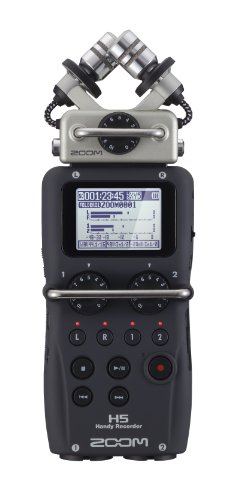
- Interchangeable capsule system
- Four-track recording with two XLR/TRS inputs
- USB audio interface for computer or iPad
Best For: Filmmakers and musicians needing flexible portable inputs
Clip-Free Workflow Pick
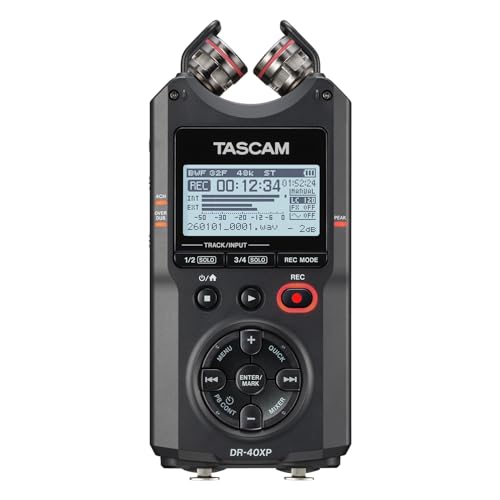
- 32-bit float recording
- Adjustable A-B or X-Y stereo microphones
- Four-channel recording and USB-C interface
Best For: Creators handling music, interviews, and location audio
Compact Content Pick
- 32-bit float stereo recording
- Built-in X/Y microphones
- USB-C microphone mode for calls and streaming
Best For: Creators needing simple portable stereo recording
Professional Production Pick
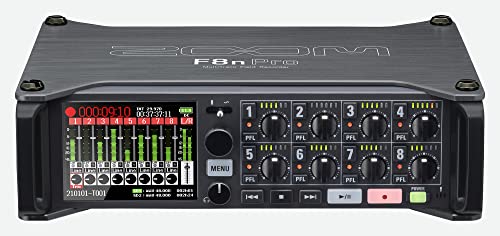
- 8 inputs and 10-track recording
- 32-bit float capture and high-gain preamps
- Dual SD slots with accurate timecode
Best For: Professional film and location sound
Versatile Creator Pick

- Built-in stereo mics and two XLR/TRS inputs
- 32-bit float, four-track recording
- USB-C use with simultaneous SD backup
Best For: Music, podcasts, interviews, and video audio
Portable Soundscape Pick

- Three mics with nine selectable patterns
- 32-bit float recording without gain adjustment
- USB microphone mode and SD backup
Best For: Portable interviews, podcasts, and soundscapes
Professional Safety Net – Zoom F3 Field Recorder
For demanding field recorders work, the Zoom F3 prioritizes clip-free capture and dependable connections. Its 32-bit float recording, dual locking XLR/TRS inputs, and ultra-low-noise preamps make it a strong fit for filmmaking, location sound, and serious music recording.
Best For: Run-and-gun filmmakers, location recordists, and musicians who need reliable audio in unpredictable conditions.
Pros:
- 32-bit float recording helps capture quiet dialogue and sudden peaks without constant level adjustments.
- Dual locking XLR/TRS inputs help keep microphone connections secure.
- Flexible battery-powered and USB workflows support long recording sessions.
- Supports up to 512 GB of microSD storage and up to 73 hours of digital recording time.
Cons:
- Requires external microphones for most professional recording setups.
- Uses two AA batteries, which must be replaced or recharged during extended field use.
The F3 is a compact, purpose-built choice when recording reliability matters more than built-in microphone convenience. Its locking inputs and 32-bit float workflow make it especially practical for unattended or fast-moving setups.
Everyday Stereo Versatility – TASCAM DR-05XP Recorder
The TASCAM DR-05XP is a straightforward handheld option for field recorders users who want built-in stereo microphones and multiple recording formats. It supports 32-bit float, 24-bit, 16-bit, and MP3 recording, while also working as a USB-C audio interface.
Best For: Music, meetings, dictation, podcasting, and audio-for-video recording with a simple handheld setup.
Pros:
- Built-in omnidirectional condenser microphones handle sources up to 125 dB SPL.
- Offers 32-bit float, 24-bit, 16-bit, WAV, and MP3 recording options.
- Functions as a 2-in/2-out USB-C audio interface.
- Provides roughly 17 to 17.5 hours of operation with two AA alkaline batteries.
Cons:
- SD card and batteries are not included.
- Built-in microphones may be less suitable than external microphones for specialized location work.
Choose the DR-05XP when ease of use and flexible applications are more important than locking professional inputs. Its stereo microphones and USB-C interface give it broad usefulness for everyday recording and computer-based workflows.
Connected Creator Choice – Zoom H1 XLR Recorder
The Zoom H1 XLR gives field recorders users a compact way to connect microphones, instruments, and other sources. Two XLR/TRS combo inputs, 32-bit/96kHz recording, and an OLED waveform display make it useful for filmmakers, musicians, and podcasters who want hands-on monitoring.
Best For: Creators who need two external inputs, visual level feedback, and flexible connections for cameras, computers, or mobile devices.
Pros:
- Two XLR/TRS combo inputs accommodate microphones and instruments.
- 32-bit float recording at up to 96kHz supports detailed, clip-resistant capture.
- OLED waveform display provides an at-a-glance view of recording levels.
- Supports SDXC cards up to 1TB and includes 3.5mm stereo input and headphone output.
Cons:
- Battery life is listed at about 10 hours, shorter than some larger recording sessions may require.
- Requires external microphones for most recording applications.
The H1 XLR is a flexible middle ground for creators who want professional-style inputs without moving to a larger recorder. Its display and connection options are particularly helpful when monitoring a compact production rig.
Simple Stereo Capture – Zoom H1essential Recorder
The Zoom H1essential is one of the simplest field recorders for capturing stereo sound on the move. Its built-in X/Y microphones, 32-bit float recording, USB-C microphone mode, and audio guidance function make it a practical choice for portable recording and accessible workflows.
Best For: Quick stereo recording, portable interviews, ambient sound, and users who value USB connectivity or audio guidance.
Pros:
- 32-bit float recording reduces the need to set gain before recording.
- Built-in X/Y microphones capture stereo audio up to 120 dB SPL.
- Works as a USB microphone with PC, Mac, iOS, and Android devices.
- Audio guidance supports visually impaired users.
Cons:
- It has no headphone jack for direct headphone monitoring.
- The listed digital recording time is 120 minutes.
- Its 90-day limited warranty is shorter than the warranties listed for the other recorders.
The H1essential is best when minimal setup and built-in stereo recording are the priority. It is lightweight at 3.2 ounces and convenient for quick captures, though the lack of a headphone jack limits monitoring options.
Versatile Filmmaker Pick – Zoom H5
The Zoom H5 is one of the more adaptable field recorders for filmmakers and musicians. Its interchangeable capsule system, four-track recording, and two XLR/TRS inputs make it practical for both portable stereo capture and external microphones.
Best For: Filmmakers, musicians, and creators who need flexible inputs and an audio interface in a battery-powered recorder.
Pros:
- Interchangeable input capsules, including the detachable shock-mounted XYH-5 capsule
- Four-track simultaneous recording with two XLR/TRS combo inputs
- Selectable phantom power, -20dB pads, and an audio safety net help accommodate varied recording setups
- Works as a multichannel or stereo USB audio interface for PC, Mac, and iPad
Cons:
- SD/SDHC storage is limited to cards up to 32GB
- Requires two batteries, and the included capsule may not suit every recording scenario
The H5 stands out when expandability matters. It is a strong choice for users who want more input flexibility than a basic stereo recorder while retaining a compact, portable design.
Clip-Free Workflow Pick – TASCAM DR-40XP
The TASCAM DR-40XP is a capable option for field recorders users who want added headroom and flexible channel routing. Its 32-bit float recording, adjustable stereo microphones, and four-channel design suit music, interviews, and audio-for-video work.
Best For: Musicians, video creators, and location recordists who want 32-bit float capture and simultaneous built-in and external inputs.
Pros:
- 32-bit float recording is designed for clip-free capture
- Adjustable A-B or X-Y condenser microphones support different stereo recording approaches
- Four-channel recording can combine the built-in microphones with external inputs
- Includes a 2-in/2-out USB-C audio interface and supports recording up to 96 kHz
Cons:
- microSD card and batteries are not included
- Its larger feature set may be more than needed for simple stereo voice notes
Choose the DR-40XP if recording flexibility and 32-bit float capability are priorities. The adjustable microphones and USB-C connectivity make it especially useful across changing production environments.
Compact Content Pick – Zoom H1 Essential
The Zoom H1 Essential is a straightforward choice among field recorders for creators who need clear stereo sound in a small package. Its X/Y microphones, 32-bit float recording, and USB-C microphone mode cover content creation, interviews, ambience, and remote calls.
Best For: Podcasters, musicians, and content creators who want an easy-to-carry stereo recorder that can also work as a USB microphone.
Pros:
- 32-bit float recording provides clip-free audio capture
- Built-in X/Y stereo microphones suit voices, music, ambience, and room tone
- USB-C microphone mode supports livestreams, calls, voiceovers, and desktop or mobile recording
- Runs for up to 10 hours on two AAA batteries
Cons:
- It is a stereo recorder rather than a multitrack model with XLR inputs
- Two AAA batteries are required
The H1 Essential is a practical pick for quick, high-quality stereo recording without a complicated setup. Its USB microphone mode adds useful versatility for creators who move between portable and desktop workflows.
Professional Production Pick – Zoom F8n Pro
For demanding film and field audio work, the Zoom F8n Pro is a production-focused choice among field recorders. Its eight inputs, 10-track recording, 32-bit float capture, and dual SD slots are designed for complex shoots where clean, synchronized recordings matter.
Best For: Professional filmmakers, location sound teams, and multitrack field recording.
Pros:
- Eight-channel, 10-track recording with 32-bit float and dual AD converters for clip-free capture.
- High-gain preamps with up to 75dB of gain and -127dBu EIN.
- Accurate 0.2ppm timecode helps keep recordings aligned with video.
- Dual SD slots support redundant recording, and it can operate as an 8-in/4-out USB interface while recording to card.
Cons:
- Its 1.8 kg weight and production-oriented design are less convenient for casual handheld use.
- Battery life is listed at approximately 8.5 hours.
The F8n Pro is the most capable option here for larger crews and multi-microphone setups. Choose it when timecode, track count, preamp performance, and recording redundancy are more important than portability.
Versatile Creator Pick – Zoom H4 Essential
The Zoom H4 Essential is a practical handheld option for field recorders who need built-in microphones plus flexible connectivity. It combines 32-bit float recording with two XLR/TRS inputs, making it suitable for interviews, music, podcasts, video audio, and live performances.
Best For: Musicians, podcasters, filmmakers, and creators recording with built-in or external microphones.
Pros:
- Built-in stereo microphones provide a ready-to-use recording setup.
- Two XLR/TRS inputs accommodate external microphones, instruments, mixers, or soundboards.
- 32-bit float recording helps avoid distorted takes across varied volume levels.
- USB-C connectivity supports recording or streaming while also saving a backup to SD card.
Cons:
- It records up to four tracks, fewer than the F8n Pro.
- It requires two AA batteries.
For creators who want a straightforward handheld recorder with room to connect professional gear, the H4 Essential offers a strong balance of flexibility and ease of use. Spoken menu guidance is also a helpful accessibility feature.
Portable Soundscape Pick – Zoom H2 Essential
The Zoom H2 Essential is a compact choice for field recorders who want flexible microphone coverage without carrying external microphones. Its three built-in microphones offer nine selectable patterns, while 32-bit float recording simplifies capture for interviews, podcasts, music, and wide stereo soundscapes.
Best For: Journalists, podcasters, musicians, and portable ambient or stereo recording.
Pros:
- Three built-in microphones and nine patterns support mono, stereo, and surround recording.
- 32-bit float capture lets you record without continually adjusting gain.
- It can function as a USB microphone while recording a backup to SD card.
- Bluetooth support enables wireless control and timecode syncing of multiple H2 Essential units.
Cons:
- It does not provide the XLR/TRS inputs found on the H4 Essential.
- The smaller 1.3-inch screen may offer less on-device viewing space.
- It requires two AA batteries.
The H2 Essential stands out when portability and microphone-pattern flexibility are the priority. It is especially well suited to solo creators and ambient recording, while USB operation and accessible spoken menus add everyday convenience.
How We Picked the Best Field Recorders
We focused on recording flexibility, sound quality, portability, controls, connectivity, and value. The selection includes compact handheld models for quick stereo capture, recorders with XLR or TRS inputs for microphones and instruments, and higher-channel systems designed for film sets or multitrack music production.
We also considered practical features such as 32-bit float recording, onboard microphones, USB audio-interface operation, storage support, battery convenience, and input monitoring. These features can matter more in the field than headline specifications alone.
Quick Comparison
| Best For | What to Look For |
|---|---|
| Quick voice notes and stereo recording | Compact design, built-in microphones, simple controls |
| Interviews and content creation | Reliable headphone monitoring, USB connectivity, microphone inputs |
| Musicians and small productions | Multiple inputs, overdubbing or multitrack capability, sturdy construction |
| Film and professional field work | Low-noise preamps, time-saving workflow features, more inputs and tracks |
Key Buying Factors for Field Recorders
Recording Format and Headroom
32-bit float recording can protect against many gain-setting mistakes by preserving usable detail when levels change unexpectedly. It is especially useful for unpredictable dialogue, live events, and location sound, although it does not replace good microphone placement or a quiet recording environment.
Inputs and Microphones
Built-in X/Y or stereo microphones are convenient for ambient sound and fast setups. XLR/TRS inputs offer greater flexibility with professional microphones, balanced cables, instruments, and external mixers. Count the inputs you need now, then consider whether your setup may grow.
Portability and Power
A smaller recorder is easier to carry and deploy, while larger units may provide better controls, more channels, and stronger mounting or connectivity options. Check battery type, expected runtime, SD-card compatibility, wind protection, and whether the recorder can operate as a USB audio interface.
Monitoring and Workflow
Look for a clear display, accessible level controls, dependable headphone monitoring, and easy file transfer. For film work, features such as multiple outputs, track arming, and channel routing can save time on location.
Who Should Buy Which Field Recorders?
Choose a compact stereo recorder if you value speed, portability, and simple ambient or voice recording. A model with 32-bit float is a strong choice for beginners and unpredictable sources. Pick a recorder with XLR/TRS inputs if you use external microphones, instruments, or want to create a more flexible podcasting setup.
Musicians and small crews should prioritize multitrack capability and sufficient inputs for the microphones they already own. For professional film production or larger location sessions, step up to a recorder with more inputs, tracks, robust routing, and quieter preamps. The best option is the one that supports your actual microphone setup without adding unnecessary size, cost, or complexity.