Looking for drawing tablets with tilt support that feel natural, responsive, and suited to your workflow? The right model can improve shading control, line variation, and overall sketching comfort.
Below, we’ve rounded up 10 strong picks for beginners, hobbyists, and working artists, with options ranging from compact pen tablets to larger pen displays and even a standalone tablet.
Best 10 Drawing Tablets with Tilt Support Picks for 2026
Best All-Round Pen Display

- 60° tilt support with battery-free stylus
- Full-laminated display reduces parallax
- 10 shortcut keys and adjustable stand
Best For: Artists who want a portable screen tablet for sketching and shading
Best Standalone Creator Tablet

- Standalone Android 14 tablet
- 16K pressure stylus with 60° tilt
- 12.2-inch paper-like display
Best For: Mobile creators who want a computer-free drawing tablet
Best Budget Pen Display

- 8192 pressure levels with tilt support
- Battery-free pen and 8 shortcut keys
- Lightweight 11.6-inch display
Best For: Beginners and students needing an affordable portable pen display
Best Pen Tablet for Shortcuts

- 60° tilt support with battery-free stylus
- Scroll wheel plus 8 keys and 3 groups
- Works with desktop, laptop, and smartphone
Best For: Users who want a screenless tablet with lots of shortcut control
Pen Display Pick
XPPen Artist 15.6 Pro 15.6" Tilt Support Display

- 15.6-inch full-laminated screen with 1920x1080 resolution
- 8192 pressure levels with tilt-aware battery-free stylus
- 8 shortcut keys plus Red Dial for faster workflow
Best For: Desk-based artists who want a roomy pen display
Portable Pen Tablet
HUION HS610 10x6.25" Tilt Support Pad

- 60-degree tilt support with 8192 pressure levels
- 12 express keys and a touch ring for workflow control
- Android-compatible and lightweight for easy carrying
Best For: Portable creators who want tilt support without a screen
Compact Starter Tablet
XPPen IT640 6x4" 16K Tilt Tablet

- 16,384 pressure levels with 60-degree tilt support
- 8 shortcut keys in a compact 6x4 inch design
- Works with Windows, Mac, Android, Chrome OS, and Harmony OS
Best For: Beginners and travelers who want a small tilt-support tablet
On-Screen Starter Pick
GAOMON PD1161 11.6" FHD Pen Display
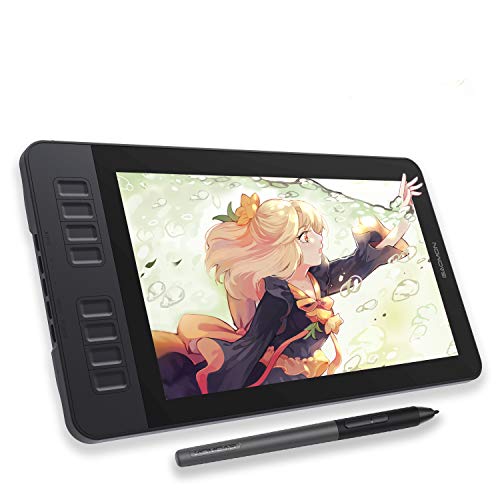
- 11.6-inch Full HD IPS screen
- Battery-free stylus with tilt support
- 8 shortcut keys and 2 pen buttons
Best For: Beginners who want a compact pen display for art and note-taking
Shortcut-Friendly Pick
HUION HS611 Slim Tablet with Tilt Support

- PW500 stylus with 60-degree tilt support
- 10 shortcut keys plus 8 multimedia keys
- Compatible with Windows, Mac, Linux, and Android
Best For: Users who want a slim pen tablet with lots of controls
Compact Budget Pick
HUION H640P 6x4 Compact Drawing Tablet

- Battery-free stylus with 8192 pressure levels
- 6 customizable shortcut keys
- Compact 0.3-inch-thin design
Best For: Portable drawing and note-taking for beginners and students
Best All-Round Pen Display – HUION KAMVAS 16 (2021) 15.6"
If you want one of the most practical drawing tablets with tilt support for everyday illustration work, the HUION KAMVAS 16 (2021) is built around a full-laminated pen display, a battery-free pen, and a 60° tilt function. It’s designed to give you a controlled, pen-on-paper feel while keeping setup simple for artists, students, and designers who work at a desk.
Best For: Illustrators, photo editors, and note-takers who want a portable pen display with reliable tilt control.
Pros:
- PW517 battery-free stylus supports 8192 pressure levels and ±60° tilt.
- Full-laminated screen helps reduce parallax for more precise cursor tracking.
- 120% sRGB color gamut and anti-glare film support detailed, comfortable work.
- Includes 10 customizable shortcut keys and an adjustable stand.
Cons:
- Not a standalone tablet and must connect to a computer, laptop, or Android device.
- Requires cables and setup with external devices to use.
Overall, the KAMVAS 16 (2021) is a strong pick if you want a screen tablet that balances tilt support, portability, and useful workflow extras. It’s especially appealing when you need a dependable display for sketching, shading, and photo work without paying for a larger studio unit.
Best Standalone Creator Tablet – XPPen Magic Drawing Pad 12.2"
Among drawing tablets with tilt support, the XPPen Magic Drawing Pad stands out because it works without a computer and still offers a 60° tilt-recognizing stylus. Its 12.2-inch paper-like screen, Android 14 system, and large storage make it a flexible option for artists who want to create anywhere.
Best For: Mobile artists and students who want a self-contained drawing tablet with tilt support and app access.
Pros:
- Standalone Android 14 tablet with no computer needed.
- X3 Pro stylus offers 16K pressure levels and 60° tilt recognition.
- 12.2-inch AG-etched screen is designed for a paper-like drawing feel.
- 8GB RAM, 256GB storage, and 8000mAh battery support long sessions.
Cons:
- Smaller than many desktop pen displays at 12.2 inches.
- Focuses on portability, so it is less of a traditional monitor-style setup.
This is a smart choice if you want the freedom of a standalone tablet without giving up serious pen performance. The tilt support, light build, and Android app ecosystem make it especially useful for sketching on the move.
Best Budget Pen Display – GAOMON PD1161 11.6"
If you’re shopping for drawing tablets with tilt support on a tighter budget, the GAOMON PD1161 covers the essentials well. It combines an 11.6-inch IPS display, 8192 pressure levels, and a battery-free pen with tilt support, making it a compact entry point for sketching, design, and online teaching.
Best For: Beginners, students, and light creators who want a small portable screen tablet with tilt.
Pros:
- 8192 pressure levels with tilt support for smooth, natural lines.
- Battery-free pen includes two programmable buttons.
- Eight shortcut keys help speed up common actions.
- Lightweight 11.6-inch design is easy to carry.
Cons:
- Not a standalone tablet and needs a Windows, Mac, or Chromebook connection.
- Smaller screen size may feel cramped for longer sessions.
The PD1161 is a straightforward pick when you want pen display basics without extra complexity. Its tilt support, portability, and shortcut layout make it a practical starter option for art and annotation work.
Best Pen Tablet for Shortcuts – HUION Inspiroy 2 Medium
The HUION Inspiroy 2 Medium is a non-screen tablet, but it still belongs in a roundup of drawing tablets with tilt support because its PenTech 3.0 stylus offers 60° tilt support and battery-free operation. If you prefer working on a separate monitor and want more control through hardware shortcuts, this model gives you a compact, efficient desktop workflow.
Best For: Artists who want a screenless tablet with tilt support, scroll control, and strong shortcut customization.
Pros:
- PenTech 3.0 stylus provides 60° tilt support and battery-free use.
- Scroll wheel plus 8 press keys and 3 group keys improve workflow control.
- Compatible with Windows, macOS, Linux, Android, and ChromeOS.
- Works with smartphones as well as desktops and laptops.
Cons:
- No built-in screen, so you draw on a separate display.
- Must stay connected to a device to work.
This is a strong option if you already like pen tablets and want tilt support without moving to a display model. The shortcut layout and cross-platform support make it especially useful for efficient everyday digital art and editing.
Pen Display Pick – XPPen Artist 15.6 Pro 15.6" Tilt Support Display
If you want drawing tablets with tilt support and prefer a screen-based setup, the XPPen Artist 15.6 Pro is built for desktop workflows. Its full-laminated 15.6-inch display, 8192 levels of pressure, and tilt-aware stylus are aimed at artists who want a responsive monitor-style drawing experience for illustration, sketching, editing, and online work.
Best For: Artists and teachers who want a 15.6-inch pen display for computer-connected drawing and remote work.
Pros:
- 15.6-inch full-HD, full-laminated screen helps keep artwork clear and detailed.
- 8192 pressure levels and tilt support provide nuanced pen control for sketching and line work.
- 8 customizable shortcut keys plus a Red Dial can speed up common actions.
- Wide software and OS support includes Windows, Mac, Chrome OS, and major creative apps.
Cons:
- Must connect to a computer or laptop; it is not a standalone tablet.
- Its larger display makes it less portable than smaller pen tablets.
Overall, this is a strong choice if you want a roomy pen display with tilt support and workflow controls built in. It favors desk-based creators who value screen space, color clarity, and shortcut efficiency over portability.
Portable Pen Tablet – HUION HS610 10×6.25" Tilt Support Pad
The HUION HS610 is a practical pick for drawing tablets with tilt support if you want a larger active area without a screen. It combines 8192 pressure levels, a battery-free stylus, and 60-degree tilt support with a touch ring and 12 express keys, making it useful for drawing, animation, and general digital design.
Best For: Students, teachers, and mobile creators who want a slim tablet with Android support and tilt sensitivity.
Pros:
- 60-degree tilt support and 8192 pressure levels help create more natural strokes.
- Touch ring plus 12 customizable press keys add handy workflow control.
- Android compatibility lets you use it with supported phones and tablets via OTG.
- Lightweight, slim design makes it easy to carry for drawing on the go.
Cons:
- No built-in screen, so you draw on a separate display.
- Requires a compatible device and connection setup to use with Android.
In short, the HS610 is a flexible pen tablet for people who want tilt support, portability, and hardware shortcuts. It is especially appealing if you work across Windows, Mac, and Android devices and do not need an integrated display.
Compact Starter Tablet – XPPen IT640 6×4" 16K Tilt Tablet
For buyers comparing drawing tablets with tilt support, the XPPen IT640 stands out as a compact, beginner-friendly option with serious pen sensitivity. Its 16,384 pressure levels, 60-degree tilt support, and 8 shortcut keys are designed for natural drawing, quick edits, and even OSU use in a very portable 6 x 4 inch form factor.
Best For: Beginners, students, and gamers who want a small, portable tablet with high pen sensitivity and tilt support.
Pros:
- 16,384 pressure levels and 60-degree tilt support deliver fine pen control.
- Compact, lightweight design is easy to carry in a bag.
- 8 programmable shortcut keys help speed up common tools and actions.
- Works with Windows, Mac, Android, Chrome OS, and Harmony OS.
Cons:
- Very small active area may feel limiting for larger hand movements.
- Needs to connect to a computer or compatible device; it is not standalone.
This model makes the most sense if you want a small tablet that still offers tilt support and high pressure sensitivity. It is a good fit for travel, learning, light editing, and rhythm-game precision rather than large-scale illustration.
On-Screen Starter Pick – GAOMON PD1161 11.6" FHD Pen Display
If you want drawing tablets with tilt support and prefer sketching directly on a screen, the GAOMON PD1161 is built for that hands-on workflow. It pairs an 11.6-inch Full HD IPS display with a matte film that helps reduce glare, plus a battery-free stylus with 8192 pressure levels and tilt support for a more natural pen feel.
Best For: Beginner artists, students, and creators who want an affordable pen display for drawing, note-taking, and design work on a connected computer.
Pros:
- 11.6-inch FHD IPS screen lets you draw right on the display.
- Battery-free AP50 stylus includes 8192 pressure levels and tilt support.
- 8 programmable shortcut keys plus 2 pen buttons help speed up workflow.
- Compatible with Windows and macOS, with support for common creative and collaboration apps.
Cons:
- Not a standalone tablet; it must connect to a computer.
- May need an adapter depending on your laptop or desktop ports.
- Requires enough external power from the connected device or included adapter.
Overall, the PD1161 is a practical entry-level pen display if you want on-screen drawing without moving up to a larger, more expensive display tablet. Its tilt-enabled pen and shortcut controls make it especially appealing for everyday art, editing, and remote-work tasks.
Shortcut-Friendly Pick – HUION HS611 Slim Tablet with Tilt Support
Among drawing tablets with tilt support, the HUION HS611 stands out for creators who value shortcuts as much as pen feel. Its battery-free PW500 stylus offers 8192 pressure levels and 60 degrees of tilt support, while the tablet adds 10 shortcut keys, a touch strip, and 8 multimedia keys to keep frequent actions close at hand.
Best For: Artists, designers, and students who want a slim pen tablet with lots of shortcut controls and Android compatibility.
Pros:
- PW500 stylus includes 8192 pressure levels and 60-degree tilt support.
- 10 shortcut keys, touch strip, and 8 multimedia keys support faster workflow.
- Works with Windows, macOS, Linux, and Android devices.
- Ultra-thin body and generous active area make it easy to use for long sessions.
Cons:
- It is a pen tablet, so there is no built-in screen for drawing directly on display.
- Android compatibility depends on using an adapter.
- Some Samsung Galaxy devices have cursor limitations outside the Note series.
The HS611 is a strong fit if you want tilt support plus more control over your workflow. It is especially useful for users who switch between art, editing, and media shortcuts and want a slim tablet that travels well.
Compact Budget Pick – HUION H640P 6×4 Compact Drawing Tablet
If you are comparing drawing tablets with tilt support and mainly want a compact, portable option, the HUION H640P is an easy one to live with. It uses a battery-free PW100 stylus with 8192 pressure levels, a lightweight 6×4-inch active area, and 6 programmable keys for a simple, efficient drawing setup.
Best For: Beginners, students, and mobile creatives who want a small pen tablet for drawing, note-taking, and everyday digital work.
Pros:
- Battery-free stylus delivers 8192 pressure levels for natural pen control.
- Six customizable keys help speed up common actions.
- Very compact and lightweight, making it easy to carry in a backpack.
- Works with Mac, Windows, Linux, and Android devices.
Cons:
- No built-in screen, so you draw on the tablet while looking at your computer or device.
- The 6×4-inch active area is small for users who prefer a larger workspace.
- Does not support iPhone or iPad.
The H640P is a straightforward, travel-friendly tablet that covers the essentials without adding bulk. While it is not the most feature-packed option, its portability and broad compatibility make it a solid everyday pick for practice, notes, and light creative work.
How We Picked These Drawing Tablets with Tilt Support
We focused on models that offer reliable tilt recognition, solid pressure sensitivity, and practical feature sets for real-world use. We also weighed active drawing area, portability, shortcut controls, screen quality on display models, and whether the tablet works standalone or needs a computer.
Because artists use Drawing Tablets with Tilt Support in different ways, we prioritized a mix of sizes and price points rather than only the largest or most expensive options.
Quick Comparison
In simple terms, screen tablets are best if you want to draw directly on the display, while pen tablets are usually lighter, cheaper, and easier to carry. A standalone tablet is the most flexible choice if you want to skip the computer entirely.
If you want a compact travel option, a smaller 6 x 4 inch model may be enough. If you work on detailed illustrations, animation, or Photoshop-style editing, a medium or 15.6-inch class tablet will usually feel less cramped.
Key Buying Factors for Drawing Tablets with Tilt Support
Tilt Accuracy and Pressure Levels
Tilt support matters most when you want natural shading, brush angles, and expressive line work. Pair that with high pressure sensitivity for smoother control and more nuanced strokes.
Screen Vs. Screenless Design
Pen displays can reduce the learning curve because you draw where you look. Screenless tablets often deliver better value and may be easier to set up in a small workspace.
Size, Portability, and Workspace
Choose a size that matches both your desk and your drawing style. Larger tablets are comfortable for broad arm movement, while smaller models are better for limited spaces and travel.
Shortcut Controls and Workflow
Express keys, dials, and scroll wheels can speed up common tasks like zooming, brush changes, and undo. These controls are especially helpful if you work for long sessions.
Compatibility and Use Case
Make sure the tablet supports your operating system and software. Some Drawing Tablets with Tilt Support are aimed at beginners, while others are better suited to digital painting, photo editing, or animation.
Who Should Buy Which Drawing Tablets with Tilt Support?
Choose a pen display if you want the most intuitive drawing experience. Choose a screenless tablet if you want a lighter, more affordable setup with strong performance. Choose a standalone device if you need maximum freedom and minimal dependence on a computer.
If you are just starting out, a smaller tablet with good pressure and tilt support is often the smartest purchase. If you already know your workflow, a larger display or feature-rich mid-size tablet will usually offer the best long-term value.