The Shure SM7B is a studio favorite, but its low output can challenge interfaces and mixers that lack enough clean gain. The right inline booster or dedicated preamp can raise the signal without forcing you to max out your interface.
We compare 10 microphone preamps for SM7B setups, focusing on gain, noise performance, phantom-power requirements, compatibility, and practical use for podcasts, streaming, music, and live sound.
Best 10 Microphone Preamp for Sm7b Picks for 2026
Low-Noise Choice
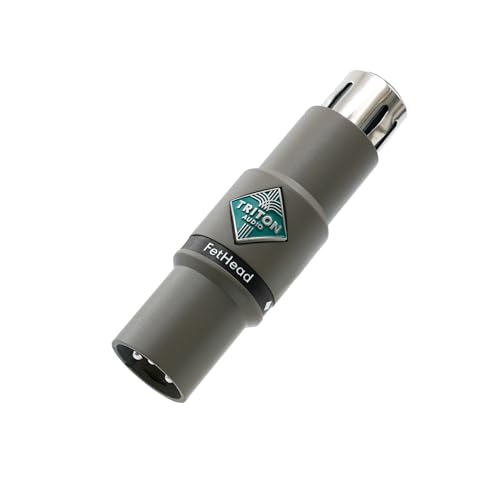
- Low-noise Class-A JFET amplifier
- Shielded, compact in-line design
- Lightweight 2.72-ounce housing
Best For: Compact home-studio vocal setups
Studio Standard
Cloudlifter CL-1 Mic Activator

- Provides up to +25 dB of gain
- Uses phantom power safely with passive mics
- Single-channel XLR design for studio or streaming
Best For: Podcasts, voiceover, and studio recording
Budget Power Boost

- Designed for dynamic and passive ribbon mics
- Provides stated +25 dB gain
- Compact metal XLR booster housing
Best For: Home studios, podcasts, and live streaming
Road-Ready Booster
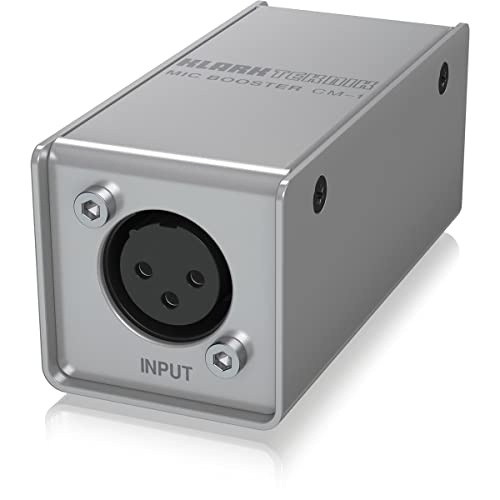
- Provides up to +25 dB of gain
- Phantom-powered without an external supply
- Rugged metal construction for portable use
Best For: Mobile recording and live dynamic-mic setups
Best Budget Inline Booster

- Adds up to 29 dB of gain
- Metal, compact XLR design
- Requires 48V phantom power
Best For: Dynamic microphones and ribbon mics needing a simple inline boost
Best Compact Clean-Gain Option
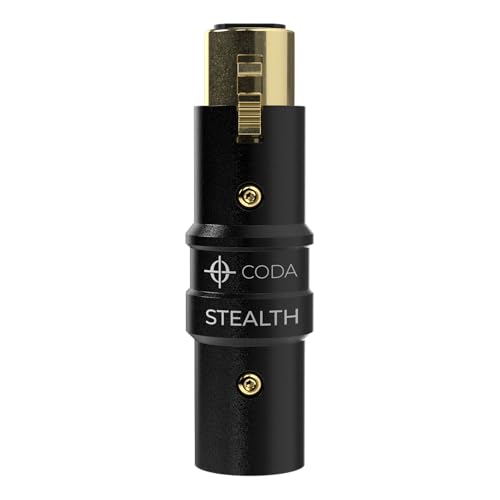
- Provides 28 dB of clean gain
- Compact matte-black aluminum body
- Uses 48V phantom power
Best For: Discreet podcasting and livestreaming setups with dynamic or ribbon mics
Best Versatile Standalone Preamp

- Up to 75 dB of gain
- Supports dynamic and condenser mics
- Balanced XLR and dual 3.5mm outputs
Best For: Vocal recording setups needing high gain and flexible connections
Best Value Gain Booster

- Adds 25 dB of clean gain
- Works with the Shure SM7B and other dynamic mics
- Requires external 48V phantom power
Best For: Simple podcast, broadcast, and live-sound gain boosting
Best for Gain Control
sE Electronics DM2 TNT Inline Preamp
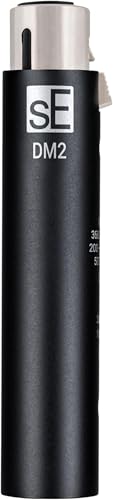
- Select between +15 dB and +30 dB gain
- Offers eight impedance settings
- Compact all-metal design for dynamic and ribbon mics
Best For: Fine-tuning an SM7B or other low-output dynamic microphone
Best Feature-Rich Option
RO03 66 dB Low-Noise Mic Preamp

- Offers 19–66 dB variable gain
- Includes XLR, TRS, and TS connectivity
- Uses USB-C power for portability
Best For: Creators needing flexible gain, outputs, and microphone or instrument support
Low-Noise Choice – Triton Audio FetHead
The Triton Audio FetHead is a compact in-line option for anyone building a microphone preamp for SM7B setup. Its low-noise Class-A JFET amplifier, double single-ended topology, shielded enclosure, and four matched JFETs are designed to add clean gain while keeping the unit unobtrusive in the signal chain.
Best For: Home studios and vocal recording setups that need a compact, shielded in-line preamp.
Pros:
- Low-noise Class-A JFET amplification
- Shielded enclosure helps support a clean signal path
- Compact 5.05-inch design and light 2.72-ounce weight
Cons:
- The supplied notes list 24-volt operation, so power compatibility should be checked before purchase
- Its in-line format provides less control than a full-featured standalone preamp
Choose the FetHead when simplicity, low noise, and a small footprint matter more than onboard controls. Verify your interface or mixer’s power requirements before adding it to an SM7B-oriented chain.
Studio Standard – Cloudlifter CL-1 Mic Activator
The Cloudlifter CL-1 is a well-established choice for a microphone preamp for SM7B applications, providing up to +25 dB of gain for passive microphones. It uses phantom power while preventing phantom power from reaching the microphone, making it suitable for podcasting, streaming, voiceover, live sound, and studio recording.
Best For: Podcasters, streamers, and recording users who want up to +25 dB of clean gain from a single-channel XLR booster.
Pros:
- Up to +25 dB of microphone gain
- Phantom-powered without passing phantom power to passive microphones
- Compatible with passive ribbons and tube-, battery-, or power-supply-driven microphones
- Stainless-steel enclosure with a compact 1.93 x 1.93 x 4.72-inch footprint
Cons:
- Requires a connected microphone input with standard phantom power
- Single-channel design may not suit stereo or multi-microphone setups
The CL-1 is a practical fit when your interface needs more input gain but you want to preserve the natural sound of the microphone. Its broad compatibility and straightforward XLR connection make it easy to place before an existing preamp.
Budget Power Boost – StudioMan CL-100 XLR Preamp
The StudioMan CL-100 is a microphone preamp for SM7B-style dynamic microphone setups that need a straightforward +25 dB signal boost. Its balanced XLR input and output, phantom-power compatibility, metal chassis, and stated 10 Hz–20 kHz frequency response suit home studios, podcasts, live streaming, and recording workflows.
Best For: Users seeking an affordable-looking, compact XLR booster with a metal housing and +25 dB gain specification.
Pros:
- Designed for dynamic and passive ribbon microphones
- Offers a stated +25 dB clean gain circuit
- Balanced XLR input and output for interfaces and mixers
- Compact metal chassis with EMI/RFI shielding claim
Cons:
- The supplied notes do not identify additional controls or multiple channels
- Its 10 Hz–20 kHz response is narrower on paper than some wider-range boosters
The CL-100 emphasizes essential gain and connectivity rather than extensive features. It may be worth considering for a simple desktop or mobile recording chain, especially if its one-year warranty and technical support are useful to you.
Road-Ready Booster – Klark Teknik MIC BOOSTER CM-1
The Klark Teknik MIC BOOSTER CM-1 is a compact microphone preamp for SM7B and other dynamic-microphone setups. It adds up to +25 dB of gain, runs from phantom power without an external supply, and uses a rugged metal construction intended for dependable use in recording, video, voice, and live applications.
Best For: Mobile and live users who want a small, phantom-powered booster for dynamic or passive ribbon microphones.
Pros:
- Adds up to +25 dB of gain
- Works with almost any dynamic or passive ribbon microphone
- Phantom-powered with no external power supply required
- Rugged metal construction for portable use
Cons:
- Single-channel design limits use with stereo microphone setups
- Requires phantom power from the connected equipment
- The supplied notes provide limited detail about its control layout
The CM-1 is a sensible choice when portability and simple operation are priorities. Its small form factor and phantom-powered design can reduce cable and power-supply clutter in a compact recording or live rig.
Best Budget Inline Booster – StudioMan DPM1
If you need a straightforward microphone preamp for SM7B setups, the StudioMan DPM1 adds 29 dB of gain between a dynamic microphone and an audio interface or mixer. It is designed to help avoid heavily cranking a noisy interface preamp, but it requires 48V phantom power from the connected equipment.
Best For: SM7B, SM58, ribbon microphone, podcasting, streaming, and live-sound users who want a compact inline gain boost.
Pros:
- Provides up to 29 dB of clean, transparent gain.
- Compact metal housing helps with durability and interference shielding.
- Works with standard XLR dynamic microphones and interfaces or mixers supplying phantom power.
Cons:
- Not intended for condenser microphones.
- Requires 48V phantom power, which is not included.
The DPM1 is a practical plug-and-play option when your interface supports phantom power and your dynamic microphone needs more level. Its fixed 29 dB boost keeps the setup simple without requiring a larger preamp upgrade.
Best Compact Clean-Gain Option – Coda MB-Stealth
The Coda MB-Stealth is a compact microphone preamp for SM7B users who want 28 dB of additional gain from an inline XLR adapter. It uses an interface’s 48V phantom power and is specified for dynamic and ribbon microphones, not condenser models.
Best For: Podcasters, livestreamers, and recording users who prefer a discreet matte-black booster with low stated noise.
Pros:
- Delivers 28 dB of ultra-clean gain.
- Specified with a -70 dB noise rating for a cleaner boosted signal.
- Compact aluminum housing suits streamlined microphone setups.
Cons:
- Does not work with condenser microphones.
- Needs 48V phantom power from the audio interface or mixer.
With its small form factor, 28 dB gain rating, and stated 20 Hz–20 kHz frequency response, the MB-Stealth is a focused choice for low-output dynamic microphones. Confirm that your interface can provide phantom power before purchasing.
Best Versatile Standalone Preamp – JCANOL MIC-1
For a more flexible microphone preamp for SM7B systems, the JCANOL MIC-1 offers up to 75 dB of gain, 48V phantom power, and balanced XLR output. Unlike inline boosters, it also supports condenser microphones and includes 3.5mm mic and line outputs for compact devices.
Best For: Vocal recording, SM7B users needing substantial gain, mixed microphone types, and setups requiring XLR plus auxiliary outputs.
Pros:
- Offers up to 75 dB of gain with a stated -120 dB EIN noise performance.
- Supports dynamic and condenser microphones with built-in 48V phantom power.
- Provides balanced XLR, 3.5mm mic, and 3.5mm line outputs.
Cons:
- The two input ports cannot operate simultaneously.
- It is a standalone unit rather than a simple inline XLR booster.
The MIC-1 is the most feature-rich option here for users who need substantial gain and connection flexibility. Its metal enclosure, instrument-capable input, and three-year warranty add versatility, though its broader feature set may be unnecessary for a basic inline SM7B setup.
Best Value Gain Booster – FC-1 Dynamic Mic Preamp
If your interface struggles to provide enough level from an SM7B, the FC-1 is a straightforward microphone preamp for SM7B setups. It uses 48V phantom power from your interface or an external supply to add 25 dB of gain, while preserving the natural character of dynamic microphones.
Best For: Podcasters, streamers, broadcasters, and live performers who need simple, clean gain for a dynamic microphone.
Pros:
- Adds up to 25 dB of clean gain.
- Designed for dynamic and ribbon microphones, including the Shure SM7B and Electro-Voice RE20.
- Helps reduce line noise over long cable runs and improves gain before feedback.
- Durable enough for stage use while remaining suitable for studio and broadcast work.
Cons:
- Requires 48V phantom power from an audio interface or external supply.
- Does not supply phantom power itself.
- Not compatible with condenser microphones.
The FC-1 makes sense when you want an uncomplicated inline boost for an SM7B without changing its natural sound. Just confirm that your interface can provide phantom power before buying.
Best for Gain Control – sE Electronics DM2 TNT Inline Preamp
The sE Electronics DM2 TNT is a flexible microphone preamp for SM7B users who want more control than a fixed-gain booster provides. Its selectable gain and impedance settings let you fine-tune the inline stage for a dynamic microphone while maintaining a transparent signal.
Best For: SM7B owners, studio users, and podcasters who want adjustable gain and impedance matching in a compact XLR design.
Pros:
- Offers selectable +15 dB or +30 dB gain.
- Provides eight impedance settings from 50 ohms to 10 megaohms.
- Uses FET circuitry and a transformerless design for low-noise, transparent operation.
- All-metal housing and gold-plated XLR connectors suit frequent studio or stage use.
Cons:
- Designed for dynamic and ribbon microphones rather than condenser microphones.
- Its adjustable settings may be more involved than a basic fixed-gain booster.
- The supplied notes do not specify whether it provides phantom power itself.
Choose the DM2 TNT if you want to experiment with gain and impedance pairing rather than simply adding one fixed amount of level. It is especially appealing for users who value a compact, configurable signal path.
Best Feature-Rich Option – RO03 66 dB Low-Noise Mic Preamp
The RO03 is a more versatile microphone preamp for SM7B setups, combining variable gain with multiple output formats and USB-C power. Its updated 19–66 dB gain range and stated -120 dBV EIN target users who need substantial level while keeping the signal path practical for recording or streaming.
Best For: Budget-conscious creators who need high adjustable gain, USB-C portability, and compatibility with microphones or instruments.
Pros:
- Provides a usable 19–66 dB variable gain range.
- Updated design specifies a -120 dBV EIN and low noise performance.
- Includes XLR, TRS, and TS connectivity with simultaneous usable outputs.
- USB-C power improves portability and supports outdoor recording scenarios.
Cons:
- The two input ports cannot operate simultaneously.
- For the lowest noise, the manufacturer recommends connecting to an interface’s TRS line input with a suitable cable.
- It is a larger, more feature-heavy unit than a simple inline booster.
The RO03 is worth considering when an SM7B setup needs more than a basic inline gain stage. Its broad gain range and connection options add flexibility, but careful cabling—particularly using the recommended TRS line input—matters for noise performance.
How We Picked the Best Microphone Preamp for Sm7b
We evaluated these models by the features that matter most with the Shure SM7B: available clean gain, noise performance, connection design, phantom-power behavior, build quality, and ease of installation. Inline boosters are typically the simplest option, while standalone preamps may offer more gain range, multiple inputs, or broader microphone compatibility.
Because the SM7B is a passive dynamic microphone, a booster must be powered—usually by 48V phantom power supplied by your audio interface or mixer. A properly designed booster passes phantom power to its internal circuit while keeping phantom voltage away from the microphone itself.
Quick Comparison
- Compact inline boosters: FetHead, Cloudlifter CL-1, CM-1, DPM1, FC-1, and similar adapters fit directly between the microphone and XLR cable.
- Higher-gain options: Models advertising roughly 28–30dB or more can help interfaces with limited preamp headroom.
- Flexible studio preamps: Units with adjustable gain, two inputs, or condenser and instrument support can serve more than one recording setup.
- Selectable gain: The sE Electronics DM2 TNT is useful when you want to choose between moderate and stronger signal boosting.
Key Buying Factors for a Microphone Preamp for Sm7b
Clean Gain and Headroom
Look for enough boost to let your interface operate in a comfortable range rather than near maximum. Around 20–30dB is common for inline use, but the ideal amount depends on your speaking distance, voice level, recording resolution, and interface gain.
Noise and Signal Quality
More gain is not automatically better. Prioritize low-noise circuitry and a clean signal path, especially for quiet speech, voice-over, and close-mic recording. A booster cannot fix room noise, electrical interference, clipping, or poor microphone technique.
Phantom Power and Compatibility
Confirm that your interface or mixer supplies 48V phantom power. Passive inline boosters generally need it, even though the SM7B itself does not. If you also use ribbon microphones, check the manufacturer’s guidance and connect equipment carefully.
Format and Connections
Inline designs reduce cable clutter and are easy to move between setups. A standalone preamp may be preferable if you need front-panel controls, multiple inputs, wider gain adjustment, or compatibility with condenser microphones and instruments.
Who Should Buy Which Microphone Preamp for Sm7b?
- For a simple podcast or streaming setup: Choose a compact inline booster that provides clean gain and works with your existing interface.
- For an interface with weak preamps: Select a higher-gain model, then leave additional interface gain available for level matching.
- For multiple microphones: Consider a standalone unit with more than one input or broader dynamic, ribbon, and condenser compatibility.
- For flexible recording sessions: A selectable-gain preamp can adapt to different microphones and recording distances.
- For live sound: Favor rugged metal construction, dependable XLR connections, and a compact design that can stay securely in the signal chain.
Before buying, check your interface’s phantom-power capability, available XLR connections, and typical recording levels. The best choice is the model that supplies sufficient clean gain without adding unnecessary complexity to your signal chain.