Choosing the right NAS enclosure can make shared storage faster, safer, and far easier to manage at home or work.
Below, we focus on practical options for backups, media libraries, private cloud access, and expandable setups.
Best 10 Nas Enclosures Picks for 2026
Home Media Hub
UGREEN DXP2800 2-Bay NAS for Advanced Users

- Intel N100 CPU, 8GB DDR5 RAM, and 2.5GbE
- Up to 80TB with 2 HDD bays plus 2 M.2 slots
- Supports Docker, VMs, Plex, and AI photo tools
Best For: Advanced home users and creators who need a flexible private data hub
Private Cloud Pick
Synology DS223j 2-Bay DiskStation
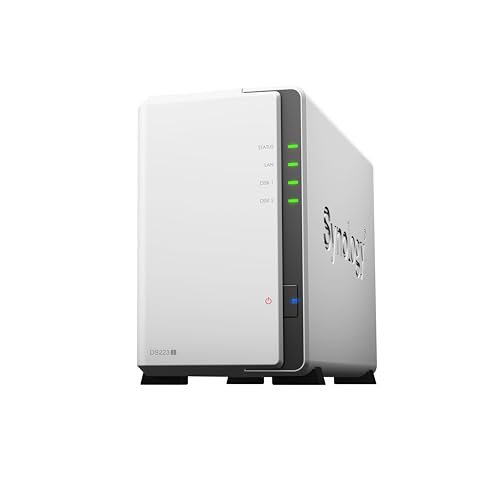
- Secure private cloud with multi-platform access
- Automated backups for Macs, PCs, and mobile devices
- Supports file sharing plus IP camera monitoring
Best For: Home users who want secure private cloud storage and easy backup management
Budget All-In-One
BUFFALO LinkStation 210 2TB NAS
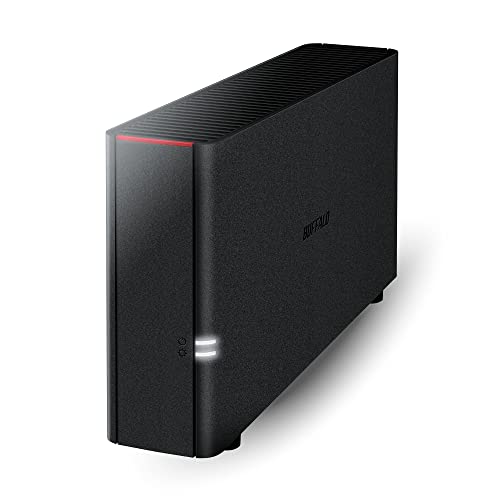
- 1-bay NAS with 2TB included
- Subscription-free personal cloud storage
- Windows/macOS support with backup tools
Best For: Users who want a basic, subscription-free NAS with included storage
Pro Workstation NAS

- Core i3-1315U with DDR5 RAM expandable to 96GB
- 10GbE plus 2.5GbE networking for fast transfers
- 4 bays plus 2 M.2 slots and Docker/VM support
Best For: IT professionals, developers, and power users who need a high-performance private NAS platform
High-Speed Direct-Connect Storage
TerraMaster D4-320 4-Bay DAS Enclosure

- USB 3.2 Gen 2 up to 10Gbps
- Four drive bays, up to 120TB total
- Tool-free, hot-swappable trays
Best For: Direct-attached storage buyers who want fast local access and simple drive expansion
Home Backup Hub
Synology DS223 2-Bay Diskless NAS

- Centralizes files from multiple devices
- Automated backups for Macs, PCs, and mobile devices
- Can support IP camera monitoring
Best For: Home and office users who want backup, sharing, and basic surveillance in one NAS
Creator-Grade 4-Bay NAS Enclosure

- AMD Ryzen Embedded R2514 for heavy multitasking
- Dual 10GbE and SSD expansion for faster transfers
- UGOS Pro supports Docker, VMs, and surveillance
Best For: Creators and teams needing a fast, expandable NAS
DIY 8-Bay NAS Chassis
AUDHEID 8-Bay Private Cloud Enclosure

- Holds up to 8 HDDs plus 2 SSD trays
- Supports MATX, uATX, and ITX builds
- Multiple PSU layouts for different configurations
Best For: DIY builders wanting a customizable diskless NAS case
Balanced 4-Bay NAS for Home and Small Teams

- Up to 144TB capacity in a 4-bay design
- 10GbE and 10Gbps USB for quick transfers
- Docker, VMs, and AI photo organization support
Best For: Home users and small teams wanting a versatile private cloud NAS
Home Media Hub – UGREEN DXP2800 2-Bay NAS for Advanced Users
If you want one of the more capable nas enclosures for a busy home setup, the UGREEN DXP2800 is built to centralize backups, media, and everyday file access in one place. It combines a 2-bay design with dual M.2 NVMe slots, 2.5GbE networking, and AI photo tools, making it a strong fit for households that are outgrowing scattered drives and cloud accounts.
Best For: Advanced home users, creators, and remote workers who want a flexible private data hub.
Pros:
- Intel N100 quad-core CPU with 8GB DDR5 RAM for heavier home workloads
- Supports up to 80TB across two HDD bays and two M.2 NVMe SSD slots
- Works with Docker, virtual machines, and Plex-compatible media server apps
- AI photo management and local surveillance features add extra utility
Cons:
- Diskless, so you need to buy HDDs and SSDs separately
- Best suited to users who will actually use the advanced software features
This is a practical choice if you want a NAS that does more than simple file storage. The DXP2800 gives advanced home users room to grow while keeping files, backups, and media organized in one system.
Private Cloud Pick – Synology DS223j 2-Bay DiskStation
The Synology DS223j is a straightforward choice among nas enclosures if you want private cloud storage without extra complexity. It focuses on secure file access, easy sharing, automated backups, and home monitoring, making it a good fit for users who value simple, dependable network storage.
Best For: Home users who want secure private cloud storage and easy backup management.
Pros:
- Multi-platform access with safe sharing and syncing from anywhere
- Automated backup protection for Macs, PCs, and mobile devices
- Supports home security use with multiple IP cameras and remote viewing
- Backed by a 2-year warranty and Synology support resources
Cons:
- Diskless, so storage drives must be purchased separately
- Focused more on simplicity than high-end performance features
If you want an easy-to-manage NAS for storage, backup, and light surveillance, the DS223j stays focused on the basics. It is especially appealing for users who prefer a trusted ecosystem and clear setup support.
Budget All-In-One – BUFFALO LinkStation 210 2TB NAS
For buyers who want a simple entry point into nas enclosures, the BUFFALO LinkStation 210 bundles storage and backup in a single 1-bay unit. With the 2TB drive included, it is a more turnkey option for creating a central home cloud, sharing files, and backing up multiple devices without monthly fees.
Best For: Users who want a basic, subscription-free NAS with included storage.
Pros:
- 2TB drive is included, so it is ready to use out of the box
- Subscription-free personal cloud for photos, music, videos, and backups
- Closed system design and SSL encryption support secure file transfers
- Includes PC backup tools and support for Windows and macOS
Cons:
- Single-bay design limits expansion compared with larger NAS units
- macOS support is limited to version 15 and earlier
This model is best for users who want a simple network storage device rather than a feature-heavy platform. The included drive and straightforward setup make it a practical buy for everyday home backup and sharing.
Pro Workstation NAS – UGREEN DXP4800 Pro 4-Bay
The UGREEN DXP4800 Pro is aimed at demanding users who need more from nas enclosures than simple backup and file sharing. With a Core i3 processor, expandable DDR5 memory, 10GbE plus 2.5GbE networking, and support for Docker and virtual machines, it is built for editing, development, and high-speed storage workflows.
Best For: IT professionals, developers, and power users who need a high-performance private NAS platform.
Pros:
- Intel Core i3-1315U, 8GB DDR5 RAM, and up to 96GB expansion support
- 10GbE + 2.5GbE networking for fast transfers up to 1.25GB/s
- Supports Docker, virtual machines, and on-device AI photo recognition
- Large 144TB capacity with 4 HDD bays and 2 M.2 PCIe 4.0 SSD slots
Cons:
- Diskless, so the total setup cost will depend on the drives you add
- Most useful for users who need advanced apps and high throughput
As a more capable private storage platform, this model stands out for both speed and flexibility. It makes sense for users who want a NAS that can act like a workstation, media hub, and development environment in one box.
High-Speed Direct-Connect Storage – TerraMaster D4-320 4-Bay DAS Enclosure
If you want storage expansion without stepping into a full NAS setup, the TerraMaster D4-320 is a practical pick for NAS enclosures shoppers who mainly need fast local access. It’s a DAS rather than a NAS, so it connects directly over USB 3.2 Gen 2 and focuses on speed, easy drive swapping, and straightforward compatibility with Mac, Windows, and Linux.
Best For: Users who want a high-speed, plug-and-play 4-bay direct-attached enclosure for desktop backups and large media libraries.
Pros:
- USB 3.2 Gen 2 connection rated up to 10Gbps for fast transfers.
- Supports four individual drives with a total capacity up to 120TB.
- Tool-free trays and hot-swappable bays make drive changes easier.
- Quiet-focused design with temperature-controlled fan and sound-damping measures.
Cons:
- It is a DAS, not a NAS, so it does not provide network sharing on its own.
- No RAID function is supported.
- Best suited to direct computer connection rather than always-on network use.
For buyers who prioritize speed and simple expansion over network features, the D4-320 is a solid storage enclosure. Its combination of hot-swap convenience, broad OS compatibility, and quiet operation makes it a strong desktop companion for large file workflows.
Home Backup Hub – Synology DS223 2-Bay Diskless NAS
For shoppers comparing NAS enclosures, the Synology DS223 is aimed at people who want a compact two-bay home and office backup hub. It’s designed to centralize files, support collaboration, automate backups, and even double as a DIY surveillance platform, making it a more full-featured choice than a basic storage box.
Best For: Home users and small offices that want centralized storage, backup protection, and optional camera monitoring.
Pros:
- Centralizes files from computers, phones, and external drives into one hub.
- Supports automated backups for Macs, PCs, and mobile devices.
- Includes file-sharing and collaboration features for team workflows.
- Can be used as a DIY surveillance system with IP cameras.
Cons:
- Diskless model, so you need to supply your own drives.
- Two-bay design limits expansion compared with larger NAS options.
- Geared toward practical home and office use rather than high-drive-count storage.
The DS223 is a good fit if you want a dependable NAS enclosure with software-driven value rather than just empty drive bays. Its mix of backup, sharing, and monitoring features makes it especially appealing for small households and offices.
Style-Forward NAS Case – JONSBO N4 Black 8-Drive Bay NAS PC Case
If you’re building your own storage system and searching for NAS enclosures that look more refined than a plain server box, the JONSBO N4 stands out. This micro ATX/ITX NAS PC case combines up to eight drive positions with a walnut wood exterior, so it’s designed for home office or personal server builds where appearance matters as much as storage.
Best For: DIY NAS builders who want a compact storage case with a premium wood-and-steel design.
Pros:
- Supports up to 6 x 3.5-inch HDDs and 2 x 2.5-inch SSDs.
- Includes 4 hot-swap bays for easier drive replacement.
- Walnut wood panels give it a more furniture-like look.
- Built-in 120mm fan and front USB-C help round out the feature set.
Cons:
- Requires you to build and configure your own PC-based NAS.
- CPU cooler height and GPU length are limited by the compact layout.
- Only one fan is included, so cooling needs may vary by build.
The N4 is a smart choice if you want a DIY NAS case with real personality and flexible drive support. It’s especially appealing for users who prefer a home-friendly look without giving up hot-swap convenience and multi-drive capacity.
Creator-Grade 4-Bay NAS Enclosure – UGREEN NAS DXP4800 GT
If you want one of the more capable NAS enclosures for media work, backups, and self-hosted apps, the UGREEN DXP4800 GT is built for speed and flexibility. It combines an AMD Ryzen Embedded R2514, dual 10GbE networking, SSD expansion, and UGOS Pro to handle demanding multi-user storage tasks without feeling like a basic file box.
Best For: Creators, tech enthusiasts, and office teams that need fast local storage, app support, and room to grow.
Pros:
- AMD Ryzen Embedded R2514 with 4 cores, 8 threads, and up to 3.70GHz for multitasking.
- Dual 10GbE plus SSD expansion for fast transfers, stable streaming, and quick backups.
- UGOS Pro supports Docker, virtual machines, SAN Manager, and the UGREEN NAS app ecosystem.
- Built-in surveillance support for compatible ONVIF/RTSP cameras with local recording and playback.
Cons:
- Drives are not included, so total cost depends on the storage you add.
- Some advanced features rely on compatible cameras, network gear, and third-party setup choices.
- Maximum speeds and expansion capacity depend on your drives and network environment.
Overall, this is a strong pick if you want a serious NAS enclosure that does more than store files. The mix of 4-bay storage, fast networking, app support, and local privacy features makes it especially appealing for users building a capable home or small-office storage hub.
DIY 8-Bay NAS Chassis – AUDHEID 8-Bay Private Cloud Enclosure
For builders who want to assemble their own NAS enclosure, this 8-bay chassis focuses on flexibility and airflow rather than bundled storage features. It supports 8 x 3.5-inch HDDs plus 2 x 2.5-inch SSD trays, with multiple power supply combinations and a layout that separates upper and lower components to help with cooling and assembly.
Best For: DIY users who want a diskless NAS chassis they can customize around their own hardware.
Pros:
- Supports up to 8 x 3.5-inch HDDs and 2 x 2.5-inch SSD trays.
- Flexible build options with MATX, uATX, and ITX compatibility.
- Three power supply combinations: FLEX, SFX/SFX-L, or ATX depending on drive count.
- Top-and-bottom structure is designed to improve heat dissipation and simplify assembly.
Cons:
- Sold diskless, so you must supply your own motherboard, drives, and power hardware.
- Compatibility is more limited for larger components, including a height limit of 80mm for the water-cooled radiator.
- Half-height PCIe support and 285mm GPU limit may restrict some builds.
If you want a customizable storage case instead of an all-in-one NAS appliance, this chassis offers a practical starting point. Its drive capacity and layout are appealing for DIY private cloud projects, but it is best suited to users comfortable choosing and assembling their own parts.
Balanced 4-Bay NAS for Home and Small Teams – UGREEN DXP4800 Plus
The UGREEN DXP4800 Plus is a practical choice if you want a modern NAS enclosure that can replace scattered external drives with centralized storage, backups, and remote access. It adds strong everyday performance, 10GbE and 10Gbps USB connectivity, and support for Docker and virtual machines, making it a good fit for families, creators, and small offices.
Best For: Families, creators, and small teams that want fast, easy-to-manage private storage with room for apps.
Pros:
- Supports up to 144TB of storage capacity with a 4-bay design.
- 10GbE port and 10Gbps USB ports enable very fast transfers.
- Docker and virtual machine support expand the NAS beyond basic file storage.
- AI photo album features help organize images and remove duplicates automatically.
Cons:
- Hard drives are not included, so you need to budget for storage separately.
- Advertised capacity and transfer speeds depend on compatible drives, network gear, and file types.
- Wired Ethernet is required on most models; Wi-Fi is not supported.
This is one of the more well-rounded NAS enclosures in the group if you want strong performance without overcomplicating setup. It combines broad device compatibility, private-cloud security, and useful AI tools in a package that should suit most home and small-team storage needs.
How We Picked These Nas Enclosures
We prioritized bay count, upgrade flexibility, ease of setup, networking options, and real-world fit for home users, creators, and small teams. We also looked for models that balance storage capacity with useful features like hot-swap support, SSD caching, and quieter operation.
Quick Comparison of Nas Enclosures
Two-bay models are usually best for simple backups and first-time buyers. Four-bay units offer a stronger mix of capacity, redundancy, and performance. Larger 8-bay chassis are aimed at users who want room to grow, while external drive enclosures suit people who want expandable local storage without a full network appliance.
Key Buying Factors for Nas Enclosures
Bay Count and Future Growth
More bays generally mean more usable storage and better expansion options. If you expect your library, backups, or team files to grow, a 4-bay or larger chassis is often the smarter long-term choice.
Drive Compatibility and Redundancy
Check support for 3.5-inch HDDs, 2.5-inch SSDs, and whether the enclosure supports RAID modes or hot-swapping. Redundancy can protect against drive failure, but it does reduce usable capacity.
Performance and Connectivity
For multi-user access, faster CPUs, more RAM, and better networking matter. Creators and office teams should pay special attention to sustained transfer speeds and support for SSD caching where available.
Noise, Size, and Placement
Some Nas Enclosures are compact enough for a desk or shelf, while larger chassis are better suited to a dedicated storage area. If the unit will live near people, consider fan noise and vibration control.
Who Should Buy Which Nas Enclosures?
If you want a simple home backup hub, a 2-bay NAS enclosure is often enough. If you store photos, video, or shared work files, a 4-bay model usually delivers the best balance of capacity and flexibility. Power users and IT-minded buyers should look at larger chassis and more advanced designs, especially if they want to build a custom private storage system around their Nas Enclosures.
For shoppers who only need basic local expansion, an external multi-bay enclosure can be a cost-effective alternative to a full network appliance. Match the enclosure to your workload first, then compare features and upgrade paths second.