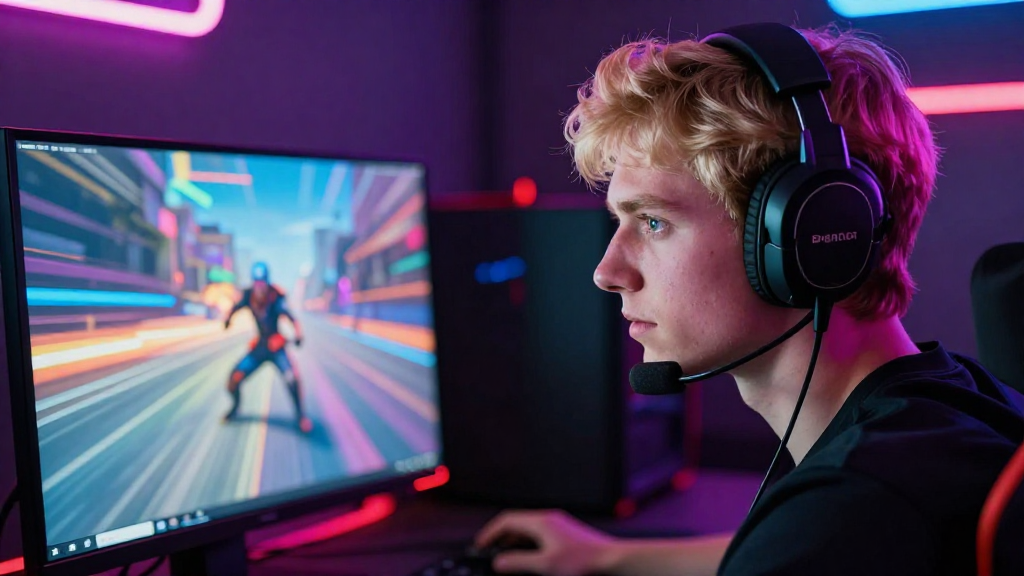
Do games enhance visual tracking?
In recent years, research has shown a significant connection between gaming and various cognitive skills, particularly visual tracking. This article explores how different types of games contribute to improving visual tracking skills and the broader implications for education and cognitive development.
What is Visual Tracking?
Visual tracking is the ability to follow a moving target with your eyes.
This skill is crucial for many daily activities, such as driving, playing sports, or even reading text on a page. Effective visual tracking allows individuals to process information efficiently and react promptly to changes in their environment.
How Do Games Enhance Visual Tracking?
Do games enhance visual tracking?
The simple answer is: yes.
Numerous studies suggest that certain types of video games can significantly improve visual tracking abilities. Here are some ways in which gaming influences this skill:
-
Fast-paced Action:
– Action games, such as first-person shooters or racing games, require players to track multiple moving objects.
– Constantly shifting focus helps improve the player’s ability to follow fast-moving targets in real life. -
Enhanced Attention Span:
– Games often demand prolonged periods of concentration.
– This focus on visually tracking objects trains the brain to process visual information more efficiently. -
Multitasking Capabilities:
– Many games involve multitasking, where players must attend to several elements simultaneously.
– This multitasking experience enhances the brain’s capacity to process multifaceted visual inputs.
What Types of Games are Most Effective?
Understanding which types of games enhance visual tracking is important for maximizing their benefits. Here are some genres known for their impact:
1. Action Games
- First-person shooters (FPS) and third-person shooters are excellent for improving visual tracking skills.
- Players often need to quickly aim at opponents, follow their movements, and respond effectively.
2. Sports Simulation Games
- Titles like FIFA and NBA 2K challenge players to react in real time as they track fast-paced gameplay.
- These games require attention to players’ movements, making them beneficial for muscle memory and visual skills.
3. Puzzle Games
- Though slower-paced, puzzle games (e.g., Tetris) help with tracking as players often anticipate and align moving pieces.
- They help develop spatial awareness and improve quick decision-making skills.
4. Rhythm Games
- Games like Dance Dance Revolution or Beat Saber enhance visual tracking through timing and rhythm.
- Players must synchronize their movements with visual cues on the screen, honing their ability to visually track changes.
Are There Studies Supporting This?
Numerous studies have explored whether games enhance visual tracking skills.
For instance, a study published in the journal Cognitive Research found that playing action video games significantly improved participants’ abilities to track multiple moving objects.
Another study indicated that gamers, especially those who engaged in action games, performed better on visual tracking tests compared to non-gamers.
These findings suggest that the fast-paced nature of these games requires players to continuously adapt and develop their tracking abilities.
What Are the Broader Implications?
If games do enhance visual tracking, what does this mean for various sectors?
1. Education
- Educational games that incorporate visual tracking exercises can improve students’ ability to focus and process information.
- Integrating these games into school curricula could lead to enhanced learning experiences.
2. Sports Training
- Coaches can use video games to improve athletes’ visual tracking skills.
- Simulation games can prepare athletes for real-life scenarios in a controlled environment.
3. Therapeutic Use
- Visual tracking improvement through games can be beneficial in rehabilitation settings.
- For individuals recovering from injuries or surgeries, games can serve as a fun way to regain crucial visual skills.
Can Non-Gamers Benefit from Gaming?
Certainly!
While avid gamers may see substantial benefits, non-gamers can also enhance their visual tracking skills by:
- Trying out various games: Even casual gaming sessions can lead to improvements.
- Setting specific goals: Focus on tracking elements during gameplay and gradually increase the difficulty.
Recommendations for Non-Gamers:
-
Start with Simple Games:
– Choices like mobile puzzle games or platformers are beginner-friendly. -
Gradually Progress:
– As skills improve, move to more complex games to further challenge visual tracking capabilities. -
Diversify Game Types:
– Playing different genres offers a well-rounded skill set.
Are There Potential Downsides?
While gaming has many positive effects, moderation is key.
Excessive gaming can lead to:
- Eye strain
- Sedentary lifestyle issues
- Poor sleep patterns
Tips for Healthy Gaming:
-
Take Regular Breaks:
– Follow the 20-20-20 rule: every 20 minutes, look at something 20 feet away for 20 seconds to reduce eye strain. -
Stay Active:
– Incorporate physical activity into your gaming routine to combat sedentary effects. -
Mind Your Time:
– Set time limits on gameplay to ensure a balanced lifestyle.
Conclusion: Do Games Enhance Visual Tracking?
In summary, games undoubtedly enhance visual tracking skills, especially when they are action-oriented and engaging.
The ability to focus on multiple moving objects, react promptly, and maintain attention levels can translate into real-life benefits.
Whether for educational purposes, sports training, or personal development, incorporating appropriate gaming experiences into daily life can yield significant cognitive advantages.
So, if you’re curious about how games can boost your visual tracking skills, there’s no better time to explore the vast world of gaming!
Remember to balance your gaming adventures with healthy habits for a rewarding experience.