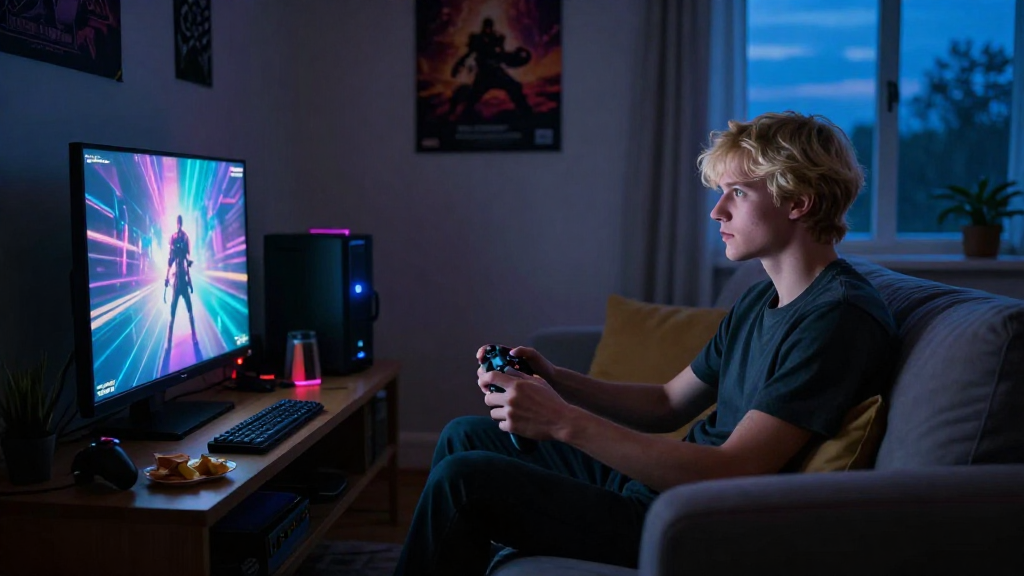
In today’s fast-paced world, the relationship between gaming and mental health has garnered significant attention.
With millions of players worldwide immersing themselves in various gaming experiences, understanding the influence of gaming on mental well-being is crucial.
What Are the Positive Effects of Gaming on Mental Health?
Numerous studies have shown that gaming can have positive effects on mental health. Some of the benefits include:
-
Stress Relief: Engaging in video games can serve as an effective escape from daily stressors, providing players with a way to unwind and recharge.
-
Social Connections: Many games have built-in social features, allowing players to connect with friends or meet new people. This social interaction can counter feelings of loneliness and isolation.
-
Cognitive Benefits: Certain types of games encourage strategic thinking and problem-solving skills. Action games, for instance, can enhance hand-eye coordination and reaction times.
-
Emotional Resilience: Players often face challenges within games. Overcoming these obstacles can foster a sense of achievement and boost self-esteem.
Can Gaming Help with Anxiety and Depression?
Yes, gaming can be a tool for managing anxiety and depression for many individuals.
Engaging in immersive gameplay provides a temporary distraction from negative thoughts.
For some, the act of losing oneself in a virtual world can create a sense of control.
Additionally, games that emphasize collaboration and teamwork can encourage players to communicate their feelings and support one another.
Research indicates that:
- Casual gaming may lead to improved mood states.
- Certain games can enhance relaxation, particularly those designed to promote mindfulness.
Are There Risks Associated with Gaming and Mental Health?
While there are undeniable benefits, it’s essential to consider the risks involved in excessive gaming.
Potential negative impacts include:
-
Addiction: Some individuals may develop a compulsive gaming habit, leading to neglect of responsibilities and personal relationships.
-
Social Isolation: Excessive gaming can result in players withdrawing from face-to-face interactions, impacting their social skills and overall mental health.
-
Aggression: Certain genres of games, particularly violent ones, have been scrutinized for potentially increasing aggressive behaviors in some individuals.
-
Sleep Deprivation: Prolonged gaming sessions can disrupt sleep patterns, leading to fatigue, irritability, and exacerbated anxiety or depression.
How Can Gamers Maintain a Healthy Balance?
To ensure that gaming positively impacts mental health, players can adopt several strategies:
-
Set Time Limits: Moderate your gaming time to prevent excessive gameplay. Consider using an app or a timer to track your session duration.
-
Engage in Mixed Activities: Incorporate other hobbies and physical activities into your routine. Engage in outdoor sports, reading, or community events to provide a balanced lifestyle.
-
Choose Games Wisely: Pick games that promote positive social interactions and have mental health benefits.
-
Stay Aware of Triggers: Monitor your emotional responses during gaming. If you notice negative feelings or stress intensifying, take a break.
-
Connect with Others: Play with friends or join gaming communities where you can share experiences and offer support. Building connections can mitigate feelings of isolation.
What Role Does Game Design Play in Mental Health?
Game design significantly influences the relationship between gaming and mental health.
Developers today are increasingly aware of the mental health implications of their creations.
Key considerations include:
-
Narrative Depth: Games with compelling narratives can evoke emotional responses and promote empathy, which can lead to personal insights.
-
Inclusive Design: Games that cater to a diverse audience and incorporate various difficulty levels can enhance accessibility, providing enjoyable experiences for all players.
-
Relaxation Mechanics: Some games include calming soundtracks and beautiful visuals that can evoke peace and reduce stress.
-
Reward Systems: Games that offer positive reinforcement through achievements can improve players’ self-worth and provide important breaks from reality.
What Are Some Popular Games with Positive Mental Health Benefits?
Several games are noted for their positive impact on mental well-being. Here are a few examples:
-
Stardew Valley: This farming simulation game encourages relaxation and creativity while interacting with charming characters.
-
Journey: This visually stunning game promotes mindfulness through exploration and offers a profound emotional experience.
-
Celeste: Not only does this platformer challenge players, but it also weaves a narrative about mental health, tackling issues like anxiety and self-acceptance.
-
Animal Crossing: New Horizons: This popular life simulation game allows players to create personalized islands and engage with friends, fostering a sense of community.
How Can Parents Monitor Their Children’s Gaming Habits?
For parents looking to understand and manage their children’s gaming habits, here are some tips:
-
Initiate Conversations: Discuss gaming interests openly with your children. Understand the games they play and their content.
-
Set Boundaries: Establish gaming times that fit with other responsibilities, such as homework and chores. Balance is key.
-
Lead by Example: Model healthy gaming habits yourself. Show that while gaming can be fun, it’s essential to engage in other life activities as well.
-
Educate About Online Safety: Teach children about responsible online behavior, including the importance of social interactions and the risks associated with online gaming communities.
Conclusion: What Can We Take Away About Gaming and Mental Health?
The relationship between gaming and mental health is complex and multifaceted.
While gaming can present both benefits and risks, it significantly depends on how individuals engage with the medium.
By understanding the various impacts and implementing healthy practices, players can enjoy gaming as a positive aspect of their lives.
From fostering social connections to providing a beneficial escape, it’s clear that when approached mindfully, gaming can be a powerful tool in supporting mental health and overall well-being.
As always, if you or someone you know is struggling, consider seeking help from a mental health professional.
Balancing gaming with other aspects of life is crucial in enhancing mental health outcomes for all players.