The right memory card protects your shooting time and helps your camera maintain reliable burst and video performance. Speed class, interface, capacity, and tested compatibility all matter when you are choosing storage for photography.
We compared 10 popular SD cards across UHS-I and UHS-II formats, with options for everyday shooting, high-resolution bursts, 4K video, and backup-friendly multi-card kits.
Best 10 Memory Cards for Photographers Picks for 2026
High-Speed Duo
Lexar Professional 1667x 128GB SD Card

- Two-card UHS-II SDXC set
- Up to 250MB/s read speed
- V60 support for 4K capture
Best For: Professional shooters needing speed and a spare card
Rugged Value Pick
GIGASTONE 128GB 4K Camera SD Card

- 128GB UHS-I SDXC capacity
- V30 support for 4K UHD video
- Includes mini case and five-year warranty
Best For: Everyday camera use with added physical protection
Fast UHS-I Favorite
SanDisk Extreme PRO 64GB SD Card

- Up to 200MB/s read speed
- Up to 90MB/s write speed
- U3 and V30 4K support
Best For: UHS-I cameras, burst photography, and quick offloads
Maximum Workflow Speed
Lexar SILVER PRO 128GB SD Card

- Up to 280MB/s read speed
- Up to 120MB/s write speed
- Two cards with V60 4K support
Best For: High-volume professional photo and video workflows
Best Value Pair
PNY Elite-X 128GB SD Card 2-Pack

- Two 128GB SDXC cards
- U3 and V30 for 4K capture
- Shock-, water-, and temperature-resistant design
Best For: Photographers who want a practical two-card setup
Fastest Workflow Pick
Lexar SILVER PRO 128GB SD Card

- Up to 280MB/s read speed
- UHS-II and V60 performance
- Lifetime limited warranty included
Best For: Photographers prioritizing rapid transfers and high-speed capture
Best High-Capacity Choice
SanDisk Extreme PRO 256GB SD Card

- 256GB capacity for longer shoots
- Up to 250MB/s read and 170MB/s write
- U3 and V30 support 4K UHD
Best For: Photographers needing fast, spacious storage
Fast 4K Pick

- Up to 225MB/s read speed for quicker transfers
- V30/U3 support for up to 4K 60FPS recording
- Rugged, camera-friendly design with lifetime limited warranty
Best For: Photographers and videographers needing fast transfers and 4K support
Everyday Value

- 128GB capacity for extensive photo storage
- Up to 140MB/s read speed with compatible devices
- U1/Class 10 support for Full HD video
Best For: Compact and mid-range cameras and camcorders
Professional Speed
SanDisk Extreme PRO 128GB SD Card
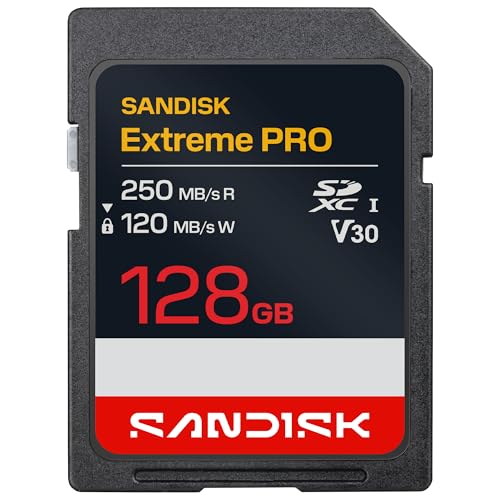
- Up to 250MB/s read speed for rapid transfers
- V30/U3 support for 4K UHD and Full HD video
- Protective design built for demanding conditions
Best For: High-resolution stills and 4K UHD video workflows
High-Speed Duo – Lexar Professional 1667x 128GB SD Card
For photographers seeking dependable memory cards for photographers, this two-card Lexar Professional 1667x set combines UHS-II performance with 128GB of total storage. Its V60 rating suits demanding photo and video work, while backward compatibility helps it fit into UHS-I devices.
Best For: Professional photographers and videographers who want a two-card UHS-II setup for 4K capture and faster file transfers.
Pros:
- Up to 250MB/s read speed for faster transfers
- V60 and U3 ratings support 4K and Full HD recording
- Two 128GB SDXC cards provide convenient backup or rotation
- Limited lifetime warranty and temperature-proof construction
Cons:
- Peak UHS-II speeds require compatible camera and reader hardware
- The listing provides transfer speed details but not a specific write-speed figure
This is a strong choice when workflow speed and having a spare card matter. Confirm that your equipment supports UHS-II before paying for its highest performance.
Rugged Value Pick – GIGASTONE 128GB 4K Camera SD Card
This GIGASTONE card is a practical option among memory cards for photographers who want 128GB of SDXC storage for 4K-capable cameras. Its V30 rating and protective design cover everyday shooting, while the included mini case helps with storage.
Best For: Casual photographers and camera owners who want a single, durable 128GB card for 4K UHD recording.
Pros:
- 128GB capacity for extended photo and video sessions
- V30, U3, and Class 10 ratings support 4K UHD video
- Waterproof, temperature-proof, shock-proof, magnetic-proof, and x-ray-proof design
- Includes a mini case and five-year limited warranty
Cons:
- Up to 100MB/s transfer speed is slower than the UHS-II options here
- Only one card is included
Choose this card when durability and capacity are more important than maximum offload speed. It is a sensible everyday option for compatible cameras using UHS-I SDXC media.
Fast UHS-I Favorite – SanDisk Extreme PRO 64GB SD Card
SANDISK 64GB Extreme PRO SDXC UHS-I Memory Card - C10, U3, V30, 4K UHD, SD Card - SDSDXXU-064G-GN4IN
Check Price On AmazonFor photographers comparing memory cards for photographers, the SanDisk Extreme PRO offers a compact 64GB capacity with up to 200MB/s read speeds and up to 90MB/s write speeds. Its U3 and V30 ratings are designed for sequential bursts and 4K UHD recording.
Best For: Photographers who use UHS-I cameras and prioritize quick offloading, burst shooting, and 4K video support.
Pros:
- Up to 200MB/s read speed with compatible QuickFlow hardware
- Up to 90MB/s write speed for smooth 4K UHD capture
- U3 and V30 ratings support burst photography and 4K recording
- Waterproof, temperature-proof, shockproof, and x-ray-proof
Cons:
- 64GB capacity is smaller than the 128GB alternatives
- Maximum read speed requires a compatible reader and host device
- Sold as a single card
This is a well-rounded UHS-I choice for photographers who regularly transfer files and shoot fast sequences. Its capacity is best suited to users who offload files frequently or prefer multiple smaller cards.
Maximum Workflow Speed – Lexar SILVER PRO 128GB SD Card
Photographers who handle large files will appreciate this Lexar SILVER PRO two-pack. Among memory cards for photographers, it stands out with up to 280MB/s read and 120MB/s write speeds, plus a V60 rating for high-resolution 4K and Full HD capture.
Best For: Professional photographers and videographers working with large files, tight deadlines, and compatible UHS-II cameras or readers.
Pros:
- Up to 280MB/s read and 120MB/s write speeds
- V60 and U3 ratings support high-resolution 4K capture
- Two 128GB SDXC cards help extend shooting capacity
- Backward-compatible with UHS-I devices and backed by a limited lifetime warranty
Cons:
- Maximum performance depends on compatible UHS-II equipment
- Higher speeds may be unnecessary for basic still photography
This is the strongest workflow-focused option in the group, especially for users moving large photo and video files frequently. Its two-card configuration also makes it easier to rotate media during longer shoots.
Best Value Pair – PNY Elite-X 128GB SD Card 2-Pack
For photographers seeking practical memory cards for photographers, this PNY two-pack provides 256GB of combined SDXC storage at a budget-friendly capacity per card. Its Class 10, U3, and V30 ratings support burst-mode photography and 4K Ultra HD recording, with read speeds up to 100MB/s.
Best For: Photographers who want two dependable cards for DSLR, point-and-shoot, or HD video cameras.
Pros:
- Two 128GB SDXC cards provide convenient backup or rotation.
- U3 and V30 ratings support burst photography and 4K recording.
- Designed to resist magnets, shocks, temperature changes, and water.
Cons:
- Its up-to-100MB/s read speed is slower than the premium options here.
- It uses UHS-I rather than the faster UHS-II interface.
The PNY Elite-X two-pack is a sensible choice when flexibility and value matter more than maximum transfer speed. The included pair also makes it easier to keep a spare card ready during a shoot.
Fastest Workflow Pick – Lexar SILVER PRO 128GB SD Card
The Lexar SILVER PRO is one of the fastest memory cards for photographers in this roundup, offering up to 280MB/s read and 120MB/s write speeds. Its UHS-II interface, V60 rating, and 128GB capacity suit high-resolution photography, 4K UHD, and Full HD video workflows.
Best For: Enthusiasts and professionals who frequently transfer large photo or video files and use compatible UHS-II equipment.
Pros:
- Up to 280MB/s read speed can accelerate file transfers.
- Up to 120MB/s write speed supports demanding capture workflows.
- V60, U3, and UHS-II specifications target 4K recording and fast cameras.
- Includes a lifetime limited warranty and access to Lexar’s Recovery Tool.
Cons:
- UHS-II performance depends on compatible camera and reader hardware.
- The single 128GB card offers less capacity than the 256GB alternative.
Choose this Lexar when minimizing offload time is a priority. It is especially compelling for photographers whose cameras, card readers, and editing workflow can take advantage of UHS-II speeds.
Best High-Capacity Choice – SanDisk Extreme PRO 256GB SD Card
Photographers who need room for extended shoots will appreciate this 256GB SanDisk Extreme PRO. Among these memory cards for photographers, it combines substantial capacity with up to 250MB/s read and 170MB/s write speeds, plus U3 and V30 support for 4K UHD and high-resolution stills.
Best For: Photographers and videographers who want a single high-capacity card for longer shooting sessions.
Pros:
- 256GB capacity provides more space for photos and video.
- Up to 170MB/s write speed supports fast content capture.
- U3 and V30 ratings support 4K UHD recording.
- Designed to resist dust, water, temperature extremes, wear, and X-rays.
Cons:
- It is a single-card purchase rather than a multi-card bundle.
- Maximum performance may require compatible devices and readers.
The Extreme PRO is a strong all-around option when capacity is as important as speed. Its rugged feature set and included Memory Zone desktop app add practical convenience for frequent shooters who need to store and manage large amounts of content.
Fast 4K Pick – Lexar Silver 128GB SD Card
For photographers who need responsive storage and faster transfers, this Lexar card is a capable choice among memory cards for photographers. Its V30 rating supports 4K recording, while the 128GB capacity provides room for stills and video.
Best For: Photographers and videographers using compatible Canon, Sony, Nikon, and other cameras who want fast transfers and 4K support.
Pros:
- Up to 225MB/s read speed helps expedite transfers.
- Up to 160MB/s write speed helps keep the card ready for shooting.
- V30, U3, and Class 10 ratings support up to 4K 60FPS video recording.
- Designed to resist drops, temperature changes, X-rays, shocks, magnets, vibration, and wear.
Cons:
- Maximum advertised speeds depend on the host device and usage conditions.
- It is an SDXC card, so camera compatibility should be checked before buying.
This Lexar model stands out when transfer speed, 4K capability, and rugged construction matter more than choosing a basic everyday card. Its lifetime limited warranty adds reassurance for regular use.
Everyday Value – SanDisk Ultra 128GB SDXC Card
This SanDisk Ultra is a practical option for shoppers seeking straightforward memory cards for photographers. With 128GB of storage, up to 140MB/s read speed, and a U1/Class 10 rating, it is designed for compact and mid-range cameras and Full HD video.
Best For: Compact to mid-range point-and-shoot cameras and camcorders recording Full HD video.
Pros:
- 128GB capacity accommodates a large collection of photos.
- Read speeds reach up to 140MB/s with compatible devices.
- U1 and Class 10 ratings support Full HD video recording.
- Resistant to drops, magnets, temperature, water, and X-rays.
Cons:
- U1 performance is intended for Full HD rather than the 4K-focused performance of V30 cards.
- Advertised transfer speed requires compatible equipment and may vary in use.
- The SanDisk card reader is sold separately.
Choose this card for routine photo storage and Full HD capture rather than demanding 4K workflows. Its broad protective features and 10-year limited warranty make it a sensible everyday option for compatible devices.
Professional Speed – SanDisk Extreme PRO 128GB SD Card
For demanding shooting and file-transfer routines, this SanDisk Extreme PRO is one of the more performance-oriented memory cards for photographers. It combines up to 250MB/s read speed with V30 and U3 ratings for 4K UHD video and high-resolution stills.
Best For: Photographers and videographers capturing high-resolution stills or 4K UHD video with compatible cameras.
Pros:
- Up to 250MB/s read speed can accelerate transfers.
- V30 and U3 ratings support 4K UHD and Full HD recording.
- Up to 128GB capacity provides space for extended shooting.
- Designed to withstand dust, water, temperature extremes, wear, and X-rays.
Cons:
- The highest advertised write speeds apply to larger capacities, not the 128GB model.
- Actual performance depends on the camera, reader, and other usage conditions.
This card is a strong fit when 4K capability and rapid transfers are priorities. Its rugged construction and lifetime limited warranty further suit photographers who regularly handle their storage in demanding conditions.
How We Picked the Best Memory Cards for Photographers
We focused on the specifications that affect real camera use: bus interface, sustained write-speed rating, capacity, video-class certification, advertised read speed, and overall value. The selection includes UHS-I and UHS-II SDXC cards, ranging from basic Full HD storage to faster V60 media for demanding burst photography and 4K recording.
Advertised speeds are maximum or conditional figures, so camera compatibility, reader hardware, file sizes, and workload can affect actual performance. A card should meet or exceed your camera manufacturer’s requirements, particularly for high-bitrate video.
Quick Comparison
- Best for fast UHS-II workflows: Lexar Professional 1667x and Lexar Silver Pro cards with V60 ratings.
- Best for everyday 4K shooting: SanDisk Extreme PRO, Lexar Silver, and PNY Elite-X options with U3 or V30 ratings.
- Best for maximum capacity: The 256GB SanDisk Extreme PRO, provided your camera supports that capacity.
- Best for lower-demand photography: SanDisk Ultra, which is aimed more at Full HD and routine stills than intensive burst or 4K work.
- Best for keeping a spare available: The two-pack selections from Lexar, PNY, and other bundled options.
Key Buying Factors for Memory Cards for Photographers
UHS-I Vs. UHS-II
UHS-II cards add a second row of contacts and can deliver substantially faster transfers when paired with a compatible camera and reader. They still work in many UHS-I devices, but performance typically falls back to the slower interface.
Write Speed and Video Class
For photography, sustained write performance influences how quickly a camera clears its buffer during continuous shooting. For video, prioritize the stated V30 or V60 rating and your camera’s required bitrate. A faster read speed mainly helps when transferring images to a computer.
Capacity and Card Management
Choose enough capacity for a full shooting session without putting every image on one card. Two 128GB cards can be more flexible than one large card, while a 256GB card reduces swaps but concentrates more files in one place. Format cards in the camera and replace them when they show errors or unusual behavior.
Compatibility and Authenticity
Check the camera manual for supported SDXC capacities, UHS interfaces, and minimum speed classes. Buy from a reputable seller, retain purchase records, and test new cards before an important assignment.
Who Should Buy Which Memory Cards for Photographers?
Sports, wildlife, and professional event photographers should favor V60 UHS-II cards when their camera supports them and fast offloads matter. Hybrid shooters recording 4K video should choose a reputable U3 or V30 card that meets the camera’s bitrate requirements. Travel and family photographers can usually get strong value from a dependable UHS-I 128GB card or a two-pack. Casual users and Full HD shooters may be well served by a less expensive U1 option, provided it matches the camera’s specifications.