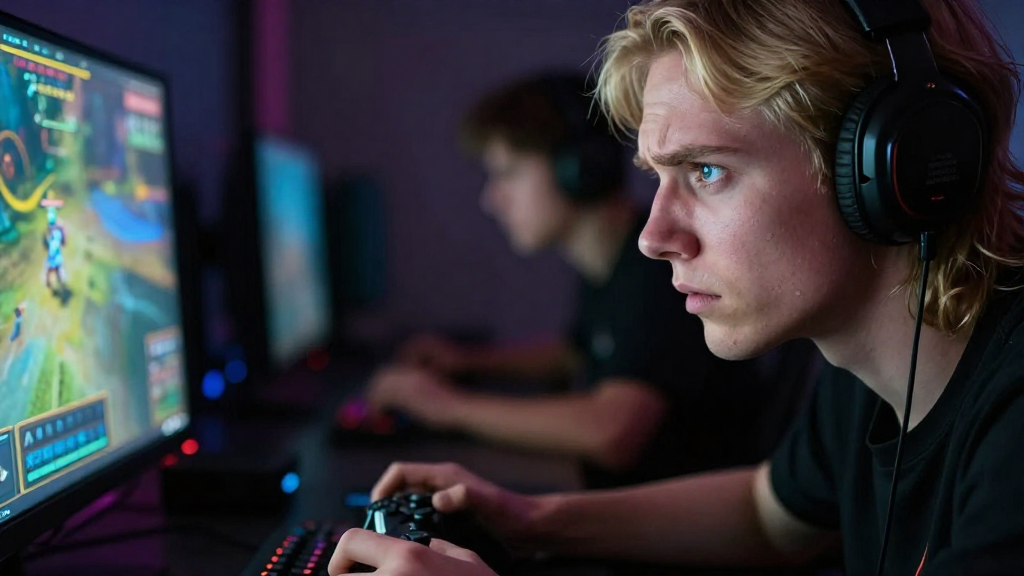
Have you ever wondered why gamers rage?
It’s a question that resonates with both players and observers alike.
From casual gamers to competitive eSports players, the phenomenon of “gaming rage” is an intriguing aspect of modern gaming culture.
In this article, we will explore why gamers rage, examining the psychological triggers, common scenarios, and potential solutions for managing in-game frustration.
What Triggers Gaming Rage?
Understanding why gamers rage begins with identifying the triggers that spark such intense reactions. Here are some common factors:
-
Frustration with Game Mechanics
Many games have steep learning curves or intricate mechanics that can lead to player frustration.
Players often feel overwhelmed when struggling to learn controls or strategies.
This frustration can escalate quickly into anger, especially when losing repeatedly. -
Unfair Competition
In competitive gaming, the fairness of opponents can greatly impact emotions.
Facing overpowered characters, hackers, or players who utilize exploitative tactics can evoke a sense of injustice.
When players perceive they are at a disadvantage due to factors beyond their control, it fuels the fire of rage. -
Team Dynamics
Multiplayer games rely heavily on teamwork.
When team members fail to cooperate or perform poorly, it can lead to feelings of disappointment and anger.
This is particularly evident in games requiring coordination, where one player’s mistakes can affect the entire team’s outcome. -
Emotional Investment
Gamers often invest time and emotion into their gaming experiences.
Losing a match, especially after investing significant effort, can feel like a personal blow.
This emotional connection amplifies the feelings of rage when things don’t go as planned. -
Time Constraints
Many gamers play with limited time due to responsibilities.
When a gaming session is disrupted by unexpected losses, the sensation of wasted time can provoke anger.
This frustration is compounded when players feel they need to “win” quickly.
How Does Gaming Rage Affect Players?
The question of why gamers rage often leads to concerns about the emotional and physical impact of this behavior. Here are several ways that gaming rage can affect players:
-
Increased Stress Levels
Raging during gameplay can elevate cortisol levels, contributing to stress.
This chronic stress can have long-term health implications if not managed properly. -
Deteriorating Relationships
Rage can spill over into real life, straining relationships with friends and family.
Verbal outbursts or aggressive behavior during gaming can alienate fellow players or loved ones. -
Lower Enjoyment of Gaming
Ironically, the very thing meant to be enjoyable becomes a source of frustration.
Frequent rage can lead to burnout or an aversion to gaming altogether. -
Decreased Performance
Anger often clouds judgment and focus.
As a result, a raging gamer may perform worse, leading to a self-reinforcing cycle of frustration.
Are Some Genres More Likely to Trigger Rage?
The type of game being played can significantly affect why gamers rage.
Here are some genres that tend to elicit more intense reactions:
-
First-Person Shooters (FPS)
Fast-paced and competitive, FPS games often lead to quick deaths and intense frustration.
The pressure to perform well can exacerbate emotional responses. -
Battle Royale Games
With a large number of players competing, the stakes feel higher.
In such games, a single mistake can lead to elimination, heightening the sense of urgency and frustration. -
Real-Time Strategy (RTS)
RTS games require rapid decision-making and strategic planning.
Losing complete control over a match can be infuriating, leading to a heightened sense of rage. -
MOBA (Multiplayer Online Battle Arena)
Team-centric games like League of Legends put immense pressure on players.
Coordinated strategies can be derailed by a single player’s poor decisions, causing collective frustration.
What Can Gamers Do to Manage Rage?
Understanding why gamers rage is only half the battle.
Here are some strategies to help manage gaming-related anger:
-
Take Breaks
Stepping away from the game can provide a chance to cool down.
Taking short breaks during intensive sessions can help reset emotions. -
Practice Mindfulness
Engaging in mindfulness or meditation can help gamers maintain emotional control.
Learning to recognize and manage anger can lead to a more enjoyable gaming experience. -
Set Realistic Goals
Instead of striving for perfect play, set achievable goals for each gaming session.
This shift can reduce frustration and allow for a more enjoyable experience. -
Communicate Effectively
In multiplayer settings, maintain open communication with teammates.
Expressing frustrations calmly and constructively can help mitigate collective rage. -
Focus on Fun
Remember that gaming is meant to be fun!
Emphasizing enjoyment over competitive success can alter emotional responses to losses.
When Should Gamers Seek Help?
For some, managing rage isn’t enough.
Understanding why gamers rage can lead to the realization that anger management may be necessary.
Here are signs that seeking help might be beneficial:
-
Frequent Outbursts
If rage becomes a regular part of gaming and spills over into daily life, it may be time to seek help. -
Negative Impact on Relationships
If gaming rage leads to more serious conflicts with friends or family, assistance could be essential. -
Lifestyle Changes
If gaming rage begins to affect work, leisure, and other interests, it’s important to seek professional guidance.
Conclusion: The Path to Gaming Peace
In answering the question of why gamers rage, we uncover deeper layers of emotional investment, game mechanics, team dynamics, and personal psychological states.
Ultimately, while gaming rage is a common experience, it’s crucial to recognize both the triggers and solutions available to gamers.
By applying effective coping strategies, gamers can transform their experiences, fostering a healthier relationship with the games they love.
This shift not only enhances personal enjoyment but also helps build a supportive and harmonious gaming community.
So, the next time you find yourself asking why gamers rage, remember: understanding and controlling our emotions can lead to a more enriching gaming experience.