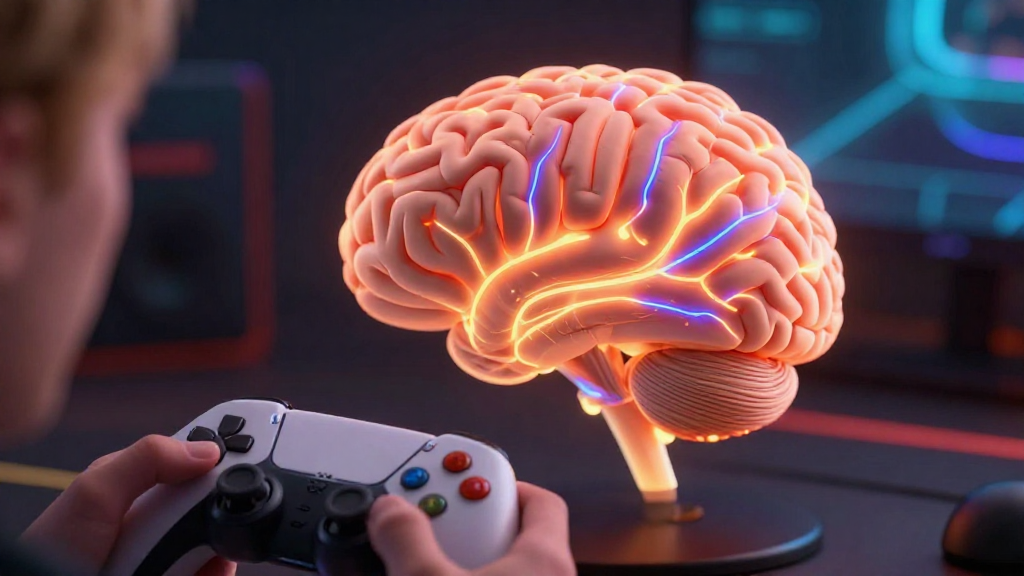
How gaming changes brain function has become a hot topic in both scientific research and popular culture.
As the popularity of video games continues to rise, understanding their impact on our biochemistry and brain structure is essential.
In this article, we will explore the fascinating ways gaming physically transforms the brain, considering both positive benefits and potential drawbacks.
What Are the Key Changes in the Brain Due to Gaming?
When discussing how gaming changes brain function, it’s important to recognize several key areas affected:
-
Neuroplasticity:
– One of the most significant changes involves neuroplasticity, which is the brain’s ability to reorganize itself by forming new neural connections throughout life.
– Studies show that regular gaming can enhance this ability, helping improve cognitive functions. -
Increased Gray Matter:
– Research indicates that engaging with complex video games can lead to increased gray matter volume in specific brain regions.
– Key areas affected include the hippocampus (responsible for memory) and the cerebellum (important for motor control). -
Enhanced Attention and Focus:
– Video games often require players to maintain focus on multiple elements at once, improving attention span and multitasking abilities.
– Such gameplay can lead to improved performance in real-world tasks requiring similar cognitive skills. -
Improved Problem-Solving Skills:
– Strategy-based games, in particular, foster creative thinking and advanced problem-solving skills.
– Gamers regularly practice decision-making in high-stakes environments, translating these skills into daily life.
How Do Games Affect Emotional Processing?
Understanding how gaming changes the brain also involves examining emotional processing.
Video games can significantly influence emotions and social behavior—here’s how:
-
Emotional Regulation:
– Players often develop better emotional regulation skills as they navigate various challenges and virtual narratives.
– Empathy training in role-playing games can lead to improved emotional response in real-life situations. -
Stress Relief:
– For many, gaming serves as a stress-relief mechanism, offering an escape from daily pressures.
– Engaging in immersive gameplay can lower levels of cortisol, a hormone associated with stress. -
Social Interaction:
– Multiplayer games create communities and foster social skills.
– Communication among players can enhance social interactions, leading to increased feelings of belonging and improved mental health.
Are There Any Negative Effects of Gaming on the Brain?
While there are numerous benefits, it’s crucial to discuss the potential downsides of gaming as well.
Here are some negative impacts associated with gaming and how it changes the brain:
-
Addiction:
– Gaming can lead to addictive behaviors that may result in negative changes to brain chemistry, particularly in the reward pathways.
– Over time, individuals might need to invest more time in gaming to feel the same levels of pleasure or stress relief. -
Reduced Physical Activity:
– Prolonged gaming sessions can contribute to a sedentary lifestyle, leading to negative physical health outcomes.
– Physical inactivity can also impact brain health in the long term. -
Aggression and Irritability:
– Some studies suggest that exposure to violent video games may increase aggressive thoughts and behaviors.
– It’s important to monitor emotional responses and potential behavioral issues linked to gameplay.
Can Gaming Actually Make Us Smarter?
Historically, the conversation surrounding gaming has often skewed towards negative consequences.
However, many researchers argue that gaming, in moderation, can significantly enhance cognitive skills.
Here’s how:
-
Critical Thinking:
– Games that challenge players to think critically can improve their analytical skills.
– Players learn to assess situations quickly, weigh options, and make strategic decisions. -
Learning Agility:
– Many games require a player to learn new rules, strategies, or technologies quickly.
– This adaptability helps sharpen innate cognitive abilities and promotes lifelong learning. -
Collaboration Skills:
– Cooperative gameplay fosters team-building and collaborative skills, essential for modern workplaces.
– Engaging in team-heavy gameplay improves communication and coordination with others.
What Types of Games Offer the Most Brain Benefits?
Not all video games are created equal when it comes to their cognitive benefits.
Here are some types you might want to consider for optimal brain enhancement:
-
Puzzle Games:
– Titles like “Tetris,” “Sudoku,” and “Candy Crush” are designed to challenge your problem-solving skills and memory. -
Strategy Games:
– Real-time strategy games, such as “Starcraft,” demand quick thinking, adaptability, and resource management. -
Role-Playing Games (RPGs):
– Engaging narratives in RPGs encourage empathy, decision-making, and critical thinking. -
Simulation Games:
– Games like “The Sims” or flight simulators can enhance planning and predictive skills.
How Can We Maximize Gaming Benefits?
To leverage the positive ways how gaming changes the brain, consider adopting the following strategies:
-
Set Limits:
– Prescription gaming sessions can help mitigate potential negative effects while maximizing cognitive benefits. -
Choose Wisely:
– Focus on games that promote problem-solving, critical thinking, and creativity. -
Take Breaks:
– Regular intervals away from the screen can prevent burnout and promote better focus when gaming. -
Socialize:
– Engage in multiplayer games that allow for social interaction to build emotional and social skills. -
Stay Active:
– Balance gaming with physical activity. This can help mitigate the sedentary effects associated with extended gameplay periods.
Conclusion: Are We Just Starting to Scratch the Surface?
Understanding how gaming changes the brain is an evolving field of study.
As technology advances and games become increasingly sophisticated, researchers continue to uncover new insights.
While gaming does have its ups and downs, embracing its cognitive benefits is essential for all players.
The key lies in achieving a balanced approach that allows gamers to enjoy their passion while also cultivating healthy habits.
By doing so, we can ensure that the act of gaming contributes positively to our development and enhances brain functionality in profound ways.
So, the next time you pick up that controller, remember the significant potential behind every gaming session!