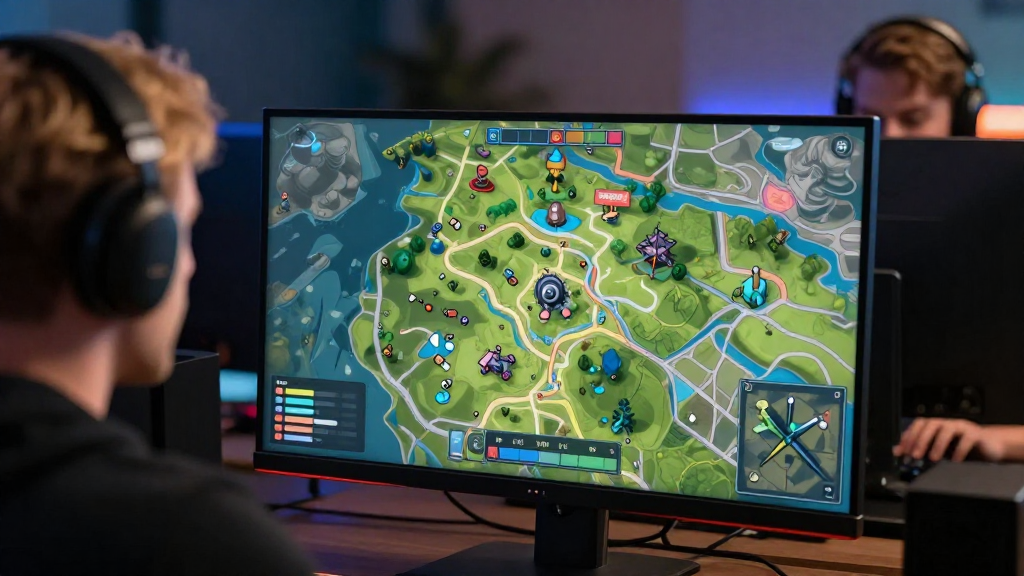
In the gaming world, understanding the landscape is crucial. This article explores how gamers map environments, considering the strategies, techniques, and intuitive methods they employ.
Why is Mapping Important for Gamers?
Mapping environments can be the difference between victory and defeat in many gaming scenarios.
Players who effectively understand the game world can:
- Navigate their surroundings quickly.
- Identify strategic locations for ambushes or retreats.
- Optimize their chances of victory in competitive gameplay.
Understanding map layouts involves more than just memorizing the terrain. It requires players to perceive patterns, recognize landmarks, and practice mindful observation.
How Do Gamers Learn Map Layouts?
How gamers map environments involves a combination of various techniques and skills. These can be boiled down to several key methods:
1. Exploration and Experience
Experiential learning is a core aspect of how gamers map environments.
- Immersion: Gamers exploring new terrains intuitively absorb information about paths, shortcuts, and key landmarks.
- Trial and Error: Players often find themselves in frustrating situations, making wrong turns or ambushes in unfamiliar territory, ultimately leading to learning from mistakes.
Revisiting the same map frequently allows gamers to solidify their understanding over time.
2. Observation of Landmarks
Landmarks play a crucial role in how gamers map environments.
- Distinctive Features: Identifying unique features helps players navigate.
- Visual Cues: Colors, architectural styles, and environmental elements act as reference points for navigation.
These visual cues are not only helpful for navigation but also support team dynamics — allowing players to communicate more effectively during gameplay.
3. Utilizing In-Game Tools
Many modern games include features that assist in mapping environments.
- Minimaps: These provide an overview of the game world, highlighting points of interest and waypoints.
- Waypoints: Marking specific locations helps players remember important details about the map.
- Compass and HUDs: Game interfaces often provide additional information, aiding players in understanding their position relative to objectives.
4. Watching Other Players
Players can accelerate their learning curve by observing others.
- Streamers and Content Creators: Watching experienced players can offer insights into effective strategies for navigating complex maps.
- Competitive Play: Many gamers analyze professional matches, understanding how top players utilize specific map elements.
Learning through observation allows gamers to pick up tricks and shortcuts that they may have overlooked themselves.
5. Participating in Community Guides and Discussions
The gaming community is rich in resources when it comes to how gamers map environments.
- Forums: Websites like Reddit and gaming fora host discussions filled with tips.
- Guides and Tutorials: Many fans create detailed mapping guides, sharing their knowledge on layouts and effective strategies.
These collaborative efforts lead to a richer understanding of map layouts, helping all players improve their skills.
6. Engaging in Practice Matches
Practicing in real game scenarios is one of the most effective ways to learn.
- Custom Games: Many games permit players to set up scenarios where they can freely explore maps without the pressure of competition.
- Lighter Modes: Casual match modes allow players to experience maps without the serious stakes of ranked gameplay.
These opportunities to practice lead to increased confidence and familiarity with the environments.
How Does Repetition Affect Learning Map Layouts?
Repetition plays a significant role in reinforcing memory, particularly in understanding how gamers map environments.
- Regular Play: Constantly revisiting the same maps leads to faster recognition of landmarks and paths.
- Muscle Memory: Gamers develop muscle memory for certain movements and routes, allowing quicker navigation during high-pressure situations.
- Meta Learning: As players become more familiar with maps, they start to link certain environments with specific strategies, aiding long-term retention.
Do Different Game Genres Require Unique Mapping Techniques?
Yes, mapping techniques can differ widely between game genres.
1. First-Person Shooters (FPS)
In FPS games, quick map recall is usually vital for survival.
- Focus on Speed: Gamers need rapid navigation and responses to survive intense firefights.
- Strategic Positioning: Players learn high ground and choke points quickly.
2. Real-Time Strategy (RTS)
In RTS games, gamers focus on broader map awareness.
- Resource Locations: Understanding resource collection points is essential for strategic advantages.
- Unit Movement: Players must be aware of terrain features that affect unit movement and combat efficiency.
3. Role-Playing Games (RPG)
In RPGs, maps are often larger and more complex.
- Quest Locations: Players need to memorize quest markers and common routes.
- Exploration: Discovering hidden areas is part of the experience, often requiring an understanding of environmental storytelling.
How Can Gamers Improve Their Mapping Skills?
Improving mapping skills is important for all gamers looking to enhance their gameplay.
Here are some actionable tips:
- Play Diverse Games: Engaging in different genres can provide insights into varied map structures.
- Analyze Past Games: Review previous sessions to identify errors and areas needing improvement.
- Solo Exploration: Spend time playing in non-competitive settings, focusing on map traversal without distractions.
- Seek Feedback: Consult with fellow players for book tactics, incorporating advice into future gameplay.
By integrating these practices, gamers can improve their map learning abilities and enhance their overall gameplay experience.
Conclusion
Understanding how gamers map environments is a fascinating blend of exploration, observation, community engagement, and strategic thinking.
As players navigate through different landscapes, they employ a range of techniques emphasizing the importance of maps in gaming.
From meticulous exploration to the wisdom of the gaming community, the methods outlined in this article equip gamers with tools to better analyze and understand game maps.
By mastering the art of mapping, gamers significantly enhance their strategic gameplay, leading to greater satisfaction and success in their gaming adventures.