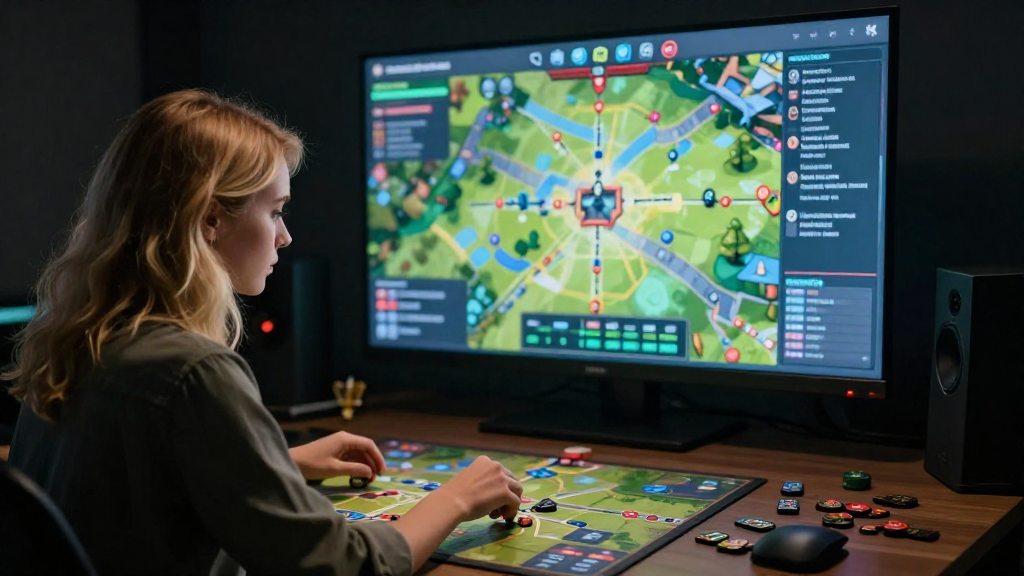
In today’s fast-paced world, the concept of gaming and tactical flexibility is becoming increasingly significant.
As players navigate through complex scenarios, they often find themselves called to adapt their strategies in real-time. This raises the question: Can games indeed foster this essential skill of adaptability?
What is Tactical Flexibility?
Tactical flexibility is the ability to adjust one’s plans quickly in response to unexpected circumstances or new information.
Key characteristics of tactical flexibility include:
- Adaptability: The skill to change plans when the situation calls for it.
- Critical thinking: The ability to analyze and assess situations rapidly.
- Decision-making: Making quick and effective choices under pressure.
- Situational awareness: Understanding what is happening around you to make the best choices.
Through gaming and tactical flexibility, players can practice these attributes effectively, enhancing their real-life capabilities.
Are Games Designed for Tactical Training?
Yes! Many games are specifically designed to improve players’ tactical flexibility.
Here are some game genres that excel in this regard:
-
Strategy Games: Titles such as “StarCraft” or “Civilization” require players to devise and adjust strategies continuously.
-
First-Person Shooters (FPS): Games like “Call of Duty” or “Counter-Strike” often necessitate quick reflexes and adaptive strategies based on the opposing team’s actions.
-
Role-Playing Games (RPG): In games like “The Witcher” or “Final Fantasy,” players must analyze enemy behaviors and choose skills or gear accordingly.
-
Massively Multiplayer Online (MMO) Games: Games like “World of Warcraft” challenge players to adapt their tactics based on team dynamics and in-game events.
These types of games offer dynamic environments where players are encouraged to hone their tactical flexibility.
How Do Games Promote Tactical Flexibility?
Several elements of gameplay foster the development of tactical flexibility.
Key elements include:
-
Dynamic Challenges: Games often present a range of challenges that require players to change their tactics unexpectedly.
-
Real-time Decision Making: Many games require players to make decisions under time constraints, mirroring high-pressure real-world situations.
-
Resource Management: Players need to allocate their resources wisely, adjusting strategies based on availability and outcomes.
-
Feedback Loops: Players receive immediate feedback on their actions, allowing them to refine their approaches swiftly.
-
Collaborative Play: Many games require team strategies, compelling players to adapt not just individually, but also collaboratively.
Through these mechanics, players experience a safe environment where they can experiment and learn the vital aspect of gaming and tactical flexibility.
Can Tactical Flexibility Translate to Real Life?
Absolutely! Skills learned in gaming can be beneficial in various real-life situations.
Participants in gaming and tactical flexibility can translate their skills into many real-world scenarios.
For instance:
- Workplace Dynamics: Adapting to changing team dynamics and project requirements.
- Sports: Adjusting strategies mid-game based on opponents’ performances.
- Emergency Situations: Making quick, effective decisions in stressful environments.
- Negotiation: Navigating conversations to reach favorable outcomes.
The transfer of skills from virtual environments to real-life situations often provides players with a broader perspective and enhanced capabilities.
What Evidence Supports Gaming’s Influence on Tactical Flexibility?
Multiple studies have investigated how gaming, particularly action and strategy games, relates to cognitive flexibility.
Research findings suggest that:
- Improved Cognitive Skills: Gamers often display enhanced problem-solving skills compared to non-gamers.
- Better Adaptability in Complex Situations: Studies show that players adapt their strategies more effectively under pressure.
- Increased Quick-Thinking Abilities: Gamers often can make rapid decisions that reflect a higher degree of cognitive flexibility.
These results highlight the beneficial correlation between gaming and tactical flexibility, encouraging players to incorporate games into their training for improved adaptability.
Which Games Are Best for Improving Tactical Flexibility?
To enhance tactical flexibility through gaming, consider these popular titles:
-
“StarCraft II”: A real-time strategy game that requires players to adapt quickly to opponents’ actions and plan accordingly.
-
“Overwatch”: A team-based first-person shooter that encourages players to switch characters and tactics based on in-game dynamics.
-
“XCOM 2”: A tactical turn-based strategy game that necessitates players to adapt their strategies in light of constantly changing battlefields.
-
“Rainbow Six Siege”: An FPS game that integrates tactics, teamwork, and adaptability in high-stress situations.
-
“FIFA”: A sports game that tests adaptability in player positioning and strategy according to real-time match progression.
These titles not only require tactical flexibility but provide countless hours of engaging gameplay while improving cognitive capabilities.
What Are the Limitations of Games in Teaching Tactical Flexibility?
While gaming shows immense potential in enhancing tactical flexibility, it is important to recognize its limitations.
Some limitations include:
-
Overemphasis on Virtual Scenarios: Real-life complexities may differ significantly from gaming environments.
-
Addictive Behaviors: Prolonged gaming sessions might lead to neglect of other crucial skills and responsibilities.
-
Skill Transfer Challenges: Skills learned in games may not always translate effectively to real-world contexts.
Balancing gaming with other activities – like physical fitness, social interactions, and hands-on experiences – can mitigate these limitations.
Conclusion: The Future of Gaming and Tactical Flexibility
As the gaming landscape evolves, its role in developing skills such as tactical flexibility will continue to grow.
The fusion of dynamic storytelling, immersive environments, and heightened cognitive challenges means that players can cultivate invaluable skills needed in various life aspects.
In conclusion, gaming and tactical flexibility are closely intertwined.
By leveraging the opportunities that games offer for practicing adaptability, players can become better equipped to handle real-life challenges with composure and creativity.
Invest time in exploring games that hone this essential skill, and you may find yourself reaping the long-term benefits in your personal and professional life.