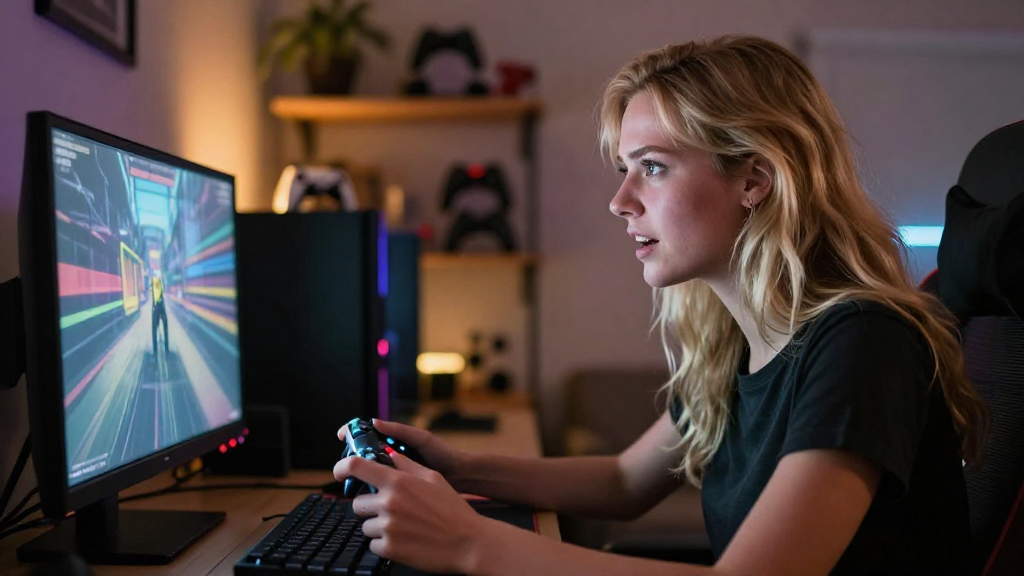
In today’s digital landscape, the connection between gaming and self-control has become a prominent topic.
For many, gaming acts as an escape and a source of immense enjoyment.
However, the question arises: does this leisure activity demand a level of self-regulation?
What Role Does Self-Control Play in Gaming?
Self-control refers to the ability to regulate one’s emotions, thoughts, and behaviors in the face of temptations and impulses.
When it comes to gaming, this notion is particularly relevant.
Players often find themselves engrossed in their favorite games, which can lead to excessive gameplay.
This is where the need for self-control becomes crucial.
Here are some specific aspects related to gaming and self-control:
-
Time Management:
– Players may lose track of time while gaming.
– A well-balanced schedule allows for both gaming and other responsibilities. -
Financial Responsibility:
– Many games offer in-game purchases.
– Self-control is necessary to avoid overspending on microtransactions or additional content. -
Emotional Regulation:
– Gaming can evoke strong emotions, from excitement to frustration.
– Players need self-control to handle these feelings, especially during competitive play. -
Prioritizing Responsibilities:
– It’s easy to prefer gaming over important tasks.
– Self-control helps ensure that priorities are managed effectively.
How Can Gaming Test Self-Control?
Gaming can be a double-edged sword. On one hand, it’s an enjoyable pastime; on the other, it can lead to distractions and negatively impact daily life.
Here are some scenarios where gaming can challenge self-control:
- Addictive Gameplay:
- Many games employ tactics like loot boxes, achievements, and social aspects to keep players engaged.
-
This can lead to compulsive playing patterns that can overshadow other areas of life.
-
Social Pressure:
- Multiplayer environments create a competitive atmosphere.
-
Players may feel pressured to keep up with peers, leading to prolonged gaming sessions.
-
Escapism:
- For some individuals, gaming serves as a form of escape from reality.
- This can be detrimental if it stops them from dealing with real-life issues.
So, how can gaming habits be managed to promote healthier behavior and maintain self-control?
How Can You Develop Self-Control in Gaming?
Improving self-control in gaming is not an insurmountable task.
Here are practical strategies to help players enhance their self-regulation skills:
-
Set Clear Limits:
– Determine specific times for gaming, such as limiting sessions to just a couple of hours.
– Use alarms or timers to help enforce these limits. -
Create Schedules:
– Balance gaming time with other obligations like work, school, or family time.
– Setting a daily or weekly schedule can help you visualize your gaming around other priorities. -
Be Aware of Triggers:
– Identify situations that lead to excessive gaming.
– Note patterns in your gaming habits and make adjustments accordingly. -
Establish Gaming Goals:
– Set small and achievable goals that encourage meaningful gaming experiences without leading to overindulgence.
– For instance, finishing a story campaign can be a good goal compared to just playing for hours without purpose. -
Engage in Other Activities:
– Find hobbies outside gaming that provide joy and fulfillment.
– Activities like reading, sports, or socializing can satisfy your need for engagement. -
Complete Tasks Before Gaming:
– Commit to finishing all vital tasks before indulging in gaming.
– Rewarding yourself with gaming time after completing responsibilities can reinforce self-control.
Can Gaming Foster Self-Control?
While gaming often tests self-control, it can also nurture it.
Certain genres and gaming experiences may encourage behaviors that lead to improved self-regulation:
- Strategic Games:
- Titles that require planning and foresight, such as strategy games, can improve players’ decision-making skills.
-
These games teach players to weigh options carefully and think critically.
-
Puzzle Solving:
- Games that focus on puzzles can cultivate patience and persistence.
-
Players learn to approach challenges thoughtfully rather than impulsively.
-
Role-Playing Games (RPGs):
- Through character progression and narrative choices, RPGs can teach goal-setting and consequence evaluation.
- These games allow players to reflect on their decisions and could translate into better self-control in real life.
What Are the Risks of Poor Self-Control in Gaming?
Failing to exercise self-control in gaming can have several adverse effects.
These can impact not only your gaming experience but also other aspects of life.
Some potential negative consequences include:
- Health Issues:
- Excessive screen time can lead to posture problems, eye strain, and other health issues.
-
Lack of physical activity due to prolonged gameplay can also contribute to obesity and related conditions.
-
Social Isolation:
- Completing hours in a virtual world can result in neglecting real-world relationships.
-
This disconnection can adversely affect mental health and well-being.
-
Declining Performance in Other Areas:
- Poor gaming habits can lead to deficiencies in responsibilities such as work, school, and relationships.
- This can result in missed deadlines and increased stress levels.
Conclusion: Finding Balance Between Gaming and Self-Control
Ultimately, gaming and self-control are deeply intertwined.
While gaming can offer relaxation and relief, managing one’s gaming habits is essential for maintaining a healthy balance.
Adopting strategies to enhance self-control can not only improve your gaming experience but also result in a more fulfilling life.
Always remember that moderation is key.
Leveraging self-control while gaming can lead to a richer experience both in-game and in reality.
By setting boundaries, establishing schedules, and focusing on other activities, you can ensure that gaming remains an enjoyable hobby rather than a source of conflict in your life.
Take the time to foster both gaming enjoyment and the cultivation of self-control for a balanced lifestyle.