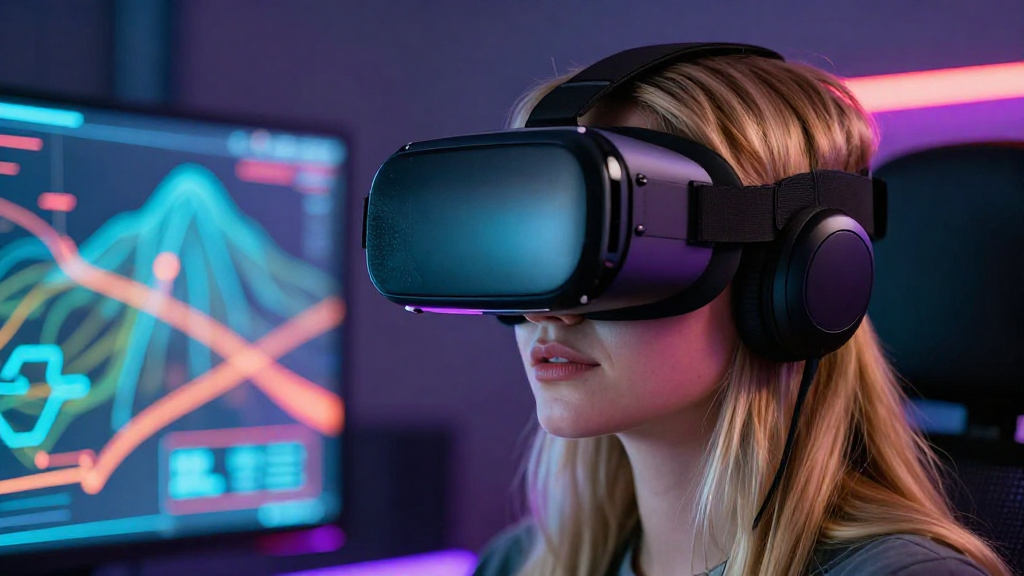
As technology continues to advance, the question of whether gaming and risk assessment are interconnected has become a topic of interest among researchers and gamers alike.
How Do Video Games Influence Decision-Making?
The relationship between gaming and risk assessment lies in how players make decisions in high-pressure situations.
Video games, especially those in the action, strategy, and simulation genres, often place players in scenarios that require quick thinking and evaluation of potential outcomes.
This process can enhance critical thinking and improve players’ ability to assess risks.
Research conducted on various game genres has indicated that certain types of gaming do promote skills that translate well into real-world risk assessment.
What Types of Games Enhance Risk Assessment Skills?
- Strategy Games: These games require players to devise long-term plans while considering potential threats and opportunities.
- Examples: “Age of Empires,” “StarCraft,” and “Civilization”
- Action Games: Fast-paced, real-time decision-making in action games hones players’ reflexes and situational awareness.
- Examples: “Call of Duty,” “Fortnite,” and “Overwatch”
- Simulation Games: These games mimic real-world processes and help players navigate complex scenarios to make informed decisions.
- Examples: “SimCity,” “The Sims,” and “Microsoft Flight Simulator”
By engaging with these types of games, players are often forced to evaluate the risks involved in their decisions and alter their strategies based on the success or failure of previous actions.
How Does Gaming Foster Risk Assessment Skills?
The process of gaming and risk assessment involves several cognitive functions:
-
Analytical Thinking: Players analyze available data, considering both the immediate and long-term impacts of their choices.
-
Adaptive Learning: Each gaming session provides new experiences, allowing players to learn from their mistakes.
-
Stress Management: High-stakes situations in games teach players to maintain composure and think critically under pressure.
-
Scenario Simulation: Players often encounter varied challenges, prompting them to devise multiple strategies for overcoming obstacles.
These cognitive processes not only enhance gaming experiences but also transfer into real-life skills.
Can Gaming Lead to Better Real-World Risk Assessment?
Several studies indicate that players who actively engage in strategic gameplay exhibit improved decision-making abilities.
-
Cognitive Flexibility: Gamers often switch between different strategies and tactics, allowing them to adapt quickly when new information arises.
-
Improved Predictive Skills: Players learn to anticipate their opponents’ moves and strategies based on previous encounters.
-
Data Interpretation: Games present players with data, which they must analyze for optimal decision-making.
In a workplace context, these skills can translate into increased situational awareness and improved risk management.
For instance, employees trained through simulation games display better crisis response capabilities compared to those who have not engaged in such experiences.
Are There Any Downsides to Gaming and Risk Assessment?
While there are numerous benefits associated with gaming and risk assessment, there are potential drawbacks to consider:
-
Overconfidence: Players may develop overconfidence in their decision-making abilities, leading to risky real-world choices.
-
Gaming Addiction: Excessive gaming can result in neglect of real-world responsibilities, affecting risk management in personal and professional lives.
-
Desensitization: Exposure to virtual risk may lead to desensitization towards real-world dangers, diminishing one’s ability to accurately assess risks.
How Can We Maximize Positive Outcomes from Gaming?
To ensure that gaming positively influences risk assessment, players should consider the following strategies:
-
Set Limits: Establish time limits for gaming sessions to avoid addiction and promote a healthy balance.
-
Diversify Game Genres: Play games that involve different types of decision-making to develop a well-rounded skill set.
-
Reflect on Game Experiences: After gaming sessions, analyze decisions made, evaluating what worked and what didn’t for future reference.
-
Apply Learnings: Try to integrate gaming insights into real-world situations. Reflect on strategies used in games when making personal or professional decisions.
By combining gaming with conscious reflection, players can harness the benefits of gaming and risk assessment in their daily lives.
What Do Experts Say About Gaming and Risk Assessment?
Research findings on the connection between gaming and risk assessment present insightful trends:
-
Cognitive Research: Studies by cognitive psychologists highlight how gaming enhances problem-solving and analytical thinking capabilities.
-
Professional Development: Trainers in specific industries have started incorporating simulation games to improve participants’ decision-making under pressure.
-
Educational Applications: Some educational institutions use gaming as a teaching tool, enabling students to engage in risk assessment activities within controlled environments.
Conclusion: Is Gaming a Pathway to Better Risk Assessment?
The evidence suggests that gaming may indeed improve risk assessment skills.
While engaging in simulation, strategy, and action games, players cultivate essential skills that can translate effectively into real-world decision-making scenarios.
By being mindful of our gaming habits, embracing the positives, and learning from both successes and failures, we can shape our abilities to assess risks more effectively.
In the fast-paced world we live in, embracing the skills gained through gaming and risk assessment can ultimately lead to better decision-making, increased confidence, and improved outcomes in various aspects of life.
As we continue to explore the impact of video games on cognitive functions, it is crucial to observe how these insights can help us navigate our complex world more effectively.