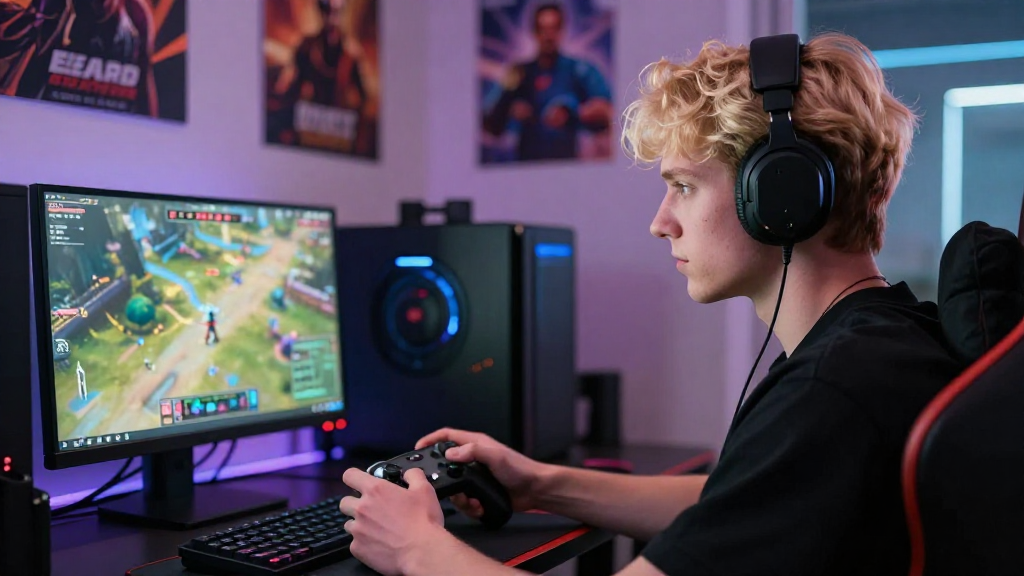
Can gaming and leadership skills coexist?
As the digital landscape evolves, gaming has emerged as a significant social and developmental platform. Not everyone realizes that engaging in video games can provide more than entertainment; it can also help develop leadership skills that are invaluable in real-world situations. In this article, we will delve into how gaming fosters leadership abilities in individuals of all ages.
How Does Gaming Foster Leadership Skills?
While gaming may seem like a leisurely pursuit, it is packed with opportunities to nurture leadership skills.
1. Encouragement of Teamwork
Many games, especially multiplayer and team-based titles, require players to collaborate with others to achieve a common objective.
- In these environments, players must communicate effectively.
- They learn to listen to diverse viewpoints and integrate different strategies.
- This teamwork fosters critical leadership qualities like empathy, negotiation skills, and conflict resolution.
2. Strategic Thinking and Problem Solving
Gaming often immerses players in complex scenarios that require sound judgment and strong strategic thinking.
- Players frequently encounter challenges where they must assess situations, predict enemy movements, and devise rapid responses.
- This cultivates analytical skills essential for effective leadership.
- Quick decision-making is also a trait of strong leaders, and gaming sharpens this skill by placing players in time-sensitive situations.
3. Learning from Failure
In gaming, failure is not merely a setback; it’s an opportunity for growth.
- Players frequently face challenges that prove difficult or insurmountable.
- These setbacks teach resilience, encouraging players to reflect on mistakes, learn from them, and try again.
- The ability to learn from failure is essential for leaders. It helps in embracing challenges and inspires teams to remain motivated despite obstacles.
What Types of Games are Best for Developing Leadership Skills?
Certain genres of games are particularly effective in fostering gaming and leadership skills:
1. Strategy Games
These games, such as Civilization or StarCraft, require players to plan long-term strategies, manage resources, and make critical decisions that impact the outcome of the game.
- Benefits: They build strategic foresight and problem-solving skills.
- Example: In Civilization, players must analyze various global factors that affect their civilization and adapt their strategies accordingly.
2. Role-Playing Games (RPGs)
These games often place players in the roles of leaders or key characters who must guide groups through quests or challenges.
- Benefits: Players develop empathy, storytelling skills, and the ability to inspire others.
- Example: In games like Final Fantasy, players lead teams and must make choices that affect not only their character but the entire party.
3. Simulation and Management Games
Games such as The Sims or Football Manager simulate real-life management scenarios where players manage resources, lead teams, and make tough decisions.
- Benefits: They build organizational skills and teach players about the consequences of their decisions.
- Example: Players in Football Manager must analyze statistics and make choices on player management, mirroring real-life decision-making in sports leadership.
4. Cooperative Multiplayer Games
Games like Overwatch or Valorant require players to work together closely, coordinating tactics and strategies.
- Benefits: They enhance communication skills and build camaraderie among team members.
- Example: Success in these games often hinges on the team’s ability to collaborate effectively, simulating real workplace environments.
Can Gaming Enhance Emotional Intelligence?
Emotional intelligence (EQ) is a critical component of effective leadership.
1. Recognition of Emotions
Many games require players to read character reactions or understand the motives behind an NPC’s actions.
- This cultivates a player’s ability to recognize emotions in others, a foundational aspect of EQ.
2. Managing Relationships
In cooperative games, players must navigate relationships with teammates, balancing competitive instincts with collaborative spirit.
- This experience equips players with skills in diplomacy and relationship management, crucial for leaders working with diverse teams.
What Life Skills are Reinforced Through Gaming?
Apart from direct leadership skills, gaming reinforces several relevant life skills, including:
-
Communication: Players learn to articulate thoughts clearly and concisely while collaborating with others in real-time.
-
Adaptability: The ever-changing dynamics of video games teach players to adapt quickly, a vital quality in fast-paced business environments.
-
Critical Analysis: Many games require players to assess situations thoroughly before making decisions, enhancing critical thinking skills.
How Can Parents and Educators Encourage Mindful Gaming?
For parents and educators looking to harness the benefits of gaming for developing leadership skills, consider the following:
-
Set Guidelines: Establish boundaries for game time to promote a balance between gaming and other important activities.
-
Choose Educational Games: Focus on games designed specifically to enhance cognitive skills or include leadership scenarios.
-
Encourage Discussions: After gaming sessions, discuss strategies, decisions made, and the rationale behind them. This reflection deepens understanding.
Are There Any Downsides to Gaming and Leadership Skills?
While there are undeniable benefits to gaming, it’s essential to acknowledge potential downsides:
-
Excessive Screen Time: Extended gaming sessions can lead to a sedentary lifestyle, affecting overall health.
-
Toxic Behavior: Online environments can sometimes foster negative interactions that may hinder the development of constructive leadership qualities.
-
Addiction: The engaging nature of gaming can lead to compulsive behavior, detracting from responsibilities and real-life social interactions.
Finding a healthy balance is crucial to maximizing the positive aspects of gaming while mitigating potential risks.
Conclusion: Can Gaming Really Help Build Leadership Skills?
In summary, gaming and leadership skills are intricately linked in many ways.
From fostering teamwork and strategic thinking to enhancing emotional intelligence, gaming offers a unique platform to develop skills that are applicable in academic and professional contexts.
As the gaming industry continues to grow, so does the potential for individuals to develop leadership qualities through immersive experiences.
Encouraging mindful gaming practices can ensure that players harness these benefits while being mindful of the associated challenges. Thus, embracing gaming not only serves as a form of entertainment but can also lay the foundation for the next generation of leaders.