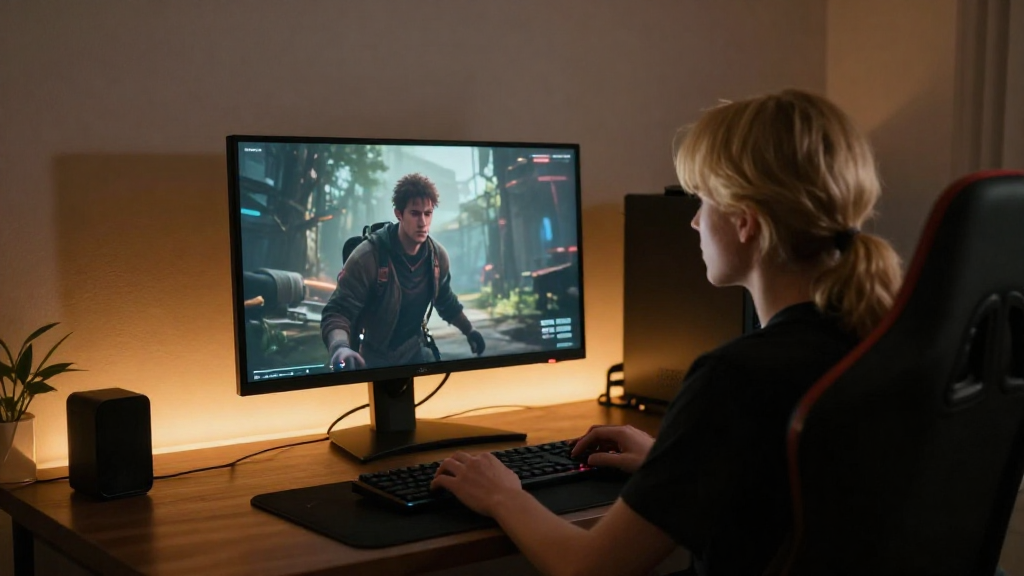
Gaming and emotional control are intricately linked in various ways, affecting how individuals interact with challenging situations in real life.
In recent years, the conversation around gaming has evolved.
No longer seen merely as a frivolous pastime, video games are recognized for their complex mechanics that can influence various aspects of mental health.
One crucial area that has attracted attention is emotional control.
This article explores how gaming affects emotional regulation, providing insights into both its positive and negative impacts.
What Role Does Gaming Play in Emotional Regulation?
Emotional regulation refers to the ability to manage and respond to emotional experiences.
For many, gaming serves as a platform for practicing these skills.
Here’s how:
– Enhancing Problem-Solving Skills: Many games require players to solve complex problems under pressure.
This can train individuals to think critically and manage their emotions when facing obstacles.
-
Providing Safe Spaces for Expression: Games often create environments where emotions can be expressed without real-life consequences.
For example, players can display anger or frustration in a game setting, allowing them to explore these feelings safely. -
Fostering Social Connections: Multiplayer games encourage teamwork, requiring players to communicate effectively under stressful conditions.
This can enhance emotional intelligence as they learn to interpret the feelings of others and respond accordingly.
How Can Gaming Lead to Emotional Fatigue?
While gaming has many benefits for emotional control, it can also lead to negative outcomes.
Understanding these potential pitfalls is crucial for anyone who engages in gaming regularly.
Here are some factors to consider:
– Addiction: Excessive gaming can lead to addiction, resulting in emotional exhaustion and detachment from reality.
-
Escapism: When individuals use gaming as a means to escape from real-life problems, they may neglect to address underlying emotional issues.
-
Increased Aggression: Certain violent video games have been associated with increased levels of aggression in some players, affecting their emotional regulation negatively.
How Does Gaming Foster Emotional Resilience?
Resilience is the ability to bounce back from adversity, and gaming provides unique scenarios that can enhance this quality.
How does this work?
-
Facing Consequences: In many games, players face immediate consequences for their actions.
This serves as a simulation of real-world repercussions, promoting accountability. -
Learning from Failure: Most video games require players to fail multiple times before achieving success.
This cyclical process can teach individuals how to manage disappointment and learn from mistakes. -
Encouraging Goal Setting: Games often have specific levels, challenges, or achievements to unlock.
Setting and reaching these goals can translate into real-life skills for emotional management.
What Impact Does Game Design Have on Emotional Responses?
The design of a game can significantly influence how it affects players’ emotional control.
Game developers utilize various elements to engage players on an emotional level.
Consider these aspects:
– Storytelling: Narrative-driven games often tackle profound emotional themes, providing players with a platform for exploration and empathy.
-
Visual and Auditory Cues: The use of colors, music, and sound effects can evoke specific emotional responses, aiding in emotional expression and regulation.
-
Character Development: Players often develop attachments to characters, which can evoke empathy and collaboration, enhancing their emotional skill set.
How Can Gaming Help Improve Social Skills?
One of the often-overlooked benefits of gaming is its impact on social interaction.
Many games require teamwork, communication, and emotional understanding.
Here’s how:
– Team-Based Gameplay: Games like team shooters or strategy games necessitate teamwork, requiring players to cooperate to achieve common goals.
-
Communication Skills: Players often engage in voice or text chats, which helps develop their ability to communicate emotions effectively.
-
Reading Nonverbal Cues: Games with complex characters allow players to practice recognizing and interpreting emotions, enhancing their interpersonal skills.
Are There Negative Effects of Gaming on Emotional Control?
Despite the numerous benefits, it is essential to address the negative implications of gaming and emotional control.
Here are a few areas of concern:
-
Social Isolation: If individuals prefer gaming over real-life interactions, they may develop social anxiety and emotional detachment.
-
Desensitization to Violence: Repeated exposure to violent games may dull emotional reactions, making it challenging to respond empathetically to real-life conflicts.
-
Stress and Anxiety: Competitive gaming can heighten stress and anxiety levels, affecting one’s emotional health in the short and long term.
How Do Different Game Genres Influence Emotional Control?
The genre of a game can drastically alter its impact on emotional control.
Here’s an overview of how various genres contribute:
-
Role-Playing Games (RPGs): Often involve deep storytelling and character development, helping players explore complex emotions and ethical dilemmas.
-
Puzzle Games: These games enhance problem-solving skills and can be therapeutic, allowing players to focus and reduce stress.
-
Action Games: Fast-paced and highly stimulating, but they can lead to increased anxiety levels due to the immediate pressure of performance.
-
Simulation Games: Platforms that allow players to simulate life experiences can foster empathy and emotional understanding, encouraging players to reflect on their real-world emotions.
Conclusion: Understanding the Balance of Gaming and Emotional Control
In conclusion, the relationship between gaming and emotional control is multifaceted.
While gaming offers platforms for developing emotional skills, it is essential to recognize potential drawbacks.
By approaching gaming mindfully and maintaining a healthy balance, players can significantly enhance their emotional regulation.
Ultimately, it’s about leveraging the positive aspects while being aware of and managing the negative ones.
As our understanding of gaming’s impact grows, it is crucial to continue exploring its potential benefits for emotional development in today’s digital age.