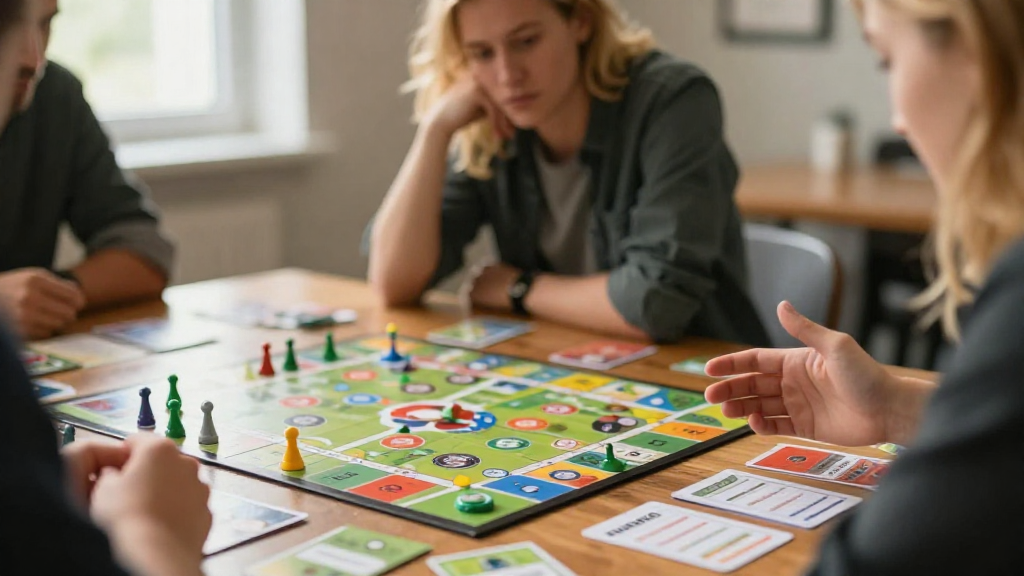
Do games teach negotiation skills? This question resonates with educators, parents, and those involved in professional development alike.
As society becomes more interconnected, the importance of effective negotiation skills has never been greater. Whether in a business setting, personal relationships, or international diplomacy, the ability to negotiate successfully is a vital life skill. In this article, we will explore how games can indeed teach and enhance negotiation skills, providing insights into which types of games are most effective.
What Types of Games Enhance Negotiation Skills?
Games can be broadly categorized into several genres, each offering unique opportunities to develop negotiation skills:
-
Role-Playing Games (RPGs)
– Examples: Dungeons & Dragons, Divinity: Original Sin
– In RPGs, players often find themselves negotiating with characters for resources, alliances, and information, making these games inherently focused on negotiation. -
Strategy Games
– Examples: Risk, Diplomacy
– These games require players to form alliances, make trades, and negotiate terms with others to secure victory, offering practical negotiation scenarios. -
Board Games
– Examples: Settlers of Catan, Monopoly
– Board games frequently involve trading, bargaining, and deal-making, all of which are critical components of effective negotiation. -
Video Games
– Examples: The Elder Scrolls V: Skyrim, The Sims
– Many modern video games incorporate negotiation as a gameplay element, challenging players to bargain or influence characters for desired outcomes.
How Do Games Teach Negotiation Skills?
Can Games Provide Real-Life Scenarios?
Yes, games can provide players with real-life negotiating scenarios.
When players engage in negotiation during gameplay, they often come across situations that mirror real-life dilemmas. They must evaluate their position, assess the other party’s interests, and make decisions that can lead to various outcomes.
Skills Developed
Playing games that require negotiation can help individuals develop skills such as:
- Critical Thinking: Players analyze different scenarios, often weighing choices against possible consequences.
- Communication: Effective negotiation hinges on clear communication. Games encourage players to articulate their wants while considering others’ needs.
- Empathy: Understanding an opponent’s perspective can be crucial in negotiation. Games that offer character roles often provide insight into diverse motivations.
- Persuasion: Players learn how to persuade others to see their point of view, a key aspect of any negotiation process.
Do Games Encourage Collaborative Negotiation?
Absolutely! Collaborative negotiation is a hallmark of many games.
In multiplayer settings, players often face common objectives that require negotiation and teamwork. This collaboration enhances trust and compromises, both essential for successful negotiations in real life.
Benefits of Collaborative Negotiation through Games:
– Building Relationships: Working towards a common goal fosters camaraderie and aligns interests.
– Problem-Solving: Players must find solutions that satisfy all parties, strengthening their ability to negotiate in various scenarios.
– Adaptability: Players learn to adapt their strategies based on team dynamics, much like negotiating with various stakeholders in a business context.
Can Games Teach Flexibility in Negotiation?
Why is Flexibility Important in Negotiation?
Flexibility is vital during negotiation as it enables adaptability to changing circumstances.
Whether it is a last-minute offer or shift in dynamics, flexible players can make real-time adaptations to reach mutually beneficial agreements.
Games instill flexibility by:
– Encouraging Multiple Approaches: Players often find several paths to achieve success, compelling them to consider more than one negotiation tactic.
– Instilling Resilience: Losing a deal or failing to negotiate successfully in a game teaches resilience, encouraging players to refine their negotiation strategies.
Are There Specific Games to Consider?
Which Games Are Best for Learning Negotiation Skills?
Here are some essential games known for enhancing negotiation skills:
-
The Resistance
– A social deduction game that requires players to negotiate, bluff, and form alliances to win. -
Catan
– A classic board game focused on trading resources, teaching players the art of bargaining. -
Sheriff of Nottingham
– Players must negotiate trade and deal-making while maintaining trust and managing deception, an excellent lesson in negotiation dynamics. -
Monopoly
– Not just about property acquisition, but negotiation is crucial for deals and strategic trades. -
The Game of Life
– Players make decisions that involve negotiation for resources and relationships throughout their gameplay, mirroring real-life situations.
These games provide robust frameworks to practice negotiation skills while remaining engaging and fun.
Do Games Teach Negotiation?
What Studies Support This Conclusion?
Recent studies have begun to uncover the educational benefits of games, particularly in skills development. Research indicates that games teach negotiation principles and could be integrated into formal educational curricula to enhance learning experiences.
-
Research Findings: A study published in the “Journal of Educational Psychology” demonstrated improved negotiation skills in participants who regularly engaged in strategic games compared to those who did not participate in such activities.
-
Educational Insights: Teachers have begun incorporating games into lesson plans to facilitate learning. Games provide an experiential learning environment where students can engage with negotiation concepts actively.
-
Professional Development: Businesses are also using simulation games to train employees in negotiation tactics, emphasizing the relevance of game-based learning.
How Can You Incorporate Games into Your Learning or Teaching?
What Steps Should You Take?
- Choose the Right Games: Select games that focus on negotiation and teamwork.
- Set Clear Objectives: Define clear learning outcomes related to negotiation skills before starting the game.
- Debrief After Gameplay: Discuss strategies and outcomes. What worked, what didn’t? This reflection will solidify learning.
- Include Regular Practice: Incorporate game-based learning into routine practice to reinforce negotiation skills continuously.
Conclusion
In conclusion, the question, “Do games teach negotiation skills?” is met with a resounding yes. Games offer engaging and practical opportunities to develop essential negotiation skills crucial for success in both personal and professional environments.
From role-playing adventures to strategic board games, these experiences nurture vital abilities such as critical thinking, communication, empathy, and flexibility.
By actively integrating games into learning pathways, educators, parents, and professionals can effectively hone their negotiation skills and prepare individuals for real-life challenges.
So, the next time you think about the merits of play, remember that games might just be the key to mastering negotiation.