The best USB condenser microphones make it easier to capture clear, detailed audio without an external audio interface. The right model can improve podcasts, livestreams, gaming chat, video calls, voiceovers, and home recordings.
This roundup compares 10 popular options across sound quality, pickup patterns, controls, monitoring, connectivity, included accessories, and overall value, so you can choose a microphone that fits your setup and budget.
Best 10 USB Condenser Microphones Picks for 2026
Versatile Streaming Pick

- Four selectable pickup patterns
- Built-in gain, mute, and headphone controls
- Blue VO!CE effects and adjustable stand included
Best For: Streamers, podcasters, and multi-person recording setups
Compact Gaming Option
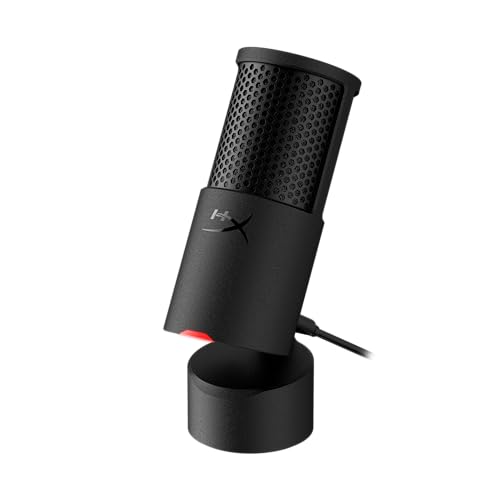
- Cardioid pickup for focused voice capture
- Built-in pop filter and internal suspension
- Tap-to-mute and 24-bit/96kHz recording
Best For: Gaming, streaming, and compact PC setups
Complete Budget Setup

- Plug-and-play USB recording for PC and laptop
- Boom arm, shock mount, and double pop filter included
- Cardioid capsule and onboard gain knob
Best For: Home podcasting, voice-over, and beginner recording setups
Premium Voice Control
Sennheiser Profile USB Microphone

- Plug-and-play USB-C setup with included table stand
- Warm, natural cardioid vocal sound
- On-mic gain, mix, volume, and mute controls
Best For: Podcasters and streamers seeking polished sound with simple hands-on control
Budget Desktop Pick

- Plug-and-play desktop setup with tripod stand
- Cardioid pickup for clear, focused voice capture
- On-mic volume knob and USB-A/C cable support
Best For: Beginners, gamers, and remote workers wanting an affordable desk microphone
Flexible Pattern Choice

- 24-bit/96kHz high-resolution recording
- Cardioid and omnidirectional capture modes
- Headphone monitoring plus gain, volume, and mute controls
Best For: Podcasters and creators needing flexible pickup patterns and monitoring
Best Compact Pick

- Plug-and-play USB-C setup
- Built-in pop filter and headphone monitoring
- Magnetic stand supports arm mounting
Best For: Compact desk recording, streaming, and calls
Best Feature-Rich Pick

- Built-in noise-reduction mode
- Gain, volume, echo, and mute controls
- USB-C and Lightning adapters included
Best For: Podcasts, streaming, teaching, and mobile recording
Best Budget-Friendly Setup
Amazon Basics USB Condenser Microphone

- Plug-and-play USB connection
- Cardioid pickup and one-tap mute
- Adjustable 360-degree stand included
Best For: PC and Mac streaming, calls, and basic recording
Versatile Streaming Pick – Logitech Blue Yeti Blackout
The Logitech Blue Yeti Blackout is a flexible choice among USB condenser microphones for streaming, podcasting, music recording, video calls, and other computer-based audio. Its four pickup patterns and onboard controls make it especially adaptable for different recording setups.
Best For: Streamers, podcasters, and creators who want multiple pickup patterns and hands-on controls.
Pros:
- Four pickup patterns—cardioid, omni, bidirectional, and stereo—support varied recording styles.
- Onboard gain, headphone volume, mute, and pattern controls simplify live adjustments.
- Blue VO!CE software adds vocal effects, modulation, and HD audio samples.
- Includes an adjustable desktop stand and supports a mic stand or boom arm.
Cons:
- Its 3.5-pound weight may be less convenient for portable setups.
- The feature-rich design may be more than needed for simple single-speaker recording.
Choose the Blue Yeti if versatility matters more than keeping the setup minimal. It offers plug-and-play operation with enough control for evolving streaming and recording needs.
Studio-Focused Choice – RØDE NT-USB+
The RØDE NT-USB+ is a studio-oriented option among USB condenser microphones, pairing a condenser capsule with a low-noise Revolution Preamp and 24-bit/48kHz USB-C audio. It is designed for recording, streaming, podcasting, and calls on computers or mobile devices.
Best For: Creators seeking clean desktop recording with direct monitoring and a polished accessory package.
Pros:
- Studio-grade condenser capsule and high-gain, ultra-low-noise preamp target clear recordings.
- Zero-latency headphone monitoring includes controls for hearing yourself while recording.
- RØDE Central provides APHEX processing, including Aural Exciter and Big Bottom effects.
- Includes a detachable pop filter, desktop stand, and USB-C cable.
Cons:
- Its unidirectional pattern is less flexible than a multipattern microphone.
- Advanced APHEX processing requires RØDE Central software.
The NT-USB+ is a strong fit when recording quality, monitoring, and a straightforward desktop studio package are priorities. USB-C compatibility also makes it practical for supported computers, tablets, and smartphones.
Compact Gaming Option – HyperX SoloCast 2
The HyperX SoloCast 2 is a compact USB condenser microphone for gaming, streaming, and focused voice recording. It combines a cardioid pattern with a built-in pop filter, internal shock-mount-style suspension, and plug-and-play USB-C to USB-A connectivity.
Best For: Gamers and streamers who want a space-saving microphone with simple controls and software customization.
Pros:
- Cardioid pickup focuses on sound from the front while reducing side and rear pickup.
- Built-in suspension system helps reduce unwanted vibration, while the foam pop filter handles plosive sounds.
- Tap-to-mute control uses an LED indicator to show mute status.
- Supports 24-bit/96kHz recording and customizable filters through HyperX NGENUITY.
Cons:
- The single unidirectional pattern is less adaptable for group or room recording.
- The included USB-C to USB-A connection is geared toward compatible PC setups.
SoloCast 2 makes sense for a clean gaming or streaming desk where compact design and quick setup are important. Its saved software settings add useful control without requiring extra hardware.
Complete Budget Setup – FIFINE T669
The FIFINE T669 is a practical entry in USB condenser microphones for podcasting, voice-over work, streaming, and home recording. It comes as a complete kit with a boom arm, shock mount, double pop filter, gain knob, and USB cable, reducing the need to buy accessories separately.
Best For: Home creators who want an affordable, ready-to-mount recording setup.
Pros:
- Plug-and-play USB connection works with PCs and laptops without additional drivers.
- Cardioid pickup is designed to capture the front while reducing ambient sound.
- Included boom arm offers adjustable positioning with up to a 30-inch reach.
- Double pop filter, shock mount, and gain knob support a more controlled recording workflow.
Cons:
- It is incompatible with Xbox according to the supplied notes.
- The kit is more setup-oriented than a simple standalone desktop microphone.
The T669 is appealing when value and included accessories matter. Its boom arm package is particularly useful for podcasting, voice-over, and desk-based recording without assembling a separate accessory bundle.
Premium Voice Control – Sennheiser Profile USB Microphone
For creators who want streamlined USB condenser microphones with a polished desktop setup, the Sennheiser Profile combines a cardioid capsule, table stand, and direct controls. Its USB-C connection makes it practical for PC and Mac podcasting, streaming, voice work, and meetings.
Best For: Podcasters, streamers, and voice-focused creators who value natural sound and hands-on controls.
Pros:
- Plug-and-play USB connection simplifies setup.
- Natural, warm sound emphasizes vocal body and presence.
- Built-in gain, mix, volume, and mute controls are easy to reach.
- Includes a compact table stand and durable metal housing.
Cons:
- Its cardioid pattern is less flexible for multi-person recording.
- Designed for computer use rather than broad device compatibility.
The Profile is a strong choice when convenience and tactile control matter as much as clear vocal capture. It is especially well suited to a clean, uncomplicated desktop recording station.
Budget Desktop Pick – FIFINE K669B USB Microphone
The FIFINE K669B is a practical entry point among USB condenser microphones, offering plug-and-play computer connectivity, a metal body, tripod stand, and onboard volume adjustment. Its cardioid design focuses on the main speaker for calls, gaming, streaming, and basic recording.
Best For: Budget-conscious gamers, remote workers, streamers, and beginners recording at a desk.
Pros:
- Simple USB setup with a 5.9-foot cable.
- Sturdy metal construction and included tripod stand.
- Cardioid pickup helps focus on the main voice.
- Works with computers and PS4/PS5, with USB-A/C cable support.
Cons:
- Not compatible with Xbox or phones.
- Offers volume control but not the broader mix and monitoring controls found on some models.
- Application settings may need adjustment to prevent automatic volume changes.
The K669B keeps the feature set focused and affordable. It makes sense for everyday desktop communication and beginner content creation, provided your device and software setup match its compatibility requirements.
Flexible Pattern Choice – AKG Ara USB-C Microphone
The AKG Ara stands out among USB condenser microphones with 24-bit/96kHz audio and two capture modes. Its USB-C plug-and-play setup, headphone output, and mounting flexibility make it suitable for podcasts, video, gaming, streaming, and music work.
Best For: Creators who need selectable pickup patterns, high-resolution recording, and monitoring from a desktop microphone.
Pros:
- Records up to 24-bit/96kHz for high-resolution audio.
- Offers cardioid and omnidirectional capture modes.
- Includes headphone output with volume, gain, and mute control.
- Supports the integrated stand, boom arm, or common microphone stand.
Cons:
- Supplied cable is USB-C to USB-A, which may require an adapter for some devices.
- Its additional pattern and monitoring features may be more than casual users need.
- The supplied notes specify support for Mac, PC, and mobile devices, but compatibility can depend on the device setup.
The Ara is the most versatile option in this group for creators who record in more than one configuration. Its dual patterns and zero-latency headphone monitoring provide useful flexibility as your setup grows.
Best Compact Pick – RØDE NT-USB Mini
The RØDE NT-USB Mini is a streamlined choice among usb condenser microphones for voice calls, streaming, and desk-based recording. It connects directly to a Mac, PC, or iPad without drivers or an audio interface, while its built-in pop filter helps keep speech clear.
Best For: Streamers, podcasters, and remote workers who want compact studio-style sound with simple USB-C setup.
Pros:
- Plug-and-play USB-C connectivity for Mac, PC, and iPad
- Built-in pop filter and voice-focused condenser capsule
- Zero-latency headphone monitoring with hardware volume control
- Detachable magnetic stand supports standard-thread arm mounting
Cons:
- Unidirectional pickup is primarily suited to a single speaker
- Includes a desk stand, but no microphone arm
The NT-USB Mini stands out for its compact footprint, integrated monitoring, and tidy setup. It is a practical fit when you want reliable voice recording without adding an interface or extra software.
Best Feature-Rich Pick – ZealSound K66 USB Microphone
The ZealSound K66 is one of the more control-focused usb condenser microphones in this group, combining plug-and-play connectivity with onboard volume, gain, echo, and mute controls. Its cardioid pattern and selectable noise-reduction mode are designed to help keep spoken audio focused in everyday recording spaces.
Best For: Podcasters, streamers, online teachers, and mobile creators who need flexible controls and broad device compatibility.
Pros:
- Cardioid condenser capsule with a 40Hz–18kHz frequency response
- Noise-reduction mode helps reduce keyboard, fan, and room noise
- Zero-latency headphone monitoring with separate volume control
- Includes USB-C and Lightning adapters for computers, tablets, and phones
Cons:
- Its many controls may be more than casual users need
- Noise reduction is a selectable mode rather than a replacement for room treatment
The K66 is a versatile option for creators who record across desktop and mobile devices. Its onboard adjustments reduce the need to reach for software, while monitoring makes it easier to catch audio issues during recording.
Best Budget-Friendly Setup – Amazon Basics USB Condenser Microphone
The Amazon Basics condenser microphone offers a straightforward entry point among usb condenser microphones for streaming, podcasting, calls, and basic music recording. Its cardioid pickup pattern is intended to reduce background sound, while the included adjustable stand and one-tap mute button keep desk use simple.
Best For: Budget-conscious PC and Mac users who want a ready-to-use microphone with an adjustable stand.
Pros:
- Plug-and-play USB connection with no additional drivers required
- Cardioid pickup helps isolate the speaker from background noise
- 360-degree adjustable stand supports flexible positioning
- One-tap mute function and built-in shock absorber included
Cons:
- Supplied compatibility details focus on Windows and Mac computers
- Does not list built-in headphone monitoring
This model is a sensible pick for uncomplicated desk recording. The adjustable stand, mute control, and standard-thread mounting options provide useful flexibility without requiring extra setup.
How We Picked These USB Condenser Microphones
We focused on microphones that connect directly to a computer and are suitable for common recording, streaming, podcasting, gaming, and communication tasks. We compared their pickup patterns, connection types, onboard controls, headphone monitoring, included stands or mounts, pop-filter features, and ease of setup.
Sound quality matters, but it is not the only consideration. A microphone with convenient mute and gain controls may be more useful for livestreaming or meetings, while a model with multiple pickup patterns can offer greater flexibility for interviews and group recording. We also considered brand reputation, stated specifications, compatibility, and value at different price levels.
Quick Comparison
| Best For | What to Look For |
|---|---|
| Streaming and gaming | Cardioid pickup, mute control, headphone monitoring, and simple plug-and-play setup |
| Podcasting and voiceovers | Clean detail, low handling noise, a stable stand, and adjustable gain |
| Interviews or group recording | Multiple pickup patterns or a microphone designed for broader sound capture |
| Home music recording | Wide frequency response, low self-noise, and precise monitoring |
| Meetings and casual use | Compact design, reliable USB connectivity, and quick mute access |
Key Buying Factors for USB Condenser Microphones
Pickup Pattern
Cardioid microphones focus on sound from the front and reduce audio from behind, making them the usual choice for solo speaking. Multi-pattern microphones can also capture sound from the sides or all around, which is useful for conversations and group sessions but may pick up more room noise.
Controls and Monitoring
Physical gain, volume, and mute controls make adjustments faster while recording or streaming. A headphone output with zero-latency monitoring lets you hear your voice directly and helps prevent distracting delay.
Connection and Compatibility
USB-C is increasingly common, while some microphones include a USB-C-to-USB-A cable for wider compatibility. Check the cable, operating-system support, available ports, and whether your preferred phone or tablet requires an adapter.
Room Conditions and Accessories
Condenser microphones capture detail, including keyboard noise, fans, and room reflections. A pop filter, shock mount, boom arm, or acoustic treatment can improve results. Keep the microphone close to your mouth and position it away from noisy equipment whenever possible.
Size and Placement
Tabletop stands are convenient, but they use desk space and can transmit bumps. A boom arm or shock mount offers more positioning flexibility if the microphone will be used frequently.
Who Should Buy Which USB Condenser Microphones?
Choose a feature-rich model if you stream, record interviews, or need flexible pickup patterns and onboard controls. Choose a compact, straightforward microphone if you mainly attend meetings, play games, or record occasional voice content. Choose a studio-oriented option if detailed vocals, instruments, or polished podcast audio are your priority.
Before buying, match the microphone to your room, computer ports, recording software, and speaking distance. For most solo creators, a cardioid USB condenser microphone with headphone monitoring and a stable stand offers the best balance of quality and convenience.