The best TV tuners for home use make it easier to watch free over-the-air broadcasts, record live programs, or distribute local channels across multiple screens. The right choice depends on your TV standard, device compatibility, recording needs, and whether you want a simple converter box or a network-connected setup.
This roundup compares ten options ranging from ATSC 3.0 network tuners and subscription-free DVRs to USB computer tuners and budget-friendly digital converter boxes.
Best 10 TV Tuners for Home Use Picks for 2026
NextGen Network Pick

- Four total tuners, including two ATSC 3.0 tuners
- Whole-home viewing over Ethernet
- USB DVR support without a required subscription
Best For: Multi-device households wanting NextGen TV support
Subscription-Free DVR Pick

- Two-tuner OTA DVR with included 35-mile antenna
- Pause, record, and replay live TV
- No subscriptions or hidden ongoing fees
Best For: Cord-cutters wanting an all-in-one OTA DVR
Whole-Home Capacity Pick
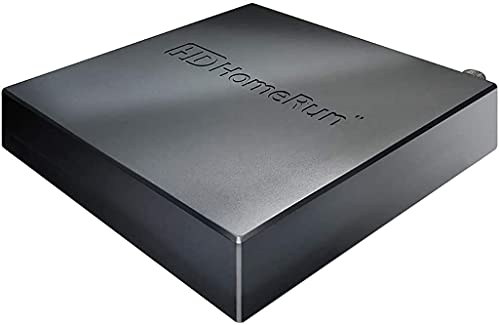
- Four ATSC 1.0 tuners
- Multi-room viewing across compatible devices
- Optional USB hard drive DVR support
Best For: Families needing several simultaneous TV streams
Windows USB Pick
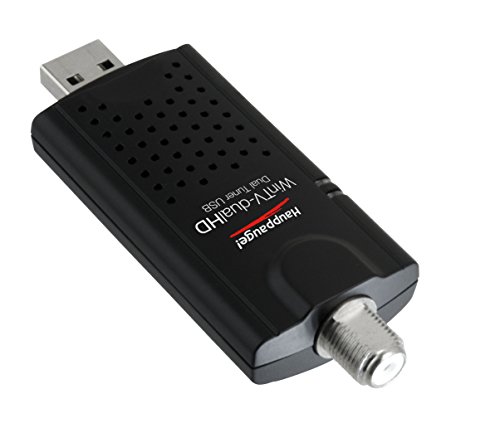
- Compact USB tuner for Windows computers
- Supports ATSC and unencrypted QAM
- Watch one channel while recording another
Best For: Windows users wanting a portable dual-tuner setup
Best Whole-Home Network Tuner
- Two ATSC 1.0 tuners for simultaneous viewing
- Streams across compatible devices and platforms
- Supports USB-based whole-home DVR use
Best For: Multi-room households with an Ethernet network
Best Simple OTA Converter
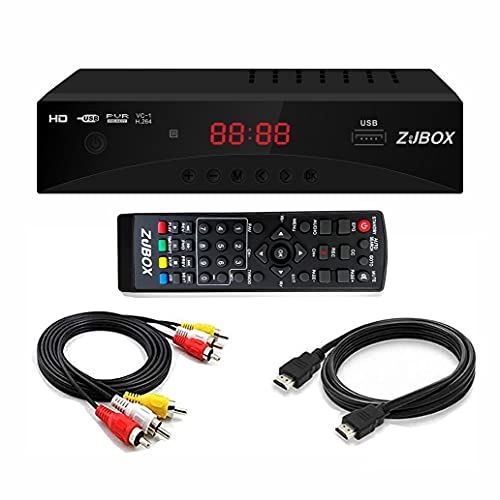
- 1080p OTA viewing through HDMI or composite
- Records to compatible external USB storage
- Includes remote, HDMI cable, and AV cable
Best For: Single-TV antenna setups and basic recording
Best NextGen TV Tuner
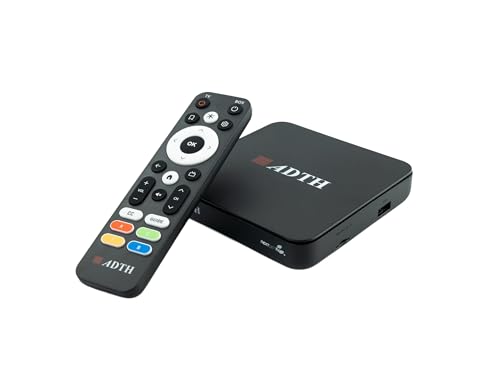
- Receives ATSC 3.0 and ATSC 1.0 broadcasts
- Built-in 64GB storage supports DVR recording
- Supports up to 4K HDR output and modern audio
Best For: Future-ready OTA viewing and built-in DVR use
Best Compact Pick

- Compact body hides behind a TV
- 1080p HDMI, RCA, and component output
- DVR recording and USB media playback
Best For: Small antenna-TV setups with limited space
Best Feature-Rich Box

- Records and pauses live TV with a hard drive
- Supports 1080p HDMI and Dolby Digital audio
- Adds Clear QAM and a front display
Best For: Recording-focused homes and older TV setups
Best Large-Drive Support

- Converts broadcasts for analog TVs
- Supports Clear QAM cable channels
- Accepts portable hard drives up to 4TB
Best For: Analog-TV owners needing expanded USB storage
NextGen Network Pick – HDHomeRun Flex 4K
For shoppers comparing tv tuners for home use, the HDHomeRun Flex 4K is a flexible network tuner built for whole-home viewing. It supports four tuners total, including two ATSC 3.0 tuners, and works with a broad range of streaming devices and computers.
Best For: Households that want multi-room live TV with NextGen TV support and optional DVR recording.
Pros:
- Four tuners support multiple simultaneous viewing or recording activities.
- Includes two ATSC 3.0 tuners while all four support ATSC 1.0.
- Supports whole-home DVR recording through a connected USB hard drive without a required subscription.
- Works with Android, Fire TV, Apple TV, Roku, select game consoles, iOS, Windows, and Mac devices.
Cons:
- Requires an Ethernet connection to your home network.
- ATSC 3.0 DRM-protected channels are not compatible.
- A USB hard drive is needed for DVR storage, and advanced auto-record features may require a paid TV guide.
The Flex 4K stands out when tuner capacity and device flexibility matter. Its network-based design is less suitable for someone seeking a simple USB tuner for one computer.
Subscription-Free DVR Pick – Tablo TV 4th Gen
The Tablo TV 4th Gen combines a two-tuner OTA DVR with a 35-mile indoor antenna, making it a convenient option among tv tuners for home use. It can watch, pause, record, and replay local TV while also providing access to selected free streaming channels.
Best For: Homes seeking an easy, subscription-free OTA DVR setup with whole-home streaming.
Pros:
- Includes a 35-mile range TV antenna and the cables needed for setup.
- Two ATSC 1.0 tuners let you record one channel while watching another.
- Offers 128GB of storage, listed as sufficient for more than 50 hours of recordings.
- Supports viewing on compatible Roku, Fire TV, Apple TV, Android TV, Chromecast, Samsung, and LG devices.
Cons:
- Compatible-device limitations exclude non-smart TVs, PCs, and some Apple TV functions.
- Antenna performance depends on local topography, obstructions, and other conditions.
- Requires a Wi-Fi-enabled router and consistent high-speed internet connection.
With its included antenna and built-in storage, Tablo is a straightforward choice for cord-cutters who want DVR features without ongoing fees. Check device compatibility before buying, especially if you plan to use a computer or older television.
Whole-Home Capacity Pick – HDHomeRun Flex Quatro
The HDHomeRun Flex Quatro is designed for households that want to distribute broadcast TV across multiple devices. As tv tuners for home use go, its four ATSC tuners provide useful capacity for simultaneous viewing and recording over a home Ethernet network.
Best For: Families that need four-tuner capacity for multi-room live TV and DVR use.
Pros:
- Four ATSC tuners support multiple simultaneous streams or recordings.
- Enables multi-room, multi-user viewing on compatible devices.
- Supports whole-home DVR recording when paired with a USB hard drive.
- Compatible with Android, Fire TV, Apple TV, Roku, Sony, Xbox, iPhone, iPad, Windows, and Mac devices.
Cons:
- Uses ATSC 1.0 tuners and does not provide ATSC 3.0 support.
- Requires Ethernet connectivity to the home network.
- Advanced auto-record features may require a paid TV guide.
The Flex Quatro is a strong fit when four simultaneous tuner paths are more important than NextGen TV support. It also leaves storage choices open by using an optional connected USB hard drive for DVR recording.
Windows USB Pick – Hauppauge WinTV-DualHD
The Hauppauge WinTV-DualHD is a compact USB option for Windows users comparing tv tuners for home use. It receives ATSC over-the-air broadcasts and unencrypted QAM cable, while its dual tuners support watching one channel while recording another or recording two channels at once.
Best For: Windows desktop and laptop users who want a portable dual-tuner solution.
Pros:
- USB 2.0/3.0 connection makes installation straightforward on compatible Windows computers.
- Dual tuners support simultaneous viewing and recording tasks.
- Receives ATSC over-the-air TV and unencrypted QAM cable channels.
- Includes WinTV software, remote control, USB extension cable, and portable antenna.
Cons:
- Designed primarily for Windows 10, 8, 7, and Vista rather than a broad smart-TV ecosystem.
- Requires a compatible computer with an available USB port.
- QAM support applies only to unencrypted cable channels.
This tuner is best for a computer-centered setup rather than whole-home streaming. Its small form factor and included accessories make it practical for Windows users who want dual-channel flexibility.
Best Whole-Home Network Tuner – HDHomeRun Flex Duo
The HDHomeRun Flex Duo is a strong choice among tv tuners for home use when you want to share over-the-air television across multiple devices. Its two ATSC 1.0 tuners support simultaneous viewing, while Ethernet connectivity enables network-based access throughout the home.
Best For: Households that want multi-room live TV and optional whole-home DVR functionality.
Pros:
- Supports viewing on multiple compatible devices at the same time.
- Works with a broad range of platforms, including Apple TV, Roku, Fire TV, mobile devices, Windows, and Mac.
- Can provide whole-home DVR functionality when paired with a USB hard drive, without requiring a subscription.
- Includes two ATSC 1.0 tuners and a two-year warranty.
Cons:
- Requires an Ethernet network connection rather than a direct HDMI connection to a television.
- Advanced automatic recording features may require a paid TV guide.
- Does not support ATSC 3.0 broadcasts.
This is the most flexible option here for households with several screens and a home network. Choose it if shared access matters more than a simple plug-in setup or next-generation broadcast support.
Best Simple OTA Converter – ZJBOX Digital TV Converter
The ZJBOX Digital TV Converter is a straightforward option among tv tuners for home use, especially for connecting an antenna to an older television through HDMI or composite output. It supports free-to-air digital channels, 1080p output, and recording to compatible USB storage.
Best For: Viewers who need an uncomplicated antenna receiver with basic recording and playback.
Pros:
- Provides up to 1080p output, depending on the broadcast signal.
- Includes HDMI and composite cables, along with a remote control.
- Can record and play back television programs using external USB storage.
- Offers auto tuning, closed captioning, and timer start-up and shutdown.
Cons:
- Requires an external antenna and does not amplify or improve signal reception.
- Has no built-in storage; compatible recording media is required.
- Recording storage support is limited by the stated FAT32 capacities.
This converter focuses on essential local-TV functionality rather than networking or advanced broadcast standards. It is a practical fit for a single TV when you already have an antenna and want inexpensive DVR-style recording.
Best NextGen TV Tuner – ADTH ATSC 3.0 TV Box
The ADTH NextGen TV Box is a forward-looking choice among tv tuners for home use, combining ATSC 3.0 and ATSC 1.0 reception in one HDMI-connected receiver. Its built-in 64GB storage, DVR functions, Wi-Fi, Bluetooth, and support for up to 4K HDR make it suited to newer OTA setups.
Best For: Cord-cutters who want NextGen TV compatibility, built-in DVR storage, and 4K-capable output.
Pros:
- Supports both ATSC 3.0 and legacy ATSC 1.0 broadcasts.
- Offers up to 4K HDR output when compatible broadcasts and equipment are available.
- Includes 64GB of built-in storage for DVR recording, pause, rewind, and replay.
- Supports modern Dolby Digital Plus and AC-4 audio formats when compatible equipment is used.
Cons:
- Requires a TV antenna and compatible HDMI display.
- 4K HDR and advanced audio availability depends on local broadcasts and connected equipment.
- Additional recording capacity requires separately sold external storage.
This is the strongest choice for future-ready over-the-air viewing and convenient recording without buying storage immediately. Its extra features make it more capable than a basic converter, though local ATSC 3.0 availability should factor into the decision.
Best Compact Pick – Mini OWERSLYN ATSC TV Tuner
For shoppers comparing tv tuners for home use, the OWERSLYN is a compact over-the-air converter that connects an antenna to a TV, monitor, or projector. It supports 1080p HDMI output, includes HDMI and RCA cables, and can tuck behind a television.
Best For: Small setups needing an unobtrusive antenna tuner with recording and USB playback.
Pros:
- Compact design can hide behind the TV and can draw power from a TV USB port or 5V charger.
- Supports 1080p output through HDMI, plus RCA and component video options.
- Offers scheduled and real-time DVR recording, USB media playback, and a learning remote.
Cons:
- Requires a separate antenna and does not replace a cable box.
- Does not support TVs with only an RF input.
- Recording is not compatible with streaming programs.
This model is a practical choice when space and cable convenience matter. Check your TV’s inputs before buying, and remember that antenna reception depends on the separate antenna and local broadcast signal.
Best Feature-Rich Box – Mediasonic HomeWorx HW250STB
The Mediasonic HomeWorx is a flexible option among tv tuners for home use, combining over-the-air ATSC reception with recording, live-TV pausing, USB media playback, and Clear QAM support for unscrambled cable channels. Its front display and channel 3/4 switch also suit older televisions.
Best For: Households that want recording support, a visible channel display, and compatibility with select legacy TVs.
Pros:
- Records and pauses live TV when paired with a USB hard drive up to 2TB.
- Supports 1080p HDMI video output and Dolby Digital audio.
- Clear QAM can receive unscrambled cable channels, and the front display shows channel information.
- Includes a channel 3/4 hardware switch for older TVs.
Cons:
- Does not support ATSC 3.0.
- Requires a compatible external hard drive for recording; a USB flash drive is not recommended.
- Does not work with listed cable and satellite services such as Comcast, DirecTV, or DISH Network.
Choose this box if recording and legacy-TV support are higher priorities than next-generation broadcast compatibility. Verify that your desired cable signal is unscrambled and that you have a suitable USB hard drive.
Best Large-Drive Support – iView 3300STB Converter Box
The iView 3300STB is a straightforward choice for tv tuners for home use, converting digital over-the-air channels for analog TVs and computer monitors. It also includes a QAM tuner, recording capability, a built-in clock, and USB media playback.
Best For: Users who need analog-TV conversion with Clear QAM and support for a larger USB storage device.
Pros:
- Converts digital broadcast channels for analog TVs and computer monitors.
- Supports Clear QAM for unscrambled cable channels.
- Can save TV programs for later viewing and play videos, music, and photos from USB storage.
- Supports portable hard drives up to 4TB.
Cons:
- Its regional compatibility is limited to the USA, Canada, and Mexico.
- Recording and media playback require USB storage.
- Uses a plastic enclosure and has fewer listed output details than some competing boxes.
The 3300STB makes sense for a mixed setup involving an older TV, monitor, and USB media library. Its 4TB portable-drive support is useful for storage-heavy users, while Clear QAM adds flexibility for eligible unscrambled cable channels.
How We Picked the Best TV Tuners for Home Use
We grouped these products by the way they fit into a home entertainment setup: network tuners for streaming local channels to compatible devices, DVR-focused products for recording and playback, USB tuners for Windows PCs, and standalone converter boxes for older or basic HDTVs. We also considered tuner count, broadcast-standard support, connectivity, recording features, storage, ease of setup, and compatibility with existing equipment.
Because reception depends heavily on antenna placement and local broadcast conditions, a capable tuner cannot guarantee every channel. Before buying, check which standards your area uses and whether your antenna provides a strong enough signal.
Quick Comparison
| Type | Best For | What to Expect |
|---|---|---|
| ATSC 3.0 network tuner | Modern streaming households | NextGen TV support, network access, and multi-device viewing |
| Over-the-air DVR | Recording live TV | Scheduled recording, playback, and often antenna bundling |
| USB computer tuner | Windows PCs | Compact installation with software-based viewing and recording |
| Standalone converter box | Older TVs and simple setups | Direct HDMI or AV output, channel conversion, and basic recording |
Key Buying Factors for TV Tuners for Home Use
Broadcast Standard and Channel Support
ATSC 1.0 remains common for standard over-the-air broadcasts, while ATSC 3.0, also called NextGen TV, can support newer features such as 4K broadcasts, improved audio, and interactive services. Confirm that the tuner supports the standard used by the stations you want to receive. Clear QAM support may also matter if you plan to receive unencrypted cable channels.
Tuner Count
A single tuner may be enough for one live channel at a time. Two or four tuners are more useful when recording multiple programs, watching one channel while recording another, or serving several devices on a home network.
Connection and Device Compatibility
Network tuners generally connect to a router and work with supported TVs, streaming devices, computers, or mobile apps. USB models are primarily intended for compatible Windows computers. Converter boxes connect directly to a display through HDMI, composite AV, or both, so check the ports before ordering.
Recording and Storage
Some products require external USB storage, while others include built-in storage or rely on a network DVR service. Review whether recording requires an app, computer, paid service, or additional drive, and check storage capacity if you plan to save many programs.
Who Should Buy Which TV Tuners for Home Use?
- Choose an ATSC 3.0 network tuner if you want newer broadcast support and channel access across multiple compatible devices.
- Choose an over-the-air DVR if simple scheduled recording and playback are more important than extensive customization.
- Choose a USB tuner if you mainly watch or record TV on a Windows laptop or desktop.
- Choose a standalone converter box if you need an inexpensive way to add digital broadcast reception and basic recording to an older TV.
For most buyers, the best match is the model that fits the display and antenna already in use. Verify compatibility, tuner count, storage requirements, and local broadcast support before checkout.