The best multitrack recorders make it easier to capture ideas, build complete arrangements, and record live sessions without relying entirely on a computer. This lineup covers compact songwriting tools, tabletop workstations, mixer-recorders, and versatile handheld options.
When choosing among them, focus on track count, input configuration, portability, monitoring, onboard effects, and how smoothly each recorder fits your existing workflow. The right model depends less on having the most features than on matching your recording habits.
Best 10 Multitrack Recorders Picks for 2026
Best Compact Multitrack Recorder

- Four-track recording with bounce and undo
- 32-bit float capture helps prevent clipping
- Battery or USB-C operation with built-in rhythms
Best For: Songwriters, mobile recording, and quick demos
Best Versatile Practice Recorder
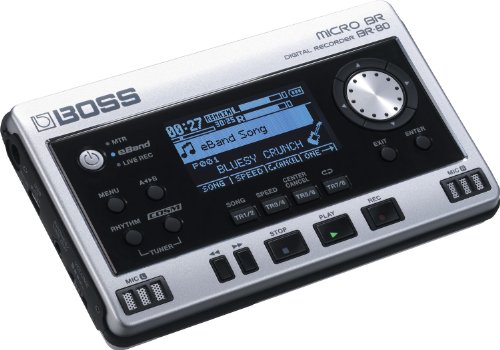
- MTR, eBand, and Live Recorder modes
- 64 V-Tracks with eight-track playback
- Built-in microphone, effects, and backing patterns
Best For: Guitarists combining recording and practice
Best Mixer-Style Multitrack Recorder

- 12-channel digital mixer and recorder
- 12-in/10-out USB audio interface
- MIDI, onboard EQ/compression, and dual headphones
Best For: Home studios and bands needing hands-on control
Best Touchscreen Multitrack Recorder
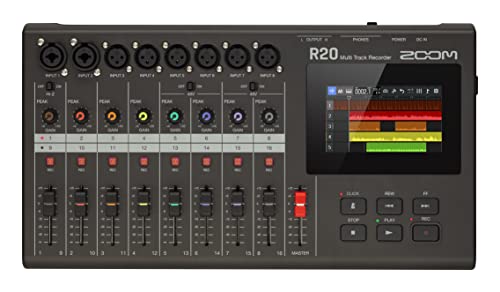
- Up to 16 tracks with eight simultaneous inputs
- DAW-style touchscreen editing without a computer
- Six XLR inputs, rhythms, synth, and onboard effects
Best For: Computer-free demos and complete song production
Portable Songwriting Pick

- Six-track recording with CD-quality WAV files
- Built-in stereo microphones
- Battery-powered pocketstudio design
Best For: Portable songwriting demos and simple multitrack recording
Feature-Rich Modern Choice

- Eight-track recorder with touchscreen editing
- Built-in drum loops, FM synths, and MIDI
- USB-C interface with phantom power and Hi-Z
Best For: Portable music production and computer-integrated recording
Effects-Focused Classic

- Eight-track playback with 64 V-Tracks
- Built-in guitar, vocal, and pitch effects
- Drum machine and stereo microphone included
Best For: Portable guitar, vocal, and rhythm-based recording
Best Mixer-Recorder for Collaborative Sessions

- Records up to 12 tracks at 24-bit/96kHz
- Four headphone outputs with three monitor mixes
- Records to SD card and computer simultaneously
Best For: Bands, podcasters, rehearsals, and live sessions
Best Portable 32-Bit Float Recorder

- Records six tracks plus a stereo mix in 32-bit float
- Microphones handle up to 140dB SPL
- Up to 15 hours on four AA batteries
Best For: Filmmakers, musicians, and field recording
Best Full-Size Mixer-Recorder

- Records 14 tracks at 24-bit/96kHz
- 12-channel mixer with +70dB gain preamps
- 60mm faders and optional wireless app control
Best For: Musicians and larger live setups needing hands-on control
Best Compact Multitrack Recorder – Zoom R4
The Zoom R4 is a practical choice for musicians who want portable multitrack recorders without adjusting gain before every take. It captures up to four tracks, supports layering and bouncing, and accepts microphones, instruments, and other sources through two XLR/TRS combo inputs.
Best For: Songwriters, mobile recording, and quick demos powered by batteries or USB-C.
Pros:
- 32-bit float recording helps avoid clipping without manual gain adjustments.
- Record, layer, bounce, and undo takes while expanding a project.
- Includes built-in microphones, effects, rhythms, and 2-in/2-out USB audio interface functionality.
- Runs on four AA batteries or USB-C.
Cons:
- Four-track recording is less suitable for larger arrangements.
- Its compact workflow may not replace a full-size studio mixer for complex sessions.
The R4 stands out when portability and forgiving recording are priorities. Its limited track count is balanced by bouncing, built-in rhythms, and flexible input options.
Best Versatile Practice Recorder – Roland BR-80
The Roland BR-80 combines multitrack recorders with practice and live-capture features. Its MTR, eBand, and Live Recorder modes support multitrack work, phrase training, play-along tracks, and quick stereo recording to an SD/SDHC card.
Best For: Guitarists and musicians who want recording, practice tools, backing patterns, and onboard effects in one portable unit.
Pros:
- Provides 64 V-Tracks and eight simultaneous playback tracks.
- Built-in stereo condenser microphone enables quick audio capture.
- Includes COSM amps, effects, backing patterns, and rhythm patterns.
- Can function as a USB audio interface with built-in effects.
Cons:
- Storage is limited to SD/SDHC cards up to 32 GB.
- Uses a single AAA battery.
- Its three-mode design may require more setup than a dedicated simple recorder.
The BR-80 is a strong fit for players who need more than basic tracking. Its practice-oriented eBand mode and extensive virtual-track capacity make it especially flexible for guitar-focused workflows.
Best Mixer-Style Multitrack Recorder – Tascam Model 12
The Tascam Model 12 is designed for users who want multitrack recorders integrated into a hands-on mixing setup. It combines a 12-channel digital mixer, 12-in/10-out USB audio interface, DAW control, MIDI, and onboard processing for connected studio work.
Best For: Home studios, bands, and creators who prefer physical mixer controls alongside computer-based recording.
Pros:
- Offers 12 channels for larger recording and mixing setups.
- Provides 12 inputs and 10 outputs over USB for DAW connectivity.
- Includes a one-knob compressor and three-band EQ on all input modules.
- Features MIDI, tap-tempo click output, and dual headphone outputs.
Cons:
- Its corded-electric design is less portable than battery-powered recorders.
- At 13.3 pounds, it is better suited to a fixed workspace.
- The mixer-style layout may be more equipment than solo users need.
The Model 12 is the most studio-oriented option in this group. Choose it when channel count, physical controls, monitoring flexibility, and DAW integration matter more than portability.
Best Touchscreen Multitrack Recorder – Zoom R20
The Zoom R20 is a capable option among multitrack recorders for users who want a computer-free, DAW-style workflow. Its touchscreen supports recording, editing, and mixing directly on the unit, with up to 16 tracks and eight simultaneous recording tracks.
Best For: Musicians producing complete demos or songs without relying on a computer during the recording session.
Pros:
- Records up to 16 tracks, with eight tracks captured simultaneously.
- Touchscreen controls allow drag, drop, swipe, and pinch editing.
- Includes built-in EQ, compression, effects, 150 rhythm patterns, and an 18-sound synth.
- Provides six XLR inputs plus two XLR/TRS combo inputs and USB connectivity.
Cons:
- Its maximum sample rate is 44.1 kHz.
- At 4.3 pounds, it is less pocketable than compact handheld recorders.
- The touchscreen workflow may not suit users who prefer physical mixer controls.
The R20 offers the most direct standalone production experience here. Its combination of track capacity, touchscreen editing, inputs, rhythms, and onboard sounds makes it well suited to building full arrangements away from a computer.
Portable Songwriting Pick – Tascam DP-006
The Tascam DP-006 is a compact choice among multitrack recorders for capturing song ideas without a computer. It records up to six tracks at CD quality, includes built-in stereo microphones, and runs on four AA batteries.
Best For: Songwriters and musicians who want a simple, battery-powered recorder for portable demos.
Pros:
- Records up to six tracks with two-track simultaneous recording.
- Built-in omnidirectional condenser microphones simplify quick recordings.
- Records 16-bit/44.1kHz WAV files and includes a dedicated stereo master track.
- Compact 1.8-pound design with four AA batteries included.
Cons:
- Its two-microphone setup is less flexible than models with multiple external inputs.
- Offers fewer onboard production features than newer recorders with effects or drum loops.
The DP-006 is best when portability and straightforward track recording matter more than advanced editing. Its built-in microphones and modest six-track layout make it practical for sketches, rehearsals, and songwriting sessions.
Feature-Rich Modern Choice – Zoom R12
The Zoom R12 stands out among multitrack recorders for musicians who want touchscreen editing and built-in creative tools. It supports up to eight tracks, provides two XLR/TRS inputs, and can work as a USB-C audio interface and DAW control surface.
Best For: Musicians who want an all-in-one portable studio with editing, effects, drum loops, and synth sounds.
Pros:
- Records up to eight tracks with DAW-style touchscreen editing.
- Includes 150 drum loops and 18 FM synth instruments with MIDI support.
- Both inputs provide 48V phantom power; input 1 also offers Hi-Z guitar and bass connectivity.
- Runs for up to five hours on four AA batteries and connects by USB-C.
Cons:
- Its battery runtime is limited to up to five hours.
- The feature-rich touchscreen workflow may be more than needed for basic recording.
The R12 is a strong pick for creators who want recording, arranging, rhythm parts, and computer integration in one device. Its two combo inputs keep the hardware focused, but the onboard tools add considerable flexibility for solo production.
Effects-Focused Classic – BOSS BR-600
The BOSS BR-600 is a practical older-style option among multitrack recorders, combining eight-track playback with guitar and vocal effects. It also includes a stereo microphone, drum machine, CompactFlash storage, and battery operation for recording away from a desk.
Best For: Guitarists and vocalists who want built-in effects, rhythm programming, and portable recording.
Pros:
- Provides eight simultaneous playback tracks and 64 V-Tracks.
- Includes guitar effects, vocal effects, and a pitch corrector.
- Built-in drum machine features velocity-sensitive pads.
- Built-in stereo microphone and battery power support portable sessions.
Cons:
- Its included 128MB CompactFlash card provides only about 2 hours and 16 minutes of digital recording time.
- Requires four 9V batteries, which may be less convenient than AA-powered alternatives.
- Uses a legacy CompactFlash recording medium.
The BR-600 remains appealing if onboard effects and rhythm tools are central to your workflow. Its V-Track system expands project flexibility, though the older storage format and limited included capacity are worth considering before buying.
Best Mixer-Recorder for Collaborative Sessions – Zoom LiveTrak L-8
The Zoom LiveTrak L-8 is a practical choice among multitrack recorders for musicians, podcasters, and small live setups. It records up to 12 tracks simultaneously at 24-bit/96kHz to an SD card, while also recording to a computer over USB.
Best For: Bands, podcasts, rehearsals, and live sessions where multiple performers need separate headphone mixes.
Pros:
- Records up to 12 tracks simultaneously at 24-bit/96kHz.
- Six preamps provide up to +54dB of gain with a stated -121dBu noise floor.
- Four headphone outputs and three independent monitor mixes support collaborative recording.
- Can record to an SD card and computer at the same time.
Cons:
- The eight-channel design is less suited to larger ensembles than a 12-channel mixer.
- Its 1,500g weight may be more than some highly portable recorder users want.
Choose the L-8 when hands-on mixing, flexible monitoring, and simultaneous SD-card and USB recording matter more than an ultra-compact handheld format.
Best Portable 32-Bit Float Recorder – Zoom H6 Studio
The Zoom H6 Studio is a portable multitrack recorder for filmmakers, musicians, and field recording. It captures up to six individual tracks plus a stereo mix, with 32-bit float recording and selectable sample rates from 44.1 to 192kHz.
Best For: Filmmakers and musicians who need a battery-powered recorder for dialogue, field work, or changing sound levels.
Pros:
- Records six individual tracks plus a stereo mix in 32-bit float.
- Included 19.4mm microphones handle sound levels up to 140dB SPL.
- Look-ahead limiters help prevent distortion from overloads.
- Runs for up to 15 hours on four AA batteries.
Cons:
- It offers fewer tracks than the LiveTrak mixer-recorders in this roundup.
- Its supplied details identify USB 2.0 and tablet compatibility but do not describe a broader computer-device setup.
The H6 Studio stands out when portability, long battery life, and protection against unpredictable input levels are priorities.
Best Full-Size Mixer-Recorder – Zoom LiveTrak L12next
The Zoom LiveTrak L12next combines a 12-channel digital mixer with a multitrack recorder, making it a strong fit for live performances and detailed studio-style sessions. It records up to 14 tracks at 24-bit/96kHz and mixes to a 32-bit float master.
Best For: Musicians and larger live setups that need hands-on faders, high-gain preamps, and flexible personal monitoring.
Pros:
- Records up to 14 tracks at 24-bit/96kHz.
- Studio-grade preamps offer +70dB gain, -128dBu EIN, Hi-Z, PAD, and +48V phantom power.
- Physical 60mm faders provide direct control over channel levels and mixes.
- Supports wireless control with the L12next Control App when paired with the optional BTA-1 adapter.
Cons:
- It is corded electric rather than battery powered.
- Wireless app control requires the separately required BTA-1 adapter.
- The larger mixer layout may be excessive for simple handheld recording.
The L12next is the most capable choice here for channel-heavy performances, hands-on operation, and advanced routing features, provided portability is not the main concern.
How We Picked the Best Multitrack Recorders
We selected these Multitrack Recorders to represent the main ways musicians and creators record outside a traditional studio. The lineup includes compact battery-powered units for capturing ideas, dedicated tabletop recorders for song production, and mixer-based systems suited to rehearsals, live performances, podcasts, and collaborative sessions.
Our comparison emphasizes practical factors: simultaneous inputs, track capacity, recording quality, portability, controls, monitoring, built-in microphones, effects, looping or rhythm tools, file handling, and computer connectivity. We also considered whether each recorder has a clear use case rather than treating higher specifications as automatically better.
Quick Comparison
- Best for simple portable songwriting: Tascam DP-006 or Zoom R4.
- Best for more tracks and hands-on production: Zoom R12 or Zoom R20.
- Best for a complete mixer-based setup: Tascam Model 12 or Zoom LiveTrak L12next.
- Best for live recording and podcasting: Zoom LiveTrak L-8.
- Best for handheld field recording: Zoom H6.
- Best for an older, dedicated digital workstation: Boss BR-600 or Roland BR-80.
Key Buying Factors for Multitrack Recorders
Track Count and Simultaneous Inputs
Track capacity describes how many parts you can build or manage, while input count determines how many sources you can record at once. A solo songwriter may need only one or two inputs, but a band, drum setup, or panel discussion benefits from more channels and independent control.
Portability and Power
Battery operation and built-in microphones are valuable for rehearsals, demos, field recordings, and songwriting away from a desk. Larger mixer-recorders typically offer more connections and tactile control but require more space and may be better suited to a fixed setup.
Workflow and Connectivity
Consider whether you prefer dedicated physical controls or expect to finish projects in a DAW. USB audio interfaces, SD-card storage, DAW control, direct monitoring, and easy file transfer can make a major difference after recording. Also check whether the unit supports the microphones, instruments, and cables you already own.
Effects, Rhythm Tools, and Monitoring
Built-in effects, drum patterns, looping, and bouncing can help you develop arrangements without extra equipment. Multiple headphone outputs, low-latency monitoring, and clear level meters matter especially for group recording and live use.
Who Should Buy Which Multitrack Recorders?
Choose a compact recorder if you mainly capture song ideas, acoustic performances, or quick demos. Choose a tabletop multitrack workstation if you want hands-on mixing, more tracks, and a self-contained songwriting process. Choose a mixer-recorder if you record several performers, live events, podcasts, or rehearsals and need channel-level control.
For computer-based production, prioritize USB connectivity and a straightforward interface mode. For field work, prioritize battery life, built-in microphones, durable controls, and fast setup. Before buying, confirm the included power requirements, storage format, input types, and whether the recorder supports the number of simultaneous sources you plan to use.