Choosing the best memory cards for archiving means balancing capacity, durability, speed, and long-term data protection. The right card depends on whether you are storing photos, recording video, preserving dash-cam footage, or maintaining a secondary backup.
We selected 10 options across SD, SDHC, SDXC, and microSD formats to cover casual storage, 4K and 8K video, high-volume workflows, and continuous recording. Use the guide below to narrow the list by device compatibility, capacity, and archival priorities.
Best 10 Memory Cards for Archiving Picks for 2026
High-Speed Archive Choice
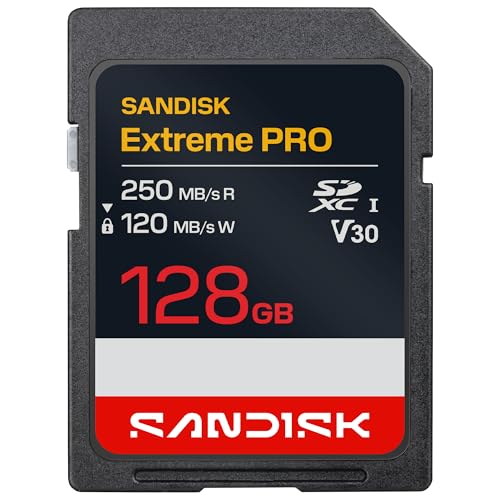
- Up to 250MB/s read speed
- U3 and V30 for 4K UHD
- Dust-, water-, and temperature-resistant design
Best For: Fast 4K camera-file archiving
Everyday Archive Value

- Up to 100MB/s read speed
- Works with cameras and mobile devices
- Water- and impact-resistant design
Best For: Smaller everyday photo archives
Long-Warranty Archive Pick

- 128GB capacity for photo and video storage
- V30 and U3 support 4K UHD
- Includes mini case and five-year warranty
Best For: Warranty-conscious camera archiving
Large-Capacity Archive Workhorse

- 256GB capacity for extensive archives
- V30 and U3 support 4K recording
- Drop-, shock-, and temperature-resistant design
Best For: Large professional photo and video archives
Best for Continuous Recording
SanDisk High Endurance 128GB microSDXC

- High-endurance design for continuous video
- Supports compatible Full HD and 4K recording
- Resistant to water, shock, temperature, and more
Best For: Dash cams and home monitoring systems
Best for Professional Camera Work
Lexar Professional 2000x 256GB SD

- Up to 300MB/s read speed via UHS-II
- V90-rated for 8K and Full HD video
- Backwards compatible with UHS-I devices
Best For: Professional cameras and high-resolution media archives
Best High-Capacity Value
Gigastone 512GB 4K Pro SD Card

- Largest capacity at 512GB
- Supports compatible 4K Ultra HD video
- Up to 170MB/s transfer speed and V30 rating
Best For: Large photo and video archives on SDXC devices
Reliable Everyday Archive

- 128GB capacity for photos and Full HD video
- Class 10 support for 1080p recording
- Durable, write-protected design
Best For: Everyday camera and camcorder archives
Fast 4K Archive Choice

- Up to 200MB/s reads with compatible gear
- Up to 90MB/s writes for 4K capture
- U3 and V30 performance ratings
Best For: 4K video and burst-photo archives
Balanced Camera Archive
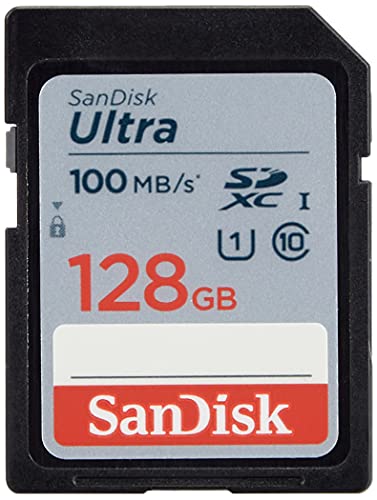
- 128GB for photos and Full HD video
- Up to 100MB/s read speed
- Class 10 and U1 rated
Best For: Point-and-shoot photo archives
High-Speed Archive Choice – SanDisk Extreme PRO 128GB
For memory cards for archiving, the SanDisk Extreme PRO 128GB is a strong fit when you need fast transfers and dependable 4K-capable storage. Its U3 and V30 ratings support 4K UHD and Full HD recording, while the durable build is designed for demanding use.
Best For: Photographers and videographers who regularly capture high-resolution images or 4K video and want fast file transfers.
Pros:
- Up to 250MB/s read speed for quick transfers.
- U3 and V30 ratings support 4K UHD recording.
- 128GB capacity provides practical space for archived media.
- Designed to resist dust, water, temperature extremes, wear, and X-rays.
Cons:
- Its 128GB capacity is smaller than some competing options.
- Performance and capacity claims can vary by use and device.
This card is a sensible archival-media choice when speed and ruggedness matter more than maximizing capacity. It is especially appealing for users moving large camera files frequently.
Everyday Archive Value – SanDisk Ultra 32GB
If you need memory cards for archiving everyday photos and documents without a large capacity requirement, the SanDisk Ultra 32GB offers a straightforward option. Its Class 10 rating and up to 100MB/s read speed suit routine file storage and transfers.
Best For: Casual camera users and general-purpose storage across compatible cameras, computers, smartphones, and tablets.
Pros:
- Up to 100MB/s read speed for convenient file access.
- Compatible with cameras, PCs, smartphones, cell phones, and tablets.
- Compact 32GB capacity works for smaller archives.
- Water-resistant and impact-resistant design.
Cons:
- 32GB offers less archival space than the larger cards in this roundup.
- It is positioned for everyday storage rather than demanding 4K-focused workflows.
The SanDisk Ultra is best viewed as a practical, lower-capacity archive card. Choose it for modest collections and broad device compatibility, but consider a larger card for extensive video libraries.
Long-Warranty Archive Pick – GIGASTONE 128GB 4K Pro
The GIGASTONE 128GB 4K Camera Pro combines useful capacity with a five-year limited warranty, making it worth considering for memory cards for archiving. Its V30 and U3 ratings support 4K UHD video, and the included mini case helps with storage and handling.
Best For: Camera owners seeking 128GB of 4K-ready storage with a five-year limited warranty and protective carrying case.
Pros:
- 128GB SDXC capacity supports larger photo and video collections.
- V30, U3, and Class 10 ratings support 4K UHD video.
- Water-, temperature-, shock-, magnetic-, and X-ray-proof features.
- Includes a mini case and five-year limited warranty.
Cons:
- Listed read speed is lower than the fastest cards here.
- Its stated transfer speed may not match the headline 150MB/s in all use cases.
This GIGASTONE card offers a balanced archival package: usable capacity, 4K support, physical protection, and a clearly stated five-year warranty. It is a practical choice for camera users who value reassurance and included accessories.
Large-Capacity Archive Workhorse – Lexar Silver 256GB
For memory cards for archiving larger camera libraries, the Lexar Silver 256GB provides twice the capacity of many 128GB options while retaining V30 and U3 ratings. Its fast transfer and write specifications make it suitable for photographers and videographers managing substantial files.
Best For: Professional photographers, videographers, and enthusiasts who need high-capacity 4K-ready storage.
Pros:
- 256GB capacity accommodates extensive photo and video archives.
- 225MB/s maximum read and 160MB/s maximum write claims support quick workflows.
- V30 rating supports up to 4K 60FPS video recording.
- Durability features include drop, temperature, X-ray, shock, magnetic, and vibration resistance.
Cons:
- It may be more capacity than casual users need.
- Actual listed read and media-speed details are lower than the headline maximums.
The Lexar Silver stands out when archive capacity is the priority. Its 256GB size reduces card swapping, while the V30 rating and rugged construction support demanding camera use.
Best for Continuous Recording – SanDisk High Endurance 128GB microSDXC
For memory cards for archiving dash-cam footage or home-monitoring video, this SanDisk microSDXC card prioritizes endurance over maximum transfer speed. Its 128GB capacity, V30 rating, and included adapter make it a practical fit for compatible recording systems.
Best For: Dash cams, home monitoring systems, and compatible microSDXC devices that record continuously.
Pros:
- Designed for high-endurance continuous video recording
- Supports Full HD and compatible 4K UHD recording
- Temperature-, water-, shock-, humidity-, magnet-, and X-ray-resistant design
- Includes an adapter and carries a lifetime manufacturer warranty
Cons:
- Not compatible with Nintendo Switch 2
- Actual usable capacity and recording hours are lower than stated maximums
- Read speed is lower than the professional UHS-II cards in this roundup
This is the most purpose-built option here for archiving surveillance footage. Choose it when sustained recording reliability matters more than the highest possible transfer speed.
Best for Professional Camera Work – Lexar Professional 2000x 256GB SD
For memory cards for archiving large photo libraries and high-resolution video, the Lexar 2000x offers 256GB of SDXC storage with UHS-II performance. Its V90 rating and up-to-300MB/s read speed suit demanding camera workflows and faster file transfers.
Best For: DSLR cameras, professional cameras, and cinema-quality video workflows requiring high sustained performance.
Pros:
- Up to 300MB/s read transfer speed with UHS-II technology
- V90-rated for Full HD and cinema-quality 8K video capture
- Backwards compatible with UHS-I devices
- Designed for durability and backed by a limited lifetime warranty
Cons:
- Requires a compatible UHS-II host to take full advantage of its speed
- More specialized than needed for basic storage or everyday devices
- Offers less capacity than the 512GB card in this roundup
This is the strongest speed-focused choice for photographers and videographers archiving demanding media. It makes the most sense when your camera and workflow support UHS-II.
Best High-Capacity Value – Gigastone 512GB 4K Pro SD Card
If your memory cards for archiving need substantial space for photos and 4K footage, this Gigastone SDXC card provides the largest listed capacity at 512GB. Its V30 rating, up-to-170MB/s transfer speed, and full-size SD format make it suitable for compatible cameras and PCs.
Best For: Digital cameras, DSLRs, HD camcorders, and PC users who prioritize high capacity for media storage.
Pros:
- 512GB capacity provides ample room for photos and video
- Supports compatible 4K Ultra HD recording
- Up to 170MB/s transfer speed with V30 performance
- Water-, temperature-, shock-, magnetic-, and X-ray-resistant design
Cons:
- Lower stated speed and video rating than the Lexar V90 card
- Compatibility is limited to devices supporting full-size SDXC media
- Warranty is five years rather than a lifetime warranty
For users building a large archive without stepping up to a professional UHS-II card, this is the capacity leader. Verify your camera or computer supports 512GB SDXC cards before buying.
Reliable Everyday Archive – SanDisk Ultra 128GB SDXC
SanDisk Ultra 128GB SDXC UHS-I Memory Card up to 80MB/s (SDSDUNC-128G-GN6IN), Black
Check Price On AmazonFor memory cards for archiving everyday photos and Full HD footage, the SanDisk Ultra 128GB offers a practical balance of capacity, compatibility, and durability. Its 128GB capacity suits SDHC/SDXC and UHS-I devices, while read speeds up to 80MB/s help with transfers.
Best For: Compact-to-midrange cameras and camcorders storing photos and Full HD video.
Pros:
- 128GB capacity for extensive photo and Full HD video storage
- Class 10 performance supports Full HD 1080p recording
- Waterproof, temperature-proof, X-ray-proof, magnet-proof, and shockproof design
- Built-in write-protect switch helps prevent accidental data loss
Cons:
- 80MB/s read speed is lower than the faster Extreme PRO option
- Designed for Full HD rather than specifically optimized for 4K capture
This is a sensible archival card for routine camera use, especially when broad durability protections and dependable Full HD support matter more than top-end transfer performance.
Fast 4K Archive Choice – SanDisk Extreme PRO 64GB
SANDISK 64GB Extreme PRO SDXC UHS-I Memory Card - C10, U3, V30, 4K UHD, SD Card - SDSDXXU-064G-GN4IN
Check Price On AmazonWhen memory cards for archiving also need to handle demanding capture, the SanDisk Extreme PRO 64GB is the performance-focused option here. It combines up to 200MB/s read speeds with up to 90MB/s write speeds, plus U3 and V30 ratings for compatible 4K workflows.
Best For: 4K UHD video, sequential burst photography, and quick file offloading with compatible equipment.
Pros:
- Up to 200MB/s read speed with compatible devices and reader
- Up to 90MB/s write speed for smooth 4K UHD capture
- U3 and V30 ratings support demanding video recording
- Waterproof, temperature-proof, shockproof, and X-ray-proof construction
Cons:
- 64GB capacity is smaller than the two 128GB alternatives
- Maximum QuickFlow speeds require compatible hardware and reader
Choose this card when capture and offload speed are priorities. Its smaller capacity may mean more frequent card changes, but its performance ratings make it the strongest fit for active 4K archiving.
Balanced Camera Archive – SanDisk Ultra 128GB 100MB/s
SanDisk 128GB Ultra SDXC UHS-I Memory Card - 100MB/s, C10, U1, Full HD, SD Card - SDSDUNR-128G-GN6IN
Check Price On AmazonThe SanDisk Ultra 128GB 100MB/s is a straightforward choice for memory cards for archiving photos and Full HD video. Its 128GB capacity provides room for large collections, while read speeds up to 100MB/s support quicker transfers from compatible cameras and devices.
Best For: Compact and mid-range point-and-shoot cameras capturing photos and Full HD video.
Pros:
- 128GB capacity stores many photos and Full HD videos
- Up to 100MB/s read speed for faster transfers
- Class 10 and U1 ratings support Full HD recording on compatible devices
- Waterproof, temperature-proof, and X-ray-proof protection
Cons:
- Write speed is lower than the listed read speed
- U1 rating is less suited to demanding 4K recording than a V30 card
This model is a well-rounded archival pick for still photography and Full HD libraries. It offers more transfer speed than the older 80MB/s Ultra model without moving into the higher-performance 4K-focused category.
How We Picked the Best Memory Cards for Archiving
We compared the listed cards by capacity, advertised read and write speeds, speed-class ratings, format, intended use, and recovery or endurance features. UHS-I cards generally provide broad compatibility and good value, while UHS-II and V90 models are designed for faster cameras and demanding burst photography or high-resolution video.
For archiving, we also considered whether a card is suited to repeated recording, such as a high-endurance microSD card, and whether its capacity makes sense for the type of files being preserved. Manufacturer speed claims are typically maximum or sequential figures, so real-world performance depends on the camera, card reader, host device, and file sizes.
Quick Comparison
- Best overall balance: SanDisk Extreme PRO 128GB or 64GB UHS-I cards offer strong speed-class ratings for many cameras.
- Best budget capacity: The SanDisk Ultra and GIGASTONE 128GB options provide practical storage for everyday photos and Full HD or compatible 4K recording.
- Best high capacity: The GIGASTONE 512GB and Lexar 256GB cards reduce card swaps, provided your device supports their capacities.
- Best for demanding video: The Lexar 256GB 2000x V90 UHS-II card is the performance-focused choice, but it requires compatible hardware.
- Best for continuous recording: SanDisk High Endurance microSD is designed for dash cams and home monitoring systems and includes an adapter.
Key Buying Factors for Memory Cards for Archiving
Capacity and File Types
Choose capacity based on your archive size and recording format. JPEG photos require less space than RAW files, while 4K and 8K video can fill cards quickly. A larger card is convenient, but several smaller cards can limit the impact of a single-card failure.
Speed Class and Device Compatibility
Look for U3 or V30 ratings when recording compatible 4K video. V60 and V90 cards are better suited to sustained high-bitrate recording and fast burst shooting. Confirm whether your camera accepts SDHC, SDXC, microSD, UHS-I, or UHS-II before buying; a faster card cannot upgrade a device’s built-in interface.
Durability and Endurance
Continuous-write applications need an endurance-focused card rather than a standard consumer model. For ordinary archiving, protect cards from heat, moisture, physical damage, and unnecessary rewrites. Always eject cards safely and use a quality reader.
Backup and Verification
Memory cards should not be your only archive. Copy files to at least one additional storage location, verify transfers, and periodically check older files. Data-recovery guarantees can be useful, but they are not a substitute for redundant backups.
Who Should Buy Which Memory Cards for Archiving?
Casual photographers and general users should favor a dependable 64GB or 128GB UHS-I card with broad compatibility. Photographers shooting RAW or frequent video may benefit from 128GB or 256GB capacity and a U3 or V30 rating. Professional video creators should consider the Lexar V90 UHS-II model only if their camera and reader support UHS-II. Dash-cam and security-camera owners should choose the SanDisk High Endurance microSD option. Large-archive users can choose a 512GB card for convenience, but should verify that their device supports the capacity and maintain multiple backups.