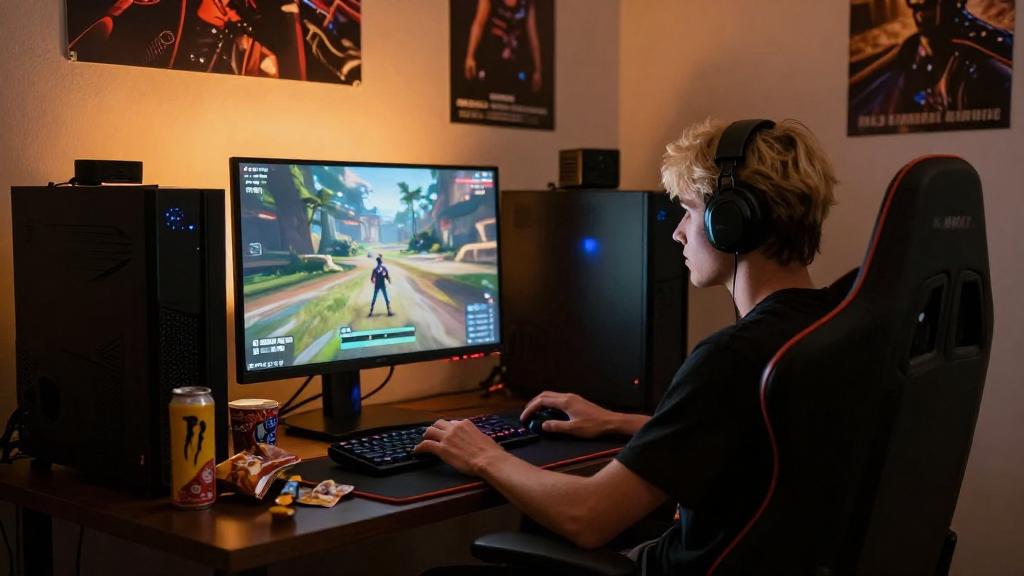
Gaming habits are an integral part of the modern gaming experience, influencing how players interact with games and the gaming community.
In this article, we will explore the most common gaming habits and how they shape the ways we play, socialize, and engage with our favorite titles.
What Are Gaming Habits?
Gaming habits refer to the patterns and behaviors that players exhibit while playing video games.
These habits can encompass everything from the amount of time spent gaming to the types of games preferred and the social interactions that occur during play.
Understanding gaming habits can provide insights into what motivates players and how they can enhance their gaming experiences.
How Many Hours Do Gamers Play?
One of the most significant gaming habits revolves around the amount of time spent in front of a screen.
According to various studies:
- Casual gamers may play 5-15 hours per week, focusing on light, enjoyable games.
- Dedicated gamers may clock in between 15-40 hours weekly, often engaging in competitive or immersive games.
- Hardcore gamers might exceed 40 hours per week, deeply invested in their gaming experiences, often playing during nights and weekends.
The variation in gaming time can heavily influence other habits, such as social interactions and gaming environments.
Which Genres Are Most Popular?
Another fascinating aspect of gaming habits involves genre preferences.
Different players gravitate towards various genres based on personal interests, skills, and social circles. The most popular gaming genres include:
- Action/Adventure: Titles like “The Legend of Zelda” and “Tomb Raider” attract players seeking intense gameplay and immersive stories.
- First-Person Shooters (FPS): Games like “Call of Duty” and “Counter-Strike” appeal to competitive players who thrive on reflexes and strategy.
- Role-Playing Games (RPG): Players enjoy “Final Fantasy” or “The Witcher” for deep storytelling and character development.
- Simulation Games: Titles like “The Sims” or “Animal Crossing” allow for creativity and community, perfect for casual gamers.
Understanding these genre trends can provide insights into the gaming habits of different demographic groups.
How Do Gamers Interact with Their Community?
Social connections are an essential part of gaming habits.
Players often form communities around games, fostering interactions that deepen their engagement.
Some common social habits include:
- Multiplayer Gaming: Many players enjoy teaming up with friends, forming clans, or even engaging in competitive esports.
- Streaming: Platforms like Twitch and YouTube allow players to share their gaming experiences, often interacting with viewers in real time.
- Online Forums: Websites like Reddit and Discord host discussions about gameplay tactics, strategies, and game lore, creating vibrant gaming communities.
These social habits can enhance gamers’ enjoyment and provide a sense of belonging in a digital world.
Are There Specific Times Gamers Prefer to Play?
When it comes to gaming habits, timing can significantly influence player experience.
Many gamers exhibit distinct preferences for when they log in to play. Some common trends include:
- Evenings and Weekends: Most players tend to game after work or school, often reserving weekends for longer gaming sessions.
- Late Night Sessions: Hardcore gamers may prefer gaming late into the night when there are fewer distractions and often less competition for bandwidth.
- Holiday and Break Seasons: Many gamers tend to have increased playtime during holidays, school breaks, and special events, allowing for extended gaming marathons.
These timing habits can affect game design and marketing strategies.
Do Gamers Follow Trends?
Another notable aspect of gaming habits is that players often follow trends based on popular titles, events, or gaming advancements.
This phenomenon can include:
- Playing the Latest Releases: Many gamers have a habit of purchasing or downloading the latest titles on release day to be part of the buzz.
- Joining Viral Challenges: Games like “Fortnite” and “Among Us” leverage popularity through community challenges, driving players to participate.
- Shifting Genres: As new genres emerge or old ones are revived (like battle royales or retro-style indie games), players adapt their interests to align with current trends.
Following trends helps gamers stay culturally relevant and fosters engagement with a broader community.
How Do Players Manage Their Gaming Time?
With many competing interests, how do gamers manage their time spent playing?
Balancing gaming with other life responsibilities is often a vital aspect of gaming habits.
Here are some strategies that gamers employ:
- Scheduled Playtimes: Some players designate specific days or hours for gaming, ensuring that it doesn’t encroach on daily responsibilities.
- Please Set Limits: Gamers may set timers or use apps designed to track their gaming hours, preventing excessive play.
- Mindful Gaming: Many players adopt a philosophy of mindfulness, focusing on quality over quantity and prioritizing meaningful gaming moments.
These management techniques can help players maintain a healthy balance between gaming and everyday life.
Do Gaming Habits Change Over Time?
Gaming habits can evolve significantly over the years, influenced by factors such as age, lifestyle changes, technological advancements, and the arrival of new gaming media.
Key trends to consider include:
- Shifts in Genre Preferences: What players enjoyed in their youth may change as they grow older, often shifting away from competitive gaming towards more narrative-driven or social games.
- Technology Use: With advancements in gaming tech, some gamers may become interested in virtual reality or mobile gaming, altering their gaming habits accordingly.
- Life Changes: Factors such as work, family, and social obligations can lead to reduced playtime or a switch to more casual gaming experiences.
Understanding these dynamics can offer valuable insights into player psychology.
Conclusion: Why Understanding Gaming Habits Matters
In conclusion, gaming habits encompass a range of behaviors that reflect how players interact with games and their gaming communities.
From the amount of time spent gaming to the genres played and social interactions formed, these habits shape the gaming landscape as we know it.
By examining common gaming habits, developers, marketers, and even players can enhance their understanding of this vibrant and ever-evolving community.
As the gaming world continues to expand, keeping an eye on trends and shifts in gaming habits will be essential for anyone involved in the industry or passionate about gaming.