The best camera drone can turn travel clips, outdoor adventures, and creative projects into smooth, detailed aerial footage. The right choice depends on more than resolution: weight, stabilization, flight time, controls, safety features, and portability all matter.
We compared 10 popular camera drones across beginner-friendly, lightweight, GPS-equipped, and advanced categories to help you find a model that fits your experience, budget, and shooting goals.
Best 10 Camera Drone Picks for 2026
Best Travel Bundle

- 4K video with 3-axis gimbal stabilization
- Two batteries for up to 62 minutes total flight time
- Under 249 g with GPS return-to-home
Best For: Travelers and beginners wanting a longer-flight starter bundle
Best Premium Camera

- 1-inch CMOS camera with 4K/60fps HDR video
- LiDAR and omnidirectional obstacle sensing
- Three batteries and screen-equipped RC 2 controller
Best For: Advanced creators prioritizing image quality and flight safety
Best Budget Starter
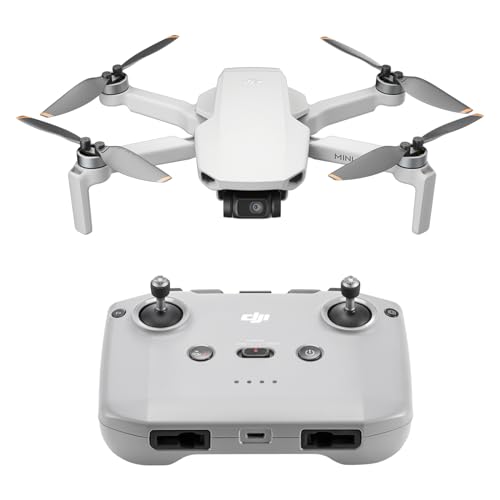
- 4K video with 3-axis gimbal stabilization
- Under 249 g with GPS return-to-home
- Beginner controls and QuickShot modes
Best For: First-time pilots seeking an affordable 4K drone
Best Screen-Remote Value

- 4.5-inch HD display built into the controller
- Three batteries for up to 90 minutes total flight time
- GPS, Follow Me, and Circle Fly modes
Best For: Beginners wanting a screen-equipped controller and long combined flight time
Best All-Around Camera Drone

- 4K HDR video with a 3-axis gimbal
- Three batteries and DJI RC included
- Foldable design with GPS safety features
Best For: Travelers and beginner-to-intermediate pilots seeking versatile aerial footage
Best Beginner Value Camera Drone

- 4.5-inch controller screen requires no phone
- 4K camera with adjustable lens
- Two batteries provide up to 60 minutes total flight
Best For: Beginners and families wanting simple, phone-free operation
Best Advanced Camera Drone

- 1-inch CMOS sensor with 4K/60fps HDR
- 225-degree gimbal rotation and vertical filming
- Obstacle sensing and ActiveTrack 360°
Best For: Advanced creators seeking high-quality footage and intelligent flight features
Best Feature-Rich Camera Drone

- 4K adjustable camera with 5GHz FPV transmission
- GPS return plus automated creative flight modes
- Under 250g with two batteries and a foldable design
Best For: Outdoor creators seeking GPS safety and hands-free filming
Best Beginner Camera Drone

- 135g body with palm takeoff and controller-free flight
- Subject tracking and eight QuickShots for easy filming
- 4K stabilized video with full propeller guards
Best For: Beginners and vloggers wanting simple portable aerial footage
Best Long-Flight Camera Drone

- 4K camera with 3-axis gimbal stabilization
- Three batteries provide up to 93 minutes combined flight time
- 10km transmission and Level 5 wind resistance
Best For: Travelers and hobbyist filmmakers needing longer shooting sessions
Best Travel Bundle – DJI Mini 4K Combo
The DJI Mini 4K Combo is a practical camera drone for beginners and travelers who want stabilized 4K footage without carrying a larger aircraft. Its under-249-gram design, GPS return-to-home, QuickShots, and two-battery bundle make it ready for longer outings.
Best For: Travelers and beginners who want extended flight time and an included accessory bundle.
Pros:
- 4K video with 3-axis gimbal stabilization.
- Two batteries provide up to 62 minutes of stated total flight time.
- Under 249 g, with GPS return-to-home and one-tap takeoff and landing.
- 10 km maximum HD video transmission and QuickShots.
Cons:
- The DJI Fly app must be downloaded from DJI’s website rather than Google Play.
- The included RC-N1C controller does not have a built-in screen.
For shoppers who want a capable camera drone with useful beginner controls, two batteries, and a carrying bag, this combo offers a well-rounded setup without moving into a heavier class.
Best Premium Camera – DJI Air 3S Fly More Combo
The DJI Air 3S is a premium camera drone for creators who prioritize image quality, low-light performance, and advanced flight safety. Its 1-inch primary sensor, dual-camera setup, obstacle sensing, and screen-equipped controller suit demanding travel and landscape work.
Best For: Experienced creators seeking high-quality footage, longer range, and advanced sensing.
Pros:
- 1-inch CMOS primary camera with 4K/60fps HDR video and up to 14 stops of dynamic range.
- Forward-facing LiDAR and omnidirectional sensing support safer nightscape flying.
- Up to 45 minutes of flight time and 20 km of video transmission.
- Includes three batteries, ND filters, a charging hub, and an RC 2 controller with a built-in screen.
Cons:
- At 724 g, it is substantially heavier than under-249-gram alternatives.
- The battery charger is sold separately.
This camera drone is the strongest choice here for advanced aerial imaging, especially when low-light detail, dynamic range, and obstacle awareness matter more than compactness.
Best Budget Starter – DJI Mini 4K
The DJI Mini 4K is an affordable camera drone for beginners who want core DJI flight features in a compact package. It combines 4K video, 3-axis stabilization, GPS return-to-home, and QuickShots in a one-battery configuration.
Best For: First-time pilots who want a straightforward, lower-cost entry into 4K aerial video.
Pros:
- 4K video with 3-axis gimbal stabilization.
- Under 249 g and designed for beginner-friendly operation.
- GPS hovering, one-tap takeoff and landing, and automatic return-to-home.
- 10 km maximum HD video transmission and multiple QuickShot modes.
Cons:
- This package includes one battery, limiting flight time between charges.
- The DJI Fly app must be downloaded from DJI’s website rather than Google Play.
- The remote controller uses a connected mobile device for viewing.
If you want a dependable first camera drone without paying for extra batteries and accessories, the Mini 4K delivers the essential DJI experience in a compact, beginner-oriented package.
Best Screen-Remote Value – CHUBORY G9 Pluto
The CHUBORY G9 Pluto is a beginner-friendly camera drone that emphasizes convenience, with a built-in 4.5-inch display on its controller and three batteries. GPS flight, auto return, Follow Me, and Circle Fly modes give casual pilots several easy ways to explore aerial shooting.
Best For: Beginners who want a ready-to-view controller screen and extended combined battery time.
Pros:
- Built-in 4.5-inch HD screen provides a live FPV view without relying on a phone.
- Three batteries provide up to 90 minutes of stated total flight time.
- GPS, auto return, Follow Me, and Circle Fly modes support accessible flying.
- Foldable 193-gram design includes a carrying case and 32GB SD card.
Cons:
- The supplied specifications list video capture resolution as 2K, despite the product title’s 4K claim.
- The package does not include a charger.
- Its stated control range is 3,280 feet, shorter than the DJI alternatives in this roundup.
This camera drone stands out for its screen-equipped controller and generous battery bundle. Verify the advertised recording resolution before buying if 4K video is essential to your decision.
Best All-Around Camera Drone – DJI Mini 3 Fly More Combo
The DJI Mini 3 is a well-rounded camera drone for travelers, beginners, and creators who want sharp aerial footage without carrying a bulky setup. Its 4K HDR video, vertical shooting, GPS safety features, and included DJI RC make it practical for both everyday flights and longer outdoor sessions.
Best For: Travelers and beginner-to-intermediate pilots who want strong image quality, simple controls, and extended battery coverage.
Pros:
- Captures 4K HDR video with a 3-axis mechanical gimbal for smooth footage.
- Includes three batteries, a charging hub, shoulder bag, and DJI RC with built-in 5.5-inch display.
- Foldable, lightweight design with GPS Return to Home, precise hovering, and auto takeoff/landing.
- Supports true vertical shooting, QuickShots, Panorama, and up to 10 km of HD video transmission.
Cons:
- The Intelligent Flight Battery Plus is sold separately and increases the aircraft’s weight beyond 249 g.
- Its listed skill level is intermediate, despite beginner-friendly flight aids.
Choose the Mini 3 if you want a dependable camera drone with a useful balance of portability, image quality, safety features, and included accessories. The Fly More bundle is especially practical for extended outings.
Best Beginner Value Camera Drone – PRAGYM 4K GPS Drone
This PRAGYM camera drone is designed for straightforward flying, with a built-in 4.5-inch controller screen that removes the need for a phone or app. GPS return modes, a foldable under-249-gram body, and two batteries make it a convenient option for casual outdoor flights and first-time pilots.
Best For: Beginners and families who want an easy-to-use camera drone with a dedicated screen controller.
Pros:
- Built-in 4.5-inch display provides live FPV viewing without connecting a smartphone.
- Records in 4K and has a 90-degree adjustable lens for flexible viewing angles.
- Offers One-Key, low-battery, and signal-loss Return-to-Home modes.
- Includes two batteries for up to 60 minutes of combined flight time.
Cons:
- Still-image resolution is listed at 8.3 megapixels, lower than the DJI models in this roundup.
- Optical Flow positioning is intended to help with hovering indoors, while GPS supports outdoor flight.
For shoppers prioritizing ease of use over advanced imaging features, this PRAGYM model is a practical entry-level camera drone. Its screen-equipped controller and spare battery reduce setup friction and keep flights moving.
Best Advanced Camera Drone – DJI Mini 5 Pro Fly More Combo
The DJI Mini 5 Pro is the advanced camera drone in this roundup, pairing a 1-inch CMOS sensor with 4K/60fps HDR video, flexible gimbal movement, and upgraded subject tracking. Its obstacle-sensing system, DJI RC 2, internal storage, and bundled accessories make it suited to creators who want more control over challenging shots.
Best For: Advanced creators who prioritize image quality, subject tracking, obstacle awareness, and creative camera movement.
Pros:
- 1-inch CMOS sensor records 4K/60fps HDR video and captures 50MP stills.
- True vertical filming and 225-degree gimbal rotation support varied compositions.
- Nightscape omnidirectional obstacle sensing combines LiDAR and vision sensors for added awareness.
- Includes DJI RC 2, three batteries, ND filters, charging hub, and 42GB of internal storage.
Cons:
- Product weight is approximately 249.9 g and may vary, so local rules should be checked carefully.
- The DJI Fly app must be downloaded from DJI’s official website because it has been removed from Google Play.
- Night flights may require permits in some countries or regions.
The Mini 5 Pro is the strongest choice here for demanding aerial work, thanks to its larger sensor, tracking, gimbal range, and obstacle sensing. It is best suited to buyers comfortable checking app and local flight requirements before use.
Best Feature-Rich Camera Drone – BLINORY HK55 GPS 4K Drone
If you want a camera drone with automated flight modes and beginner-friendly controls, the BLINORY HK55 combines a 4K adjustable camera, GPS positioning, and 5GHz FPV transmission in a foldable package weighing under 250g. It is designed for capturing outdoor activities while keeping operation relatively approachable.
Best For: Outdoor creators who want GPS safety features, hands-free shooting modes, and extended flight time without carrying a larger drone.
Pros:
- 4K camera with 90-degree electronic adjustment and 5GHz real-time transmission.
- GPS auto return responds to low battery, lost signal, or out-of-range situations.
- Follow Me, Waypoint Flight, Point of Interest, and Gesture Selfie support creative filming.
- Two modular batteries provide up to 32 minutes of stated flight time.
Cons:
- The stated 32-minute flight time is based on using two batteries.
- Its many automated features may require time to learn through the app.
- Regulatory requirements can vary by location despite the under-250g weight.
The HK55 stands out as a versatile camera drone for hikers, campers, and beginners who value GPS-assisted flight and automated filming. Its foldable design and included case also make it practical for travel.
Best Beginner Camera Drone – DJI Neo 4K Self-Flying Drone
The DJI Neo is a lightweight camera drone built for simple, spontaneous filming. Its palm takeoff, subject tracking, propeller guards, and controller-free operation make it a convenient option for beginners who want stabilized 4K footage without carrying a traditional remote.
Best For: Beginners, vloggers, and travelers who prioritize portability, automatic subject tracking, and quick hands-free shots.
Pros:
- At 135g, it is compact and does not require FAA registration or Remote ID according to the supplied notes.
- Palm takeoff and landing enable controller-free operation.
- Subject tracking and eight QuickShots simplify creative filming.
- 4K video benefits from DJI stabilization, while full propeller guards add protection.
Cons:
- The DJI Fly app must be downloaded from DJI’s official website rather than Google Play.
- The standard package includes one battery, limiting sessions compared with multi-battery bundles.
- Controller-free operation may offer less direct control than using an RC.
The Neo is an especially approachable camera drone for casual travel footage and personal vlogs. Its low weight and protected propellers make it easier to bring along and less intimidating for new pilots.
Best Long-Flight Camera Drone – DJI Mini 4K Fly More Combo
For buyers who want longer shooting sessions and more stable footage, the DJI Mini 4K Fly More Combo pairs a sub-249g camera drone with 4K video, a 3-axis gimbal, and three batteries. Its extended transmission range and automated QuickShots make it suitable for both learning and more polished landscape footage.
Best For: Travelers and hobbyist filmmakers who want stabilized 4K video, strong wind resistance, and up to 93 minutes of combined stated flight time.
Pros:
- 4K video is supported by a 3-axis gimbal for smoother, cinematic-looking footage.
- Three batteries provide up to 93 minutes of stated maximum flight time.
- 10km maximum HD video transmission and Level 5 wind resistance support broader outdoor use.
- GPS Return to Home, one-tap controls, and QuickShots help beginners get started.
Cons:
- The DJI Fly app must be downloaded from DJI’s official website rather than Google Play.
- The advertised 93-minute figure is a combined maximum across three batteries, not a single-flight duration.
- Local registration and operating requirements should still be checked before flying.
The Mini 4K Fly More Combo is the strongest choice here for extended outings and stabilized footage. The extra batteries, charging hub, and shoulder bag add practical value for travel and longer filming days.
How We Picked the Best Camera Drones
We focused on the features that most affect real-world flying and recording. Our comparison considers camera resolution, gimbal or electronic stabilization, transmission range, battery options, flight controls, GPS performance, obstacle sensing, subject tracking, portability, and overall value. We also separated compact sub-249-gram models from larger, more capable drones so the list is useful for both casual pilots and serious creators.
Advertised flight times and transmission distances can vary with wind, temperature, regulations, interference, and flying style. Treat manufacturer figures as best-case estimates rather than guaranteed results.
Quick Comparison
| Best For | What to Look For |
|---|---|
| Beginners | Stable GPS flight, automatic return, simple controls, and obstacle awareness |
| Travel | Lightweight folding design, compact batteries, and a capable controller |
| Social video | 4K capture, subject tracking, QuickShots, and vertical shooting options |
| Serious aerial footage | Large image sensor, mechanical gimbal, stronger transmission, and manual controls |
| Longer sessions | Fly More-style bundles with multiple batteries and a charging hub |
Key Camera Drone Buying Factors
Camera and Stabilization
4K is a useful baseline, but image quality also depends on sensor size, dynamic range, lens quality, frame rates, and stabilization. A three-axis mechanical gimbal generally produces smoother footage than electronic stabilization alone, especially during turns and windy flights.
Weight and Portability
A sub-249-gram drone is easier to pack and may have simpler registration requirements in some regions, although local rules still apply. Larger drones can offer better wind resistance, bigger sensors, and longer feature lists, but they require more space and planning.
Flight Safety and Control
GPS positioning, automatic return-to-home, low-battery alerts, geofencing, and obstacle sensing can make flying more predictable. These features assist the pilot but do not replace line-of-sight operation, weather awareness, or careful preflight checks.
Battery Life and Accessories
Compare realistic flight time rather than the headline maximum. Extra batteries, a multi-battery charging hub, spare propellers, and a carrying case can add more value than a small increase in camera resolution. A controller with an integrated screen may also be more convenient than relying on a phone.
Who Should Buy Which Camera Drone?
Choose a lightweight DJI Mini model if portability, simple operation, and dependable stabilized 4K footage are your priorities. A DJI Neo-style self-flying drone suits creators who want quick hands-free clips, palm takeoff, and subject tracking. For advanced image quality, stronger wind performance, and more sophisticated sensing, consider a larger Air-series or Mini Pro option.
Non-DJI GPS Camera Drones can be attractive when multiple batteries, a built-in controller screen, or a lower upfront price matters most. They are best for buyers who value included accessories and basic aerial recording over the broadest software ecosystem and most refined flight automation.