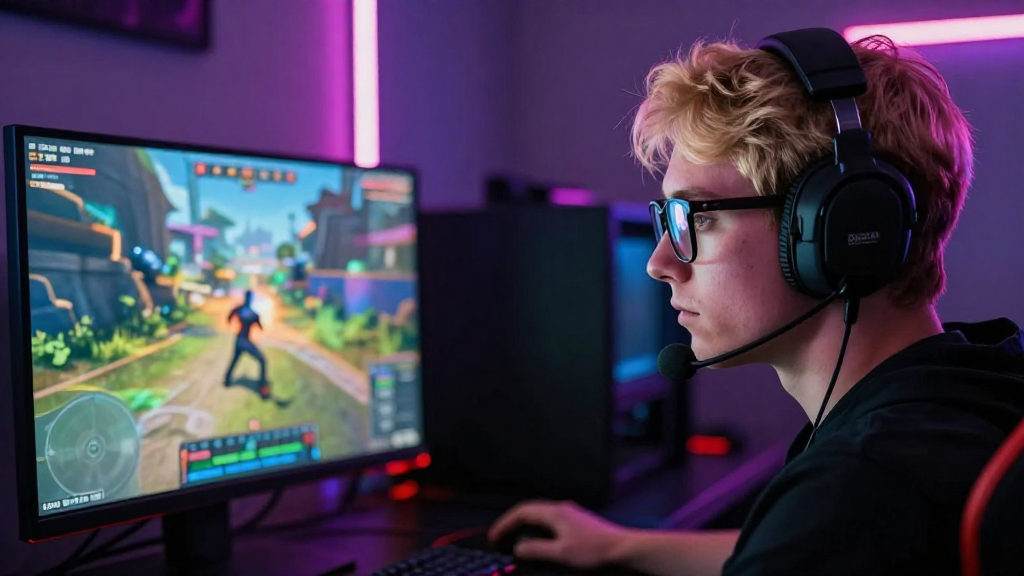
The way gamers develop instincts is a fascinating topic that delves into the cognitive processes involved in gaming.
Understanding how gamers develop instincts can greatly enhance one’s own gaming skills, ultimately leading to better performance and enjoyment.
What Are Gaming Instincts?
Gaming instincts refer to the intuitive abilities that players develop over time.
These instincts allow gamers to make split-second decisions during gameplay.
They encompass a wide range of skills, including:
- Spatial awareness: Understanding the positioning of characters and elements in the game.
- Pattern recognition: Identifying trends in enemy behavior or gameplay mechanics.
- Reaction time: Quickly responding to in-game stimuli.
- Strategic thinking: Formulating plans based on the current game state.
As players spend more time gaming, these instincts become honed, making gameplay feel more intuitive.
How Do Gamers Develop Instincts?
So, how do gamers develop instincts?
This process primarily involves practice and engagement with various gaming mechanics.
Let’s explore the components that contribute to the development of gaming instincts:
1. Experience: The Foundation of Learning
Just like any skill, experience is crucial.
The more time a gamer spends playing, the more they immerse themselves in different game scenarios.
This leads to knowledge accumulation and better understanding of game mechanics.
Players can enhance their instincts through:
- Playing various genres, such as shooters, RPGs, and strategy games.
- Engaging in multiplayer online matches where unpredictability is key.
- Analyzing their gameplay through replays to understand mistakes and successes.
2. Practice: Repetition Makes Perfect
Repetition is where the magic happens.
Through consistent practice, gamers reinforce their instincts and reflexes.
Key ways practice contributes to instinct development include:
- Drills and training modes: Many games incorporate training modes where players can refine specific skills.
- Challenging oneself: Competing against better players or pushing oneself in higher difficulty levels fosters growth.
- Using feedback: Recognizing the moments that lead to failure can help in adjusting strategies for the future.
3. Learning from Others: Community and Feedback
The gaming community is a treasure trove of knowledge.
Gamers can learn from watching others, whether through streams, tutorials, or forums.
Ways to harness community knowledge include:
- Watching professional gamers: Understanding their mindset and strategies can lead to improved instincts.
- Participating in forums: Discussion with peers provides insights and new techniques.
- Group play: Learning in a team setting helps individuals adapt to collective strategies and tactics.
4. Adaptation: Responding to Change
Games are ever-evolving, with patches and updates frequently altering mechanics.
Gamers develop instincts as they adapt to these changes over time.
The adaptation process involves:
- Trusting intuition: Experienced players often rely on gut feelings developed through past experiences.
- Flexible thinking: Learning to pivot strategies based on what the game presents them.
- Scenario planning: Anticipating potential changes and preparing for them fosters a faster development of instincts.
5. Critical Thinking: Analyzing Situations
When gamers confront challenges, critical thinking comes into play.
The analysis of gameplay situations leads gamers to better instincts for future scenarios.
Key aspects of critical thinking in gaming consist of:
- Assessing threats and opportunities: Quickly identifying what actions will yield the best results.
- Calculating risks: Weighing the potential rewards against possible consequences.
- Problem-solving: Tackling challenges with innovative strategies developed through experience.
6. Immersion: Getting Lost in the Game World
The more immersed a player is in the game, the more they can engage with the mechanics.
Immersion can lead to instinctual reactions that feel second nature.
Factors that contribute to immersion include:
- Engaging storylines: A captivating narrative keeps a player hooked and more attuned to the game.
- High-quality graphics and sound: These elements bolster the gaming experience, making reactions feel more urgent.
- Mood music: Soundtracks can heighten emotions and influence decision-making within the gameplay.
What Role Do Game Mechanics Play in Instinct Development?
The mechanics of a game are the building blocks of gameplay.
Understanding how mechanics work directly influences how gamers develop instincts.
1. Understanding Game Mechanics
Every game has its own set of rules and mechanics.
Developing a strong understanding allows players to navigate these elements easily.
Key game mechanics involve:
- Controls: Mastery of keybindings and controls allows for quicker reactions.
- Physics: Knowing how physics plays a role in a game can enhance spatial awareness.
- Game speed: Recognizing the pace of a game helps gamers prepare their instinctual responses accordingly.
2. Feedback Loops
Games often provide feedback on actions taken.
Understanding these feedback loops aids in instinct development.
Examples of feedback include:
- Visual cues: Indicators such as health bars or damage counters provide real-time feedback on performance.
- Auditory signals: Sounds indicate success or failure and can shape instinctual behavior.
- Scoring systems: Points, achievements, or rewards guide players toward successful tactics.
How Important Is Mindset in Developing Gaming Instincts?
A positive mindset can significantly impact how gamers develop instincts.
Key aspects of the gaming mindset include:
- Growth mindset: Believing that skills can be developed through dedication and effort.
- Patience: Understanding that developing instincts takes time and practice.
- Open-mindedness: Willingness to adapt strategies and learn from both successes and failures.
Conclusion: The Evolution of Gaming Instincts
In summary, understanding how gamers develop instincts is an intricate blend of experience, practice, learning from the gaming community, adaptation, critical thinking, and immersion.
By actively engaging with these elements, players can enhance their gaming abilities.
In the world of gaming, developing instincts is not just about reflexes, but a comprehensive approach to understanding gameplay and improving overall performance.
As technology and game design continue to evolve, so too will the instincts of gamers, creating a vibrant and dynamic gaming landscape.
Whether you’re a novice or a seasoned player, focusing on these elements can lead to a fulfilling and skill-enhancing gaming journey.