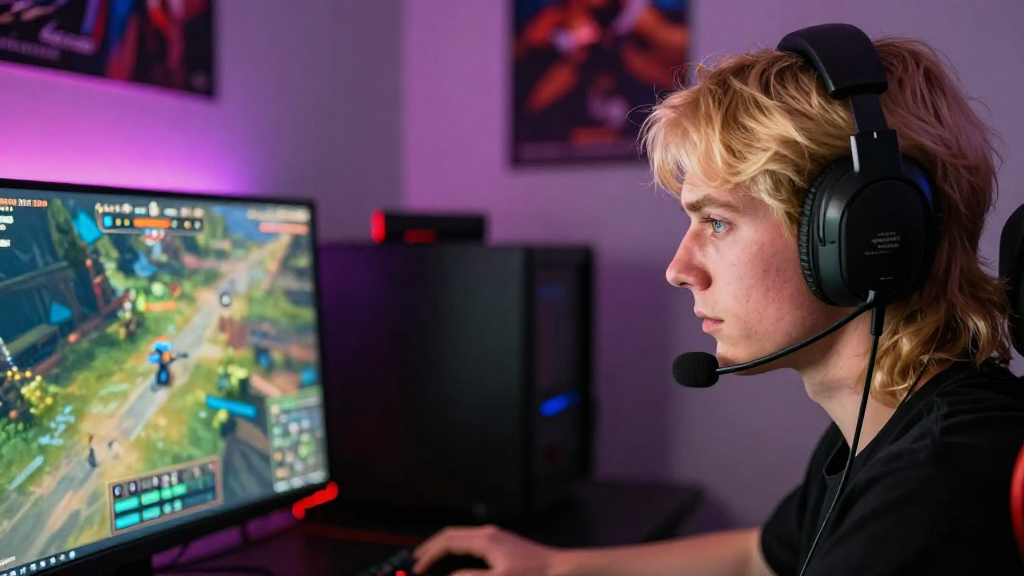
Gamers today engage deeply with their audiences, leading to complex dynamics around gaming and feedback response.
What is Gaming Feedback?
Feedback in gaming can come from various channels.
- Players: Suggestions and critiques from fellow gamers.
- Developers: Responses to previous gaming experiences, including updates and patches.
- Community: Input from forums, social media, and review sites.
Constructive feedback shapes the gaming landscape. Players can respond positively or negatively based on their perception of this feedback.
Why is Feedback Important in Gaming?
Feedback serves multiple vital purposes in gaming:
- Enhances Experience: Helps developers improve gameplay and mechanics.
- Strengthens Community: Fuels discussions among gamers, leading to a shared experience.
- Promotes Growth: Encourages both gamers and developers to innovate.
Hence, understanding how gamers respond to feedback is crucial for the evolution of games.
How Do Gamers Typically Respond to Feedback?
Do Gamers Accept Feedback Gracefully?
Certainly, many gamers appreciate constructive criticism. This acceptance can manifest in several ways:
- Adaptation: Players may change their gameplay style based on feedback from others.
- Engagement: Some gamers engage in discussions on forums to express their views.
- Improvement: Gamers actively seek advice to better their skills based on community input.
However, it’s important to note that not all feedback is well-received. There are several reasons for this.
What Makes Gamers Resistant to Feedback?
Certain factors can create resistance among gamers regarding gaming and feedback response:
-
Personal Attachment: Gamers often develop emotional connections with their favorite games. Critiques can feel personal.
-
Echo Chambers: Online communities may foster confirmation bias, leading players to reject feedback that contradicts their views.
-
Misunderstandings: Sometimes feedback may not be communicated clearly, resulting in misinterpretations.
This resistance can lead to backlash, especially if feedback feels disrespectful or unwarranted.
How Do Gamers Utilize Feedback Constructively?
Can Positive Feedback Encourage Gamers?
Absolutely! Positive reinforcement can significantly motivate gamers in various scenarios:
- Skill Development: Positive remarks on gameplay can boost confidence and encourage further practice.
- Community Building: Praise shared among players can strengthen alliances and friendships.
- Inspiration for Developers: Positive feedback can motivate developers to create more content that pays off.
Gamers often embrace constructive feedback and seek to leverage it for better experiences.
How Do Gamers Implement Constructive Criticism?
Constructive criticism is essential for improvement. Here’s how gamers typically implement it:
-
Feedback Channels: Gamers often utilize feedback forms provided by developers. This shows a direct line of communication.
-
Practice and Experimentation: Incorporating suggestions into gameplay, whether it be strategies or tips, is common.
-
Community Collaboration: Players might team up with others to share strategies based on collective feedback.
This collaborative spirit is vital in the gaming community.
Are Gamers Influenced by Developer Feedback?
How Do Developers Guide Gamer Responses?
Developers play a key role in shaping gaming and feedback response among players. Here’s how they engage gamers:
- Patch Notes: Through regular updates, developers inform gamers about changes made based on feedback.
- Community Engagement: Many developers host forums, AMAs (Ask Me Anything), and surveys to understand player needs.
- Beta Testing: By allowing players to test new features, developers create avenues for immediate feedback.
This interaction enhances the bond between players and developers, resulting in a gaming experience that’s fulfilling for everyone involved.
What Happens When Developers Ignore Feedback?
Ignoring player feedback can lead to user dissatisfaction, resulting in:
- Declining Player Base: Players may abandon a game if they feel unheard.
- Negative Reviews: Gamers may voice their frustrations publicly, impacting game sales.
- Community Outrage: An unresponsive developer can damage trust among even loyal players.
Thus, maintaining an open dialogue is crucial.
How Do Gamers Engage with Feedback in Competitive Environments?
How Important is Feedback in eSports?
In competitive gaming, feedback becomes even more pivotal. Here’s how:
- Real-Time Analysis: Players often analyze gameplay videos to identify missed opportunities or mistakes.
- Coaching: Many professional gamers work with coaches who provide detailed feedback on performance.
- Adaptation to Opponents: Understanding feedback from previous matches can lead to strategic advantages.
The competitive nature of eSports emphasizes the need for ongoing learning and adaptation.
Are There Differences in Feedback Responses by Game Genre?
How Do Genres Affect Feedback Responses?
Different genres may elicit various feedback responses:
-
Role-Playing Games (RPGs): Feedback might focus on storyline and character development.
-
First-Person Shooters (FPS): Responses may emphasize gameplay mechanics and balance.
-
Puzzle Games: Feedback typically revolves around difficulty levels and puzzle design.
Understanding genre-specific feedback gives developers insight into player expectations and preferences.
What Role Do Social Media Platforms Play?
How Does Social Media Influence Feedback Dynamics?
Social media platforms have revolutionized gaming and feedback response.
-
Direct Communication: Developers can share changes and receive instant feedback, fostering a quick exchange.
-
Memes and Trends: Gamers often use humor to express their feedback, making serious critiques more digestible.
-
Viral Campaigns: Social media can amplify feedback, reaching broader audiences and influencing game updates.
The rapid responses on these platforms underscore their significance in the gaming community.
Conclusion: The Future of Gaming and Feedback Response
As the gaming industry evolves, so too will the dynamics of gaming and feedback response.
Gamers increasingly expect their voices to be heard. They engage actively, shaping the future of games. Developers must adapt, integrating feedback into their design philosophy.
The relationship between gamers and developers hinges on open communication, respect, and adaptability.
Ultimately, understanding how gamers respond to feedback isn’t just beneficial; it’s crucial for shaping the gaming landscape of tomorrow.
As gaming continues to grow, the interplay between feedback and response will undoubtedly play a vital role in defining this exciting medium.