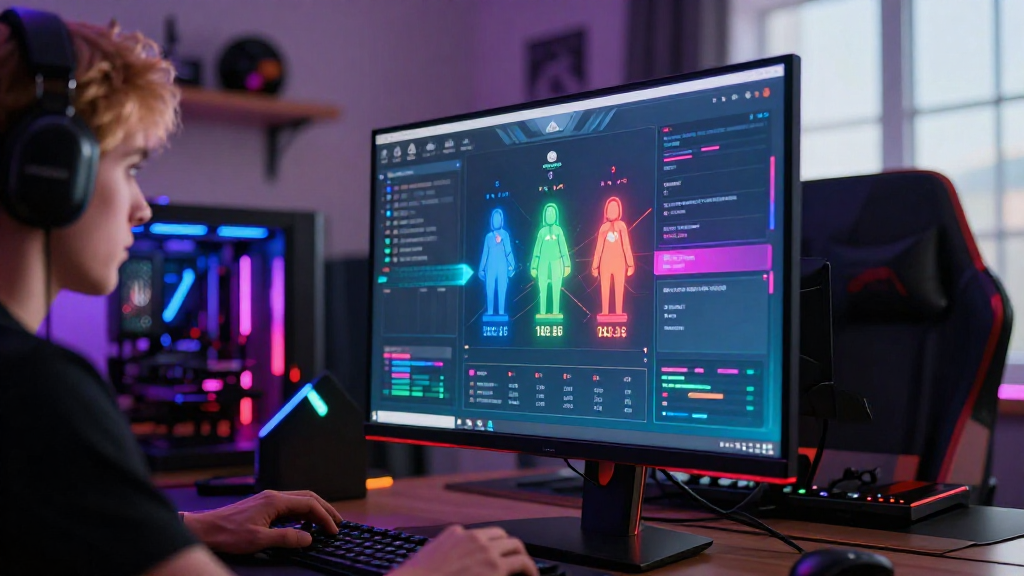
Gaming and milestone tracking is a concept increasingly gaining traction in the gaming industry.
In this article, we’ll delve into what milestone tracking means, its significance in game development, and how it enhances the player experience.
What Does Milestone Tracking Mean in Gaming?
Milestone tracking in gaming refers to the method of monitoring specific goals or targets throughout the game development process.
This involves setting key objectives that need to be achieved within a predetermined timeline.
These milestones can be:
- Levels completed
- Challenges successfully executed
- Story arcs finalized
By tracking these milestones, developers can ensure that the project stays on course and meets its anticipated release date.
Why Is Milestone Tracking Important for Game Development?
Milestone tracking is crucial in gaming for several reasons:
-
Project Management:
It helps streamline the entire development process. -
Time Management:
Setting clear deadlines improves time allocation for team members and resources. -
Budget Control:
By tracking milestones, developers can monitor expenditures and avoid overspending. -
Quality Assurance:
Regular reviews of milestones allow for identifying potential issues early in development. -
Improved Communication:
Milestones create clear benchmarks that improve collaboration within the team.
How Does Milestone Tracking Work?
Milestone tracking generally follows these steps in the gaming context:
-
Define Objectives:
Clearly outline the goals you want to achieve. -
Set Deadlines:
Assign realistic timelines for each milestone. -
Assign Roles:
Determine who is responsible for each task. -
Regular Monitoring:
Hold regular meetings to assess progress and make necessary adjustments. -
Feedback Loops:
Incorporate feedback from team members and testers at each milestone stage.
What Are the Key Components of Milestone Tracking in Gaming?
Effective milestone tracking in gaming comprises various key components:
-
Milestone Documents:
Detailed records outlining objectives, responsible parties, and timelines. -
Progress Tracking Tools:
Software such as Trello, Jira, or Asana can help visualize milestones. -
Timelines:
Gantt charts or project management software can illustrate the course of the entire project. -
Performance Metrics:
Evaluate the success of each milestone through user feedback, gameplay engagement, and bug reports.
How Does Milestone Tracking Enhance Player Experience?
Milestone tracking doesn’t just benefit developers; it importantly enhances the player experience in several ways:
1. Timely Updates
By tracking development milestones, developers can deliver regular updates.
This keeps players engaged and informed about the game’s progression.
2. Beta Testing Opportunities
Milestone tracking often culminates in beta testing phases.
Players can provide feedback based on their unique experiences, allowing developers to make necessary adjustments.
3. Enhanced Content Quality
With milestone tracking, game creators can focus on refining each segment of the game.
The end result is a polished product that meets player expectations and provides enjoyable gameplay.
What Challenges Can Be Faced in Milestone Tracking?
Although gaming and milestone tracking is integral to successful game development, it can also come with its share of challenges:
-
Overly Ambitious Goals:
Setting unrealistic milestones can lead to team burnout. -
Inadequate Communication:
Poor communication can result in missed deadlines and lost objectives. -
Changing Priorities:
In the fast-paced gaming industry, shifting market trends can affect existing milestones and goals. -
Underestimating Time Frames:
Many developers tend to underestimate how long tasks will take, leading to rushed work that affects quality.
How Can Developers Overcome Milestone Tracking Challenges?
To address the challenges associated with milestone tracking in gaming, developers can follow these strategies:
-
Set Realistic Expectations:
Understand the team’s capabilities and set achievable milestones. -
Encourage Open Communication:
Foster an environment where team members feel comfortable discussing challenges and suggesting changes. -
Be Flexible:
Adapt milestones as needed to respond to changing conditions in the gaming ecosystem. -
Implement Regular Check-ins:
Conduct frequent progress reviews to identify potential delays.
What Are Best Practices for Milestone Tracking in Gaming?
To ensure effective milestone tracking, consider these best practices:
-
SMART Goals:
Ensure your milestones are Specific, Measurable, Achievable, Relevant, and Time-bound. -
Use Technology:
Invest in project management tools that facilitate real-time updating and collaboration. -
Celebrate Achievements:
Acknowledge when a milestone is reached to keep morale high among team members. -
Document Everything:
Maintain thorough records of decisions, changes, and progress for future reference. -
Review and Reflect:
At the end of each milestone, conduct a retrospective analysis to learn from the experience.
Conclusion: Why Milestone Tracking Is Essential in Gaming
In conclusion, gaming and milestone tracking are vital to successful game development.
When used effectively, it provides a roadmap to achieving objectives, improving quality, and enhancing the overall gaming experience.
By understanding its components, benefits, challenges, and best practices, both developers and players can enjoy a smoother, more engaging gaming journey.
The practice of milestone tracking is not just a developer tool; it’s at the heart of creating the games that we all love to play.
By implementing effective milestone tracking strategies, developers can release polished, high-quality titles that resonate with audiences and maintain long-term engagement.