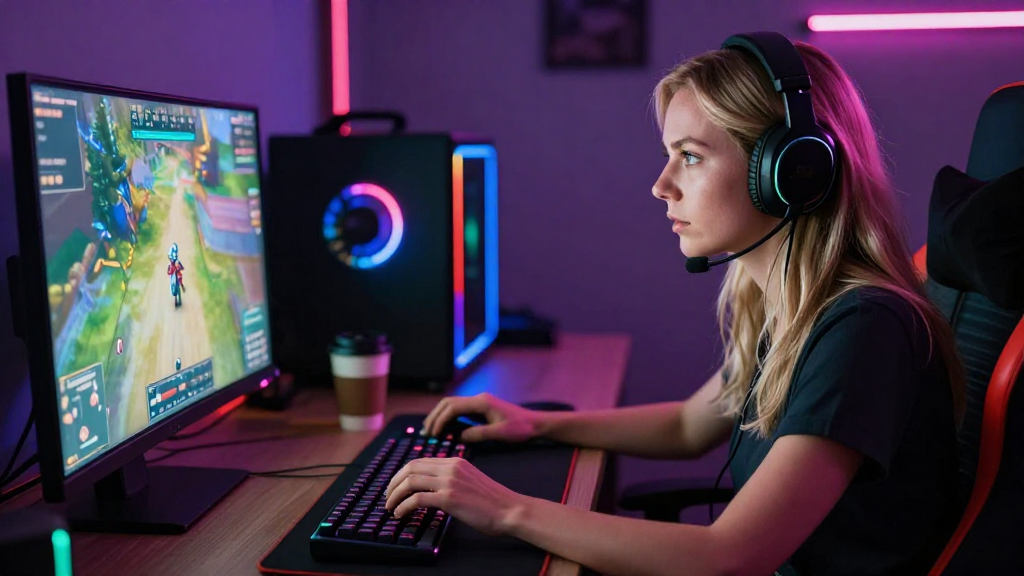
Do games increase awareness? This question has sparked considerable interest among researchers, educators, and gamers alike.
Games have become an integral part of our culture, with billions of people engaging in various forms daily.
But can they truly enhance our cognitive abilities?
In this article, we aim to delve into the question: do games increase awareness and alertness?
How Do Games Impact Cognitive Function?
Numerous studies suggest that games can have a positive impact on cognitive functions like perception, attention, and memory.
-
Improved Reaction Times
Action games often require players to react quickly to stimuli.
As a result, players develop faster reaction times, which can translate to better alertness in real-life situations. -
Enhanced Spatial Awareness
Many games, particularly 3D platformers and first-person shooters, require players to navigate complex environments.
This can lead to improved spatial awareness and better decision-making skills. -
Increased Ability to Multitask
Certain games challenge players to manage multiple tasks at once.
This form of multitasking can enhance general awareness and the ability to focus on various stimuli simultaneously. -
Focus and Concentration
Strategy games, such as StarCraft or Civilization, require players to focus on long-term planning, thereby fostering an environment where sustained attention is necessary.
Can Specific Game Types Increase Awareness?
Certainly! Different types of games can cultivate awareness in various ways.
-
Action Games
– Examples: Call of Duty, Fortnite
– These games sharpen players’ focus and spatial awareness due to their fast-paced and dynamic nature. -
Puzzle Games
– Examples: Tetris, Sudoku
– Puzzle games challenge your problem-solving skills and promote critical thinking, which may improve cognitive alertness. -
Role-Playing Games (RPGs)
– Examples: The Legend of Zelda, Skyrim
– RPGs often require players to concentrate on storylines, character development, and decision-making, enhancing verbal and comprehension skills. -
Educational Games
– Examples: Lumosity, Brain Age
– Designed explicitly to train cognitive abilities, these games enhance various mental skills, thereby increasing awareness.
Do Games Increase Awareness in Real Life?
The benefits of gaming are not limited to the screen.
Many gamers report that playing games increases their awareness and alertness in real-life situations as well.
Here’s How:
-
Quick Decision-Making
Gamers often need to make rapid decisions.
This practice can help players become more agile in their thought processes, improving their ability to handle unexpected situations in daily life. -
Situational Awareness
Multiplayer games, such as Overwatch or League of Legends, require players to be aware of their surroundings and monitor the actions of teammates and opponents.
This skill is vital in various real-world scenarios, including driving, sports, and work environments. -
Stress Management
Certain games also teach players how to cope with high-stress situations effectively.
Learning to stay calm under pressure fosters better awareness in real-life stressors.
What Studies Say
A substantial amount of research supports the idea that gaming does, indeed, enhance awareness and alertness.
-
Study on Action Gamers
A study from the University of Massachusetts found that action gamers performed better in tasks that required selective attention compared to non-gamers.
This suggests that those who play action games tend to have heightened awareness. -
Puzzle Game Benefits
Research conducted by the University of Toronto highlighted how puzzle games sharpen cognitive flexibility and problem-solving skills, increasing overall awareness. -
Impact of Strategy Games
A study published in Nature noted that players of strategy games exhibited improved planning and foresight abilities, which correlate with greater situational awareness.
How Long Do Games Need to Be Played?
Do games increase awareness? The duration and frequency of gaming can impact these cognitive benefits.
Research indicates that even short periods of daily gaming can lead to improvements in awareness and alertness:
- Frequent Short Sessions (30 minutes)
- Players reporting increased awareness often play in short bursts daily.
-
This approach keeps the mind engaged without overwhelming it.
-
Less Frequent Long Sessions (2+ hours)
- While long sessions can deepen engagement, infrequent long play might lead to fatigue.
- Balancing game time is crucial for maximizing the benefits.
Are There Risks?
While many games positively influence awareness and alertness, there are potential risks to consider:
-
Excessive Gaming
Increased gaming time can lead to negative effects, like sleep disturbances.
Lack of sleep severely impacts awareness and alertness. -
Addiction
Some individuals develop gaming addictions, which can detract from real-world responsibilities and interactions.
This can hinder cognitive function in other areas. -
Physical Health
Extended periods of inactivity may lead to various health problems, affecting overall well-being, and thereby awareness.
Conclusion: Do Games Increase Awareness?
In summary, numerous studies, anecdotal evidence, and personal experiences suggest that the answer to the question, do games increase awareness, is a resounding yes.
Through a balance of cognitive engagement, quick decision-making, and stress management, gaming can certainly enhance awareness and alertness.
However, moderation in gaming is essential to maximize its cognitive benefits and mitigate risks.
Whether you’re playing action-packed shooters or engaging brain teasers, remember that gaming can be more than just entertainment; it can be a valuable tool for enhancing awareness and sharpening alertness in our fast-paced world.
Play smart, and enjoy the journey of self-improvement through the captivating world of gaming!