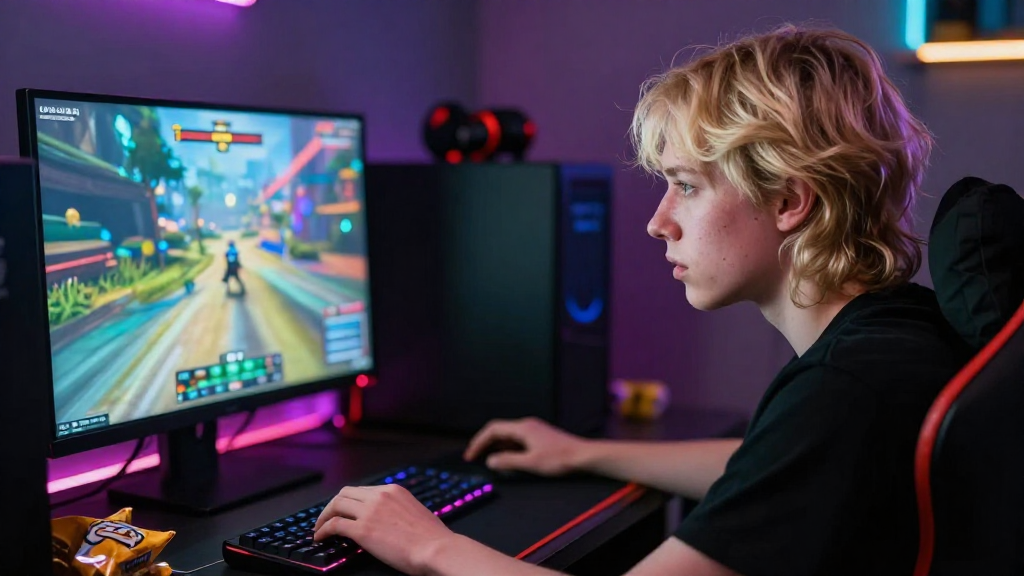
With the explosion of the gaming industry, many enthusiasts often wonder: is gaming mentally tiring?
This question touches on an important aspect of gaming that frequently gets overlooked – the mental implications of long gaming sessions.
What Makes Gaming Mentally Exhausting?
When considering the question, is gaming mentally tiring, it’s crucial to understand what aspects contribute to mental fatigue during gaming.
Here are several factors that can contribute to mental exhaustion while gaming:
-
Cognitive Load:
– Games often require deep concentration and strategic thinking.
– Players need to process vast amounts of information in real-time. -
Emotional Engagement:
– Many games involve narratives and characters that evoke emotional responses.
– High-stakes situations can lead to stress and anxiety, both of which are mentally draining. -
Physical Factors:
– Prolonged gaming can lead to physical strain, such as eye fatigue and poor posture.
– These physical discomforts can increase mental fatigue over time. -
Social Interaction:
– Multiplayer games often involve teamwork and communication, which can be both rewarding and exhausting.
– Conflict with other players can lead to additional mental stress.
Are There Different Types of Mental Fatigue?
Absolutely! Understanding the different types of mental fatigue can help clarify the question of is gaming mentally tiring.
1. Cognitive Fatigue:
- This type occurs when the brain has to work hard to solve problems, make decisions, or learn new skills in a game.
- Games requiring quick reflexes and rapid decision-making can particularly exacerbate cognitive fatigue.
2. Emotional Fatigue:
- Games with narrative depth, complex characters, and emotionally charged situations can leave players feeling drained.
- Engaging with heart-wrenching stories or intense rivalries can lead to emotional fatigue.
3. Social Fatigue:
- Multiplayer games foster social interaction, which can become mentally exhausting.
- Constantly connecting, competing, or collaborating with others demands energy and focus.
How Can You Manage Mental Exhaustion While Gaming?
If you’ve been asking yourself, is gaming mentally tiring?, it’s worth considering how to mitigate these effects. Here are some strategies to help manage mental exhaustion while gaming:
- Set Time Limits:
- Designate specific gaming times to prevent marathon sessions.
-
Shorter play periods can be more enjoyable and less exhausting.
-
Take Breaks:
- During gaming sessions, take regular breaks to rest your mind.
-
Stand, stretch, and hydrate between gaming stints.
-
Engage in Light Games:
- Occasionally switch to games that require less mental effort.
-
Casual games can provide relaxation instead of strain.
-
Limit Emotional Involvement:
- Choose games without complex narratives during high-stress times.
-
Playing straightforward arcade-style or simulation games can reduce emotional fatigue.
-
Foster a Comfortable Environment:
- Ensure your gaming area is ergonomically friendly.
- Proper lighting can reduce eye strain, leading to less mental fatigue.
Is There a Difference Between Casual and Competitive Gaming?
The type of gaming you engage in can greatly influence how mentally exhausting it is. Generally speaking, is gaming mentally tiring can depend on whether you’re playing casually or competitively.
Casual Gaming:
- Tends to be less mentally taxing and more about relaxation.
- Examples include puzzle games, mobile games, and light-hearted simulation games.
Competitive Gaming:
- This type demands higher focus, quick reflexes, and strategic thinking.
- Games like first-person shooters (FPS), multiplayer online battle arenas (MOBAs), or ranked matches in various genres can contribute to greater mental fatigue due to intense competition.
Are There Long-term Effects of Mental Exhaustion from Gaming?
Repeatedly experiencing mental exhaustion from gaming can lead to several long-term effects. Concerns about is gaming mentally tiring often focus on the impact of prolonged gaming habits over time:
- Burnout:
-
Continuous exposure to high-pressure gaming environments can lead to player burnout, where the enjoyment of gaming diminishes.
-
Increased Anxiety:
-
Long hours in competitive situations can foster anxiety, affecting overall mental well-being.
-
Reduced Cognitive Function:
-
Chronic mental fatigue may negatively impact attention span, problem-solving skills, and stress resilience.
-
Impact on Daily Life:
- Failing to balance gaming with daily responsibilities can lead to detrimental outcomes in relationships, work or educational commitment, and overall health.
Can Gaming Have a Positive Impact on Mental Health?
Despite the question, is gaming mentally tiring?, it’s also essential to highlight potential benefits.
- Cognitive Benefits:
-
Many video games improve cognitive functions, such as memory, attention, and problem-solving abilities through engaging gameplay.
-
Social Connections:
-
Multiplayer games can foster community and friendships, mitigating feelings of loneliness.
-
Stress Relief:
-
For some, gaming serves as an effective outlet to relieve stress and unwind after a demanding day.
-
Skill Development:
- Gaming can enhance skills like teamwork, communication, and leadership, making it a valuable activity beyond mere entertainment.
Conclusion: Finding the Balance
In summary, the question is gaming mentally tiring doesn’t have a one-size-fits-all answer.
It fundamentally depends on various factors, including the type of games played, the duration of gaming sessions, and individual preferences and comfort levels.
By being mindful of the mental load, balancing gaming with other activities, and understanding personal limits, players can enjoy the exciting thrills of gaming while minimizing the mental exhaustion that sometimes accompanies it.
Engaging with games can be thrilling and beneficial as long as one prioritizes mental well-being and finds a healthy gaming routine.