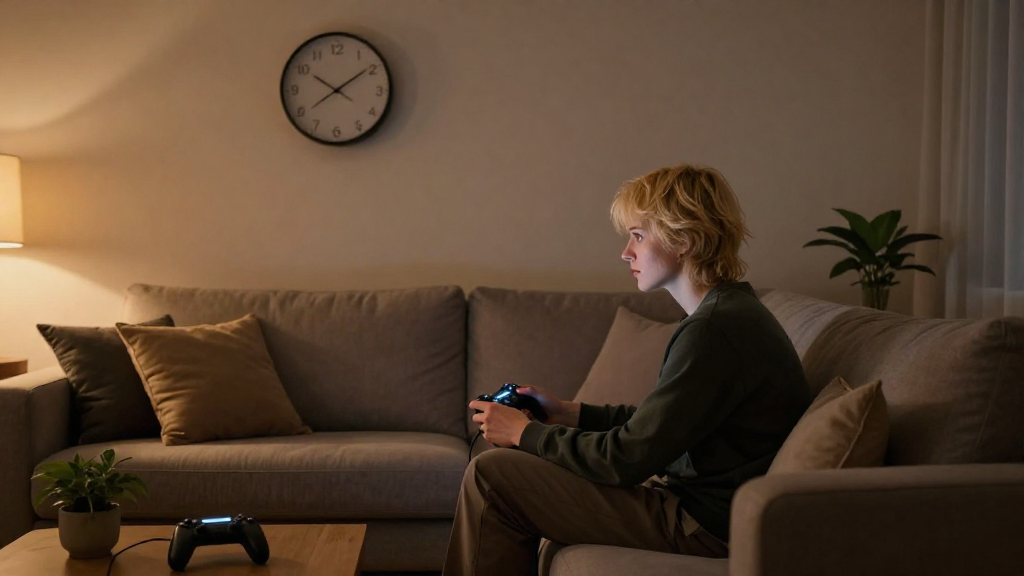
Can games build patience? This question has intrigued parents, educators, and gamers alike. As video games become increasingly dominant in entertainment and education, understanding their impact on character traits like patience is essential.
What Is Patience and Why Is It Important?
Patience is the ability to endure difficult circumstances without becoming annoyed or anxious. It plays a crucial role in various aspects of life, including:
- Relationships: Being patient fosters stronger connections with others.
- Education: Students who exhibit patience tend to perform better academically.
- Career: Many professions require a significant amount of patience for productivity.
In a fast-paced world where instant gratification is prevalent, developing patience is more important than ever.
Can Games Build Patience?
Now that we’ve defined patience, let’s explore the central question: Do games build patience? The answer is nuanced.
Video games, especially those designed with challenges and rewards, can indeed foster patience. How do they do this? Here are several ways:
1. Learning from Failures
Many games require players to face obstacles repeatedly.
-
Trial and Error: Gamers often need to try various strategies until they find success, teaching them that perseverance is crucial.
-
Progressive Difficulty: Many games increase in difficulty as players advance, forcing them to adapt strategies and learn patience as they grow.
2. Delayed Gratification
In gaming, rewards often come after long intervals of engagement and effort.
-
Leveling Up: Players frequently accumulate experience points that lead to progression over time.
-
Unlocking Content: New abilities or characters often require a substantial investment of time, promoting a sense of rewarding patience.
3. Strategic Planning
Many games require players to engage in strategic thinking, which develops patience.
-
Resource Management: Players often have to think several steps ahead, deciding how best to use their resources and time.
-
Team Play: In multiplayer games, patience is essential for collaborating effectively with teammates, especially in strategy games.
4. Real-Life Applications
Players often translate skills they’ve learned in games to real life.
-
Impulse Control: Gamers learn to wait for the right moment to act, reflecting in their daily decisions.
-
Goal Setting: Completing lengthy quests can lead players to set realistic, long-term goals, honing their ability to focus over time.
Do All Games Build Patience Equally?
The short answer is no. Not all games promote patience the same way. To better understand this, let’s classify games into different categories:
Action Games
- Instant Rewards: These games tend to offer immediate satisfaction, emphasizing quick reflexes rather than patience.
Strategy Games
- Deliberate Decision-Making: Games like Civilization or StarCraft usually require players to be patient and contemplative.
Role-Playing Games (RPGs)
- Long-Term Goals: RPGs like Final Fantasy or The Witcher often involve extensive journeys with both main and side quests, encouraging patience.
Simulation Games
- Realistic Time Management: Games like The Sims or Animal Crossing require players to manage time and resources, fostering patience over multiple in-game days.
How Can Parents Encourage Patient Gaming?
If your child plays video games, you might wonder how to ensure those experiences cultivate patience. Here are a few tips:
1. Choose the Right Games
Opt for games known to build patience.
- Focus on Strategy and RPGs: Games in these genres often require more thought and time, teaching players to be patient.
2. Set Time Limits
While gaming can be beneficial, excessive gaming can become counterproductive. Encourage breaks:
- Scheduled Gaming Sessions: Limit playtime to prevent burnout and impulsiveness.
3. Discuss In-Game Decisions
Engage your child in conversations about their gaming choices, which can help them reflect on the need to be patient in both the game and daily life.
- Encourage Reflection: Ask questions like “What strategy worked best?” or “What could you do differently next time?”
4. Reward Patience
Acknowledge and reward your child’s patient behavior in games.
- Incentivize Patience: Consider giving a small reward for overcoming a challenging level or waiting for a substantial in-game reward.
What Are the Scientific Perspectives?
Researchers have studied the effects of gaming on cognitive skills, including patience.
-
Enhanced Cognitive Skills: Studies suggest that games improve multitasking skills, attention, and even emotional regulation.
-
Building Resilience: The act of overcoming challenges in-game can lead to higher resilience in real life.
Research Highlights
- Studies have shown that players often develop patience when engaging in games that demand strategic thinking and long-term planning.
- Observations indicate that the social benefits of patience learned through cooperative gameplay can contribute positively to an individual’s emotional health.
Conclusion: Do Games Build Patience?
In conclusion, do games build patience? The answer seems to point towards a positive influence, provided that the right types of games are played thoughtfully.
While not all games inherently develop patience, many have mechanisms in place that offer excellent opportunities for teaching this vital trait.
As parents, educators, or gamers, recognizing the potential for fostering patience can transform gaming from mere entertainment into a powerful tool for personal and social development.
Gaming can indeed nurture patience, teaching players to wait for rewarding experiences while also equipping them with lifelong skills. Embrace it wisely!