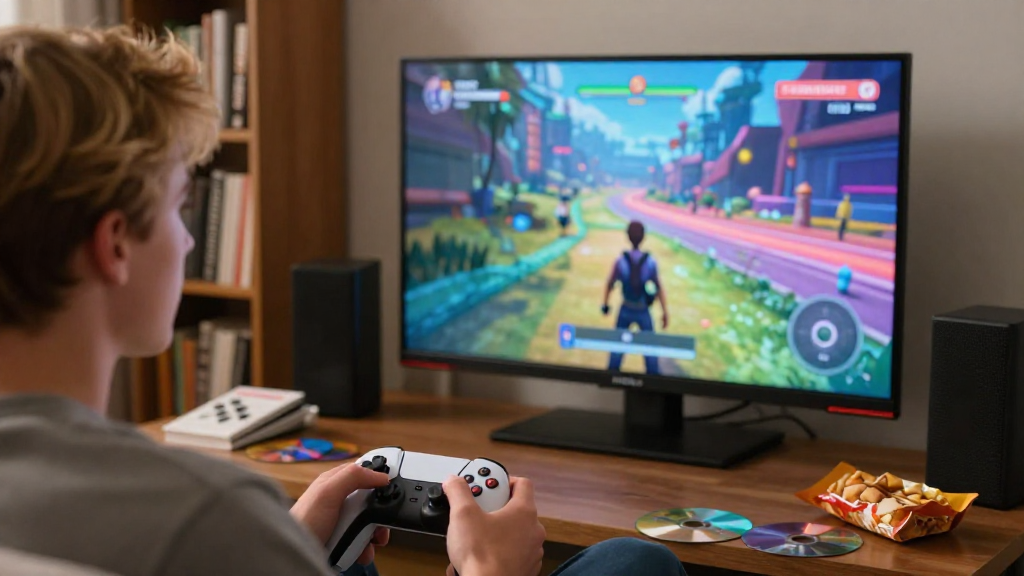
The effects of gaming on memory have garnered considerable attention in both the academic community and popular culture.
As video games continue to grow in popularity, understanding the implications they have on cognitive functions, particularly memory, is crucial.
How Does Gaming Influence Different Types of Memory?
Memory can be broadly categorized into various types, including short-term memory, long-term memory, and working memory.
Recent studies have shown that gaming can impact these different types in several ways.
-
Short-term Memory:
– Engaging in fast-paced action games may enhance players’ short-term memory.
– Quick decision-making and rapid information processing can lead to improved recall abilities. -
Long-term Memory:
– Strategy and role-playing games often require players to remember complex narratives, characters, and game mechanics.
– These types of games can foster better long-term memory retention. -
Working Memory:
– Puzzle games and simulation games engage players in tasks that require active manipulation of information, thereby strengthening working memory.
– Players often remember rules and strategies while navigating complex game environments.
What Are the Positive Effects of Gaming on Memory?
The effects of gaming on memory are not solely negative; they yield numerous cognitive benefits as well.
Improved Spatial Awareness
Many video games, especially action and adventure games, enhance spatial memory.
Players learn to navigate vast landscapes, making them more adept at understanding and remembering spatial relationships in the real world.
Enhanced Problem-Solving Skills
Games that involve complex scenarios require players to solve problems and think critically.
This not only helps in better decision-making but also leads to improved memory retention as players remember solutions to past challenges.
Better Multitasking Abilities
Action games often involve multitasking, requiring players to manage multiple objectives simultaneously.
This enhances cognitive flexibility and working memory, as players need to remember various game elements while making quick decisions.
Can Gaming Have Negative Effects on Memory?
While there are beneficial aspects, it’s essential to also examine the potential negative effects of gaming on memory.
Overstimulation and Attention Issues
Excessive gaming can lead to overstimulation, causing difficulty in maintaining focus on tasks outside of the gaming domain.
This can result in poorer memory retention for real-life information, as players become accustomed to the high-stimulation environment of video games.
Reduced Real-World Experiences
Players who spend extensive hours in gaming may miss out on real-life experiences that could help enhance memory and cognitive skills.
For instance, social interactions and physical activities contribute significantly to mental sharpness and memory.
Memory Impairment From Addiction
In some cases, gaming addiction can lead to cognitive impairment, affecting memory retention negatively.
Players may prioritize gaming over sleep, nutrition, and mental health, all of which are crucial for optimal cognitive functioning.
How Can You Leverage Gaming for Memory Enhancement?
If you’re interested in reaping the benefits of the effects of gaming on memory, consider the following strategies:
Choose the Right Games
Select games that engage your memory, particularly those that:
– Encourage strategy development (e.g., strategy games)
– Challenge problem-solving skills (e.g., puzzle games)
– Involve narrative elements (e.g., role-playing games)
Set Time Limits for Gaming
To prevent the negative effects and promote a balanced lifestyle, establish gaming time limits.
This allows you to enjoy the cognitive benefits while avoiding overstimulation and addiction.
Engage in Multi-Modal Learning
Pair gaming with other forms of learning and experiences.
For example, supplement your gaming with reading, social interactions, and physical activities to enhance memory retention holistically.
What Do Studies Say About the Effects of Gaming on Memory?
Numerous studies have examined the effects of gaming on memory, yielding intriguing results.
- One study published in the journal Cognitive Psychology suggested that players of fast-paced action games showed better spatial memory abilities compared to non-gamers.
- Another research project noted that frequent gamers performed significantly better in working memory tasks than those who play less frequently.
- Long-term exposure to strategic and problem-solving games can lead to enhanced cognitive abilities, indicating a positive relationship between gaming and memory improvement.
Conclusion: Balancing the Effects of Gaming on Memory
Understanding the effects of gaming on memory presents a nuanced view of how video games can act as both tools for cognitive enhancement and potential risks to mental health.
By selecting appropriate games, managing playtime, and balancing gaming with real-life experiences, players can optimize the cognitive benefits while mitigating possible negative outcomes.
Incorporating fun and engaging gaming experiences with mindful practices can create an enriched learning environment that supports both memory and overall well-being.
This way, you can indulge in your passion for gaming while nurturing and enhancing your memory skills along the way.