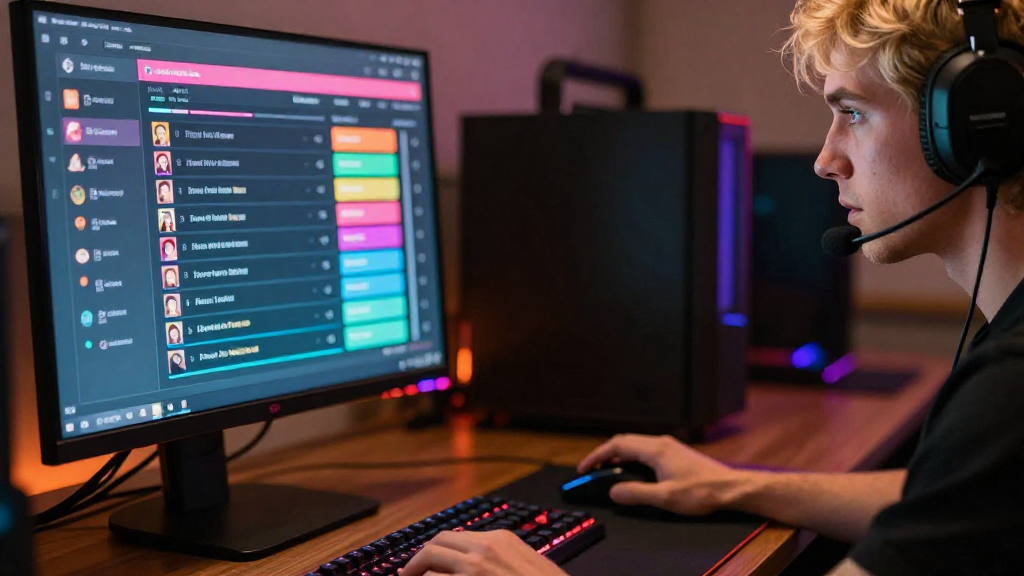
In the world of gaming, one question often arises: why do gamers value rankings? The answer goes beyond simple bragging rights. Gamers are deeply invested in their rankings for various reasons, some of which enhance their gaming experience and others that reflect broader social dynamics. In this article, we’ll explore the reasons behind the importance of rankings in the gaming community.
What Are Rankings in Gaming?
Before diving into the reasons why players care about rankings, let’s clarify what rankings are.
In gaming, rankings represent a player’s status or position relative to others in both competitive and non-competitive environments. Rankings can be seen in various forms such as:
- Skill-based ranks: Often found in competitive games like Dota 2 or League of Legends.
- Leaderboard standings: In games that involve challenges and achievements, like Fortnite.
- Game progress level: Commonly seen in single-player games where progress is measured against specific milestones.
Understanding the different types of rankings helps illuminate their significance within the gaming community.
Why Do Gamers Value Rankings?
So, why do gamers value rankings? The motivations behind players’ attachment to their rankings can be categorized into several key factors:
1. A Sense of Achievement
One of the primary reasons gamers care about rankings is the achievement they represent.
- Goal Setting: Rankings provide tangible goals to aspire to, giving gamers a sense of direction in their gameplay.
- Skill Recognition: Climbing the ranks often signifies improvement and mastery of the game, leading to personal satisfaction.
- Trophy Effect: Higher ranks can feel like trophies, rewarding hard work and dedication.
2. Social Status and Recognition
In gaming communities, rankings significantly influence social dynamics.
- Peer Validation: Higher-ranked players often receive more attention, respect, and recognition from their peers.
- Competitive Spirit: Players are more likely to engage with each other when they can showcase their rankings, fostering a competitive yet friendly environment.
- Community Identity: Many online communities revolve around rank, creating an identity based on skill levels that gamers proudly display.
3. Enhanced Gameplay Experience
Rankings also enhance the overall gameplay experience in several ways.
- Matchmaking: Many competitive games use rankings for matchmaking, ensuring that players face off against opponents of similar skill levels.
- Balanced Competition: This creates an engaging and balanced environment, preventing frustration caused by mismatched skill levels.
- Progression Feedback: Rankings serve as a built-in feedback mechanism to help players gauge their skills and progress within the game.
4. Incentives and Rewards
Games often integrate various incentives linked to rankings, further motivating players.
- In-game Rewards: Higher ranks may unlock special features, skins, or items, providing a tangible benefit to reaching higher levels.
- Seasonal Rewards: Many games offer seasonal rewards based on rankings, which adds excitement and prestige to climbing the ranks.
- Esports and Tournaments: For competitive gamers, a higher ranking can lead to participation in prestigious tournaments, opening up opportunities for fame and monetary rewards.
5. Psychological Elements
The psychology of rankings plays a significant role in why gamers value them.
- Dopamine Rush: Achieving a new ranking can trigger the release of dopamine, making the player feel good and motivating them to play even more.
- Fear of Missing Out (FOMO): As seasons change in competitive games, there’s often a rush to achieve the best rank before the season ends, leading to increased playtime.
- Social Comparison Theory: People often evaluate their own worth by comparing themselves with others, making rankings an external validation of their gaming skills.
How Do Rankings Influence Game Design?
Game designers are well aware of the importance of rankings and often design their games accordingly.
1. Incorporating Ranking Systems
Designers implement ranking systems to foster engagement and competition.
- Level-Specific Challenges: Unique challenges tied to different rank levels can keep players engaged.
- Dynamic Leaderboards: Regularly updated leaderboards encourage continuous play and competition among players.
2. Balancing Difficulty
The ranking systems often lead to a natural balance within games.
- Skill Matching: By placing players of similar ranks against each other, game designers can create a more enjoyable experience.
- Adaptive Difficulty: Some games adapt their challenges based on the player’s rank, ensuring that they remain engaged and motivated.
Do All Gamers Value Rankings Equally?
The importance of rankings can vary across different types of players.
1. Casual Gamers
Casual players may not be as invested in rankings.
- Social Interaction: They often prioritize enjoyment and social connections over competitive rankings.
- Focus on Fun: Gameplay experiences take precedence, making rankings less significant.
2. Competitive Gamers
Conversely, competitive gamers place tremendous value on rankings.
- Skill Mastery: For them, rankings represent their skills and dedication to the game.
- Esports Pathways: Climbing ranks can open doors to professional gaming opportunities.
What Happens When Players Disconnect from Rankings?
Sadly, the obsession with rankings can sometimes lead to negative consequences.
1. Toxic Behavior
In highly competitive environments, rankings can lead to:
- Toxicity among Gamers: Players may behave poorly due to the pressure of maintaining or improving their ranking.
- Harassment: Lower-ranked players may face harassment from higher-ranked individuals wanting to ensure their own status.
2. Burnout
The constant striving for higher ranks can sometimes lead to:
- Gaming Fatigue: Players may find themselves burned out from the stress of competition, prompting them to take breaks from their favorite games.
- Loss of Enjoyment: The focus on ranking can eclipse the fun aspects of gaming.
Conclusion: Why Gamers Value Rankings
To summarize, the question of why gamers value rankings is multifaceted.
From fostering a sense of achievement and providing social validation to enhancing gameplay experiences with balance and skill-based competition, rankings play a crucial role in the gaming world.
While rankings can certainly be a double-edged sword, fostering both community engagement and toxic behavior, they remain a central part of the gaming experience.
Whether you are a casual gamer enjoying your time or a competitive player striving for the top, it’s clear that rankings hold an essential place in modern gaming culture.
Understanding their significance can enrich your perception of the gaming community and improve your own experience as a player.