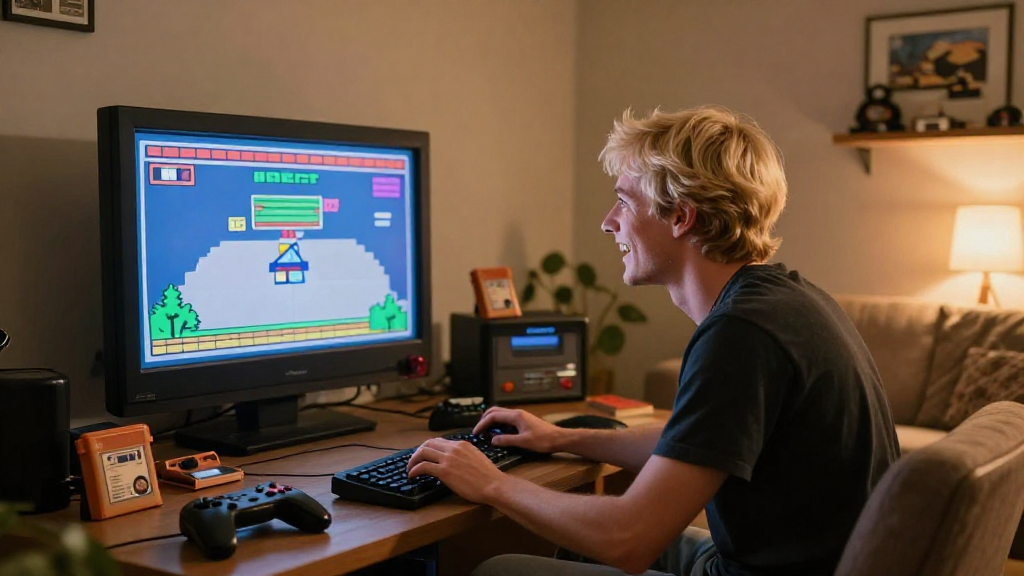
Have you ever wondered why gamers replay games?
It’s a phenomenon that many of us have experienced.
You might finish a game, set it aside and think you’ll never return, only to find yourself booting it up again a few weeks or months later.
In this article, we’ll explore the underlying reasons that compel gamers to revisit their favorite titles time and again.
What Makes a Game Worth Replaying?
There are numerous factors that contribute to why gamers replay games. Understanding these elements can shed light on the psychology of gaming.
-
Emotional Attachment
Many games create emotional bonds with players.
A compelling story or relatable characters can evoke feelings that players want to experience again.
Games like The Last of Us or Final Fantasy VII often leave a lasting impact. -
Nostalgia
Nostalgia plays a significant role in why gamers replay games.
Revisiting childhood favorites, such as Super Mario Bros. or The Legend of Zelda, can transport players back to simpler times.
These games evoke cherished memories and a sense of comfort. -
Exploration and Discovery
Some games offer vast worlds filled with secrets to uncover.
In titles like The Witcher 3 or Elden Ring, players may want to dive back into the experience to explore new quests or accurate decisions.
Replaying allows them to discover unknown facets and enjoy the sense of adventure anew. -
Different Play Styles
Game mechanics can offer multiple play styles or endings.
Gamers who appreciate variety may replay a game to try out different approaches.
For instance, a player might initially choose a stealth approach and later decide to tackle the game with a more aggressive style.
Why Do Story-Driven Games Entice Replay?
Story-driven games, with their rich narratives, often leave players yearning for more.
But why do gamers replay games with compelling stories?
-
Complex Storylines
Many games feature intricate plots that can be better understood through multiple playthroughs.
Players may catch nuances or hidden details that they missed during their first attempt.
Games like The Witcher 3 offer branching narratives that can change significantly based on player choices. -
Character Development
Replaying a game allows players to witness their favorite characters’ journeys more intimately.
They may find new aspects of character development or appreciate relationships that evolve throughout the game.
This connection deepens the experience for many gamers. -
Choice Impact
Choices made in story-driven games can lead to vastly different outcomes.
Players may be curious about the consequences of decisions they did not make in previous playthroughs.
Titles such as Mass Effect and Detroit: Become Human exemplify this.
Is Gameplay Variety Key to Replayability?
Another crucial aspect of why gamers replay games is the variety of gameplay experiences.
Games with diverse mechanics or strategies often invite players back.
Here’s how:
-
Multiple Game Modes
Many modern games offer various modes, such as single-player, co-op, or PvP.
This variety can encourage players to get the game back on their playlists.
Call of Duty and Fortnite thrive on this concept, constantly adding new modes and challenges to keep interest alive. -
Expansions and Updates
Games frequently release updates or expansions to keep the content fresh.
Veterans of games like World of Warcraft often return for new quests, missions, and character classes.
These additions lead to an enriched gameplay experience. -
Achievements and Challenges
Some gamers are motivated by the desire to unlock achievements or complete challenges.
These goals can sustain their interest and encourage them to replay a game for 100% completion.
This is particularly true in titles like Dark Souls, known for its tough challenges and mastery requirements.
Why Do Multiplayer Games Cause Replays?
Online multiplayer games often see high replay rates.
But why do gamers replay games in this genre?
-
Social Interaction
Multiplayer games afford players the opportunity for social connection.
Gamers may return to a title like Overwatch or Apex Legends for the interactions and camaraderie it provides.
This spirited competition and collaboration draw players back time and again. -
Dynamic Content
Multiplayer games are constantly evolving.
Developers often introduce new maps, characters, and seasonal events.
This ever-changing landscape compels players to keep coming back for more. -
Skill Improvement
Many gamers enjoy honing their skills in competitive environments.
They analyze their performance and strive to be better with each match.
This drive for self-improvement adds a layer of satisfaction to replays.
Do Nostalgia and Comfort Play a Role?
Nostalgia and comfort are significant contributors to why gamers replay games.
As we navigate the complexities of life, sometimes revisiting beloved games offers a comforting retreat.
-
Comfort in Familiarity
Familiar game mechanics and settings bring a sense of stability.
Gamers might turn to Animal Crossing or Stardew Valley as a way to unwind and escape stress. -
Routine and Ritual
Gamers may develop routines surrounding their favorite games, such as seasonal playthroughs.
This consistency helps them maintain a connection to the game while fostering healthy nostalgia.
Can Replay Value Be Quantified?
When considering why gamers replay games, one must also ponder whether replay value is quantifiable.
While it’s often subjective, certain metrics evaluate a game’s replayability.
-
Game Longevity
The length of time people engage with a game can indicate replay value.
Titles that remain popular over many years often boast strong replay factors. -
Average Completion Rates
The percentage of players who return to finish the game again can also be telling.
Insights from platforms like Steam often reveal how many players return to complete titles. -
Community Engagement
Game forums, fan art, and social media trends can highlight a game’s emotional connectivity.
Higher community discussions often correlate with games that have substantial replayability.
Conclusion: Why Gamers Replay Games
The reasons behind why gamers replay games are myriad and complex.
From emotional connections and nostalgia to gameplay mechanics and social interactions, the elements are intertwined.
Understanding these aspects can help define our gaming experiences and enhance the joy of participating in this vibrant medium.
Whether you seek adventure, a sense of community, or a familiar story, it’s clear that the urge to return to our favorite games is a universal experience.
So the next time you find yourself booting up a game you’ve played before, take a moment to savor why you love it once more.
Happy gaming!