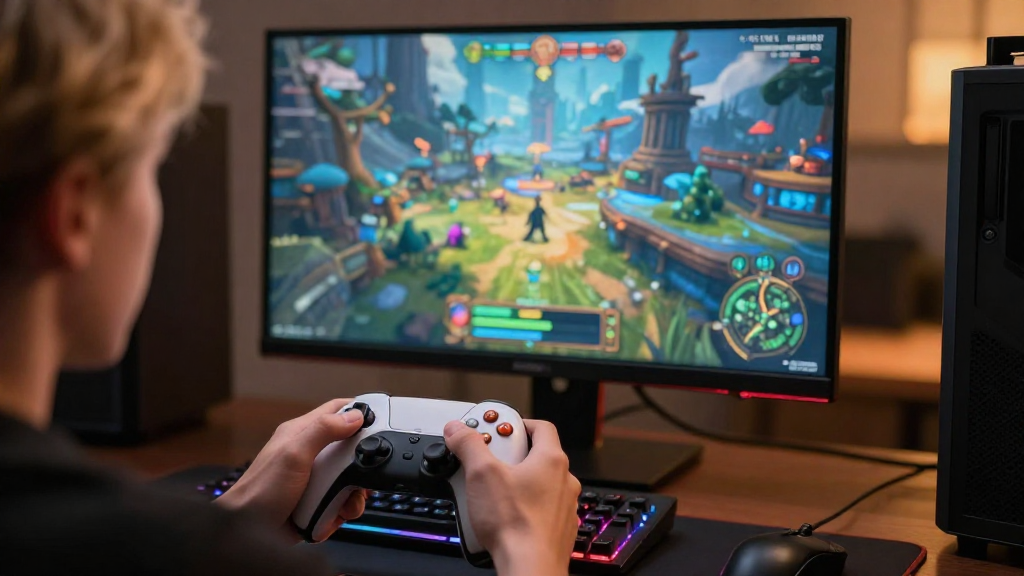
Have you ever wondered why gamers grind for hours on end?
In the gaming community, “grinding” refers to the repetitive act of performing the same tasks to level up characters, acquire in-game currency, or unlock new items.
But what drives this behavior? In this article, we’ll dive deep into the reasons behind grinding in gaming and how it impacts players.
What Is Grinding in Gaming?
Before we explore why gamers grind, let’s clarify what this term means.
Grinding involves:
- Repetitive tasks: Completing the same missions or challenges multiple times.
- Resource gathering: Collecting items or currency for upgrades.
- Leveling up: Increasing a character or account level to gain better stats.
While it may seem tedious to outsiders, grinding is a core mechanic in many games.
Why Do Gamers Grind?
Now let’s explore why gamers grind and the pivotal reasons that entice them to engage in such repetitive gameplay.
1. Sense of Achievement
One primary reason why gamers grind is the deep-seated need for achievement.
- Gamers thrive on milestones: Hitting certain levels or acquiring new items feels rewarding.
- Every small win fuels motivation: Completing a challenging quest or leveling up provides satisfaction.
This cumulative sense of achievement can turn gaming into a compelling self-improvement exercise.
2. Character Progression
Many players find that grinding is essential for character progression:
- Skill enhancement: Grinding allows players to boost their character’s abilities.
- Unlocking powerful weapons or skills often requires extensive grinding.
As gamers invest time improving their characters, they become increasingly immersed in the game world.
3. Social Interaction
While grinding may seem like a solo activity, it often fosters community and social interactions:
- Many players grind in groups: Cooperative grinding leads to forming bonds between players.
- Teams can enhance the overall experience, enabling players to strategize and build relationships.
Strong social connections can make the grinding process feel less monotonous and more enjoyable.
4. Mastery of the Game
Gamers often grind to master the mechanics of the game:
- Repeating specific tasks improves player skills: This includes everything from combat techniques to resource management.
- Mastery leads to more enjoyment: The more skilled a player becomes, the more they can explore advanced game content.
Mastering a game is a fulfilling and often addictive aspect of gaming culture, further enhancing why gamers grind.
5. Escape from Reality
For many players, gaming serves as an escape from reality:
- Grinding can provide a distraction from the daily grind of life.
- It allows gamers to immerse themselves in different worlds, focusing entirely on in-game challenges.
This escapism can become particularly appealing for those seeking a break from stress and routine.
Why Do Gamers Grind for Rewards?
One of the major attractors in grinding relates to the tangible rewards it provides.
1. In-Game Currency
Gamers often grind to earn in-game currency, which enables:
- Purchasing upgrades: Currency allows players to buy new equipment or skills, enhancing gameplay.
- Accessing premium content: In-game purchases typically require significant currency, motivating prolonged grinding.
The allure of in-game currency can act as a powerful motivator for hours of grinding.
2. Exclusive Items
Another reason why gamers grind is the quest for exclusive items:
- Unique skins, weapons, and other collectibles are often locked behind grinding.
- These exclusive items can symbolize status within the gaming community.
Having special items can validate a player’s dedication and skill, creating a sense of pride.
3. Achieving High Ranks
Grind-related rewards include reaching high ranks in competitive games:
- Players invest time to secure their position on leaderboards.
- High ranks often attract respect and acknowledgment from peers.
Reaching top-tier ranks can provide a sense of accomplishment that motivates gamers to keep grinding.
How Does Grinding Impact Game Design?
Understanding why gamers grind offers valuable insights into game design.
1. Game Mechanics
Game developers often incorporate mechanics that encourage grinding:
- Daily challenges: Games offer daily missions to incentivize players to log in regularly.
- Limited-time events: Special events create urgency and promote grinding for exclusive rewards.
These mechanics help keep players engaged and returning to the game.
2. Retention Strategies
Grinding serves as a retention strategy for developers:
- Players become invested in long-term progress: The time spent grinding creates a sense of commitment.
- Regular updates can lead to renewed grinding motivations: Fresh content keeps the experience from becoming stale.
Retention strategies ensure players remain engaged with the game, increasing its lifecycle.
Conclusion: The Dichotomy of Grinding
In conclusion, why gamers grind boils down to a combination of psychological, social, and game design factors.
On one hand, grinding can provide a sense of achievement, mastery, and social connection.
On the other hand, the repetitive nature can feel tedious or even overwhelming at times.
Understanding this dichotomy adds depth to our appreciation of the gaming world.
Gamers grind not merely for the sake of grinding but for multifaceted motivations that enrich their experiences.
Whether it’s for self-improvement, community bonding, or in-game rewards, each player finds their unique reasons for spending hours engaging in this time-honored tradition.
Remember that, while grinding may seem monotonous, each session contributes to a larger journey—one that transcends beyond just gaming itself.
As the gaming landscape evolves, so will the conversations about why gamers grind, making it an ever-relevant topic in the world of video games.