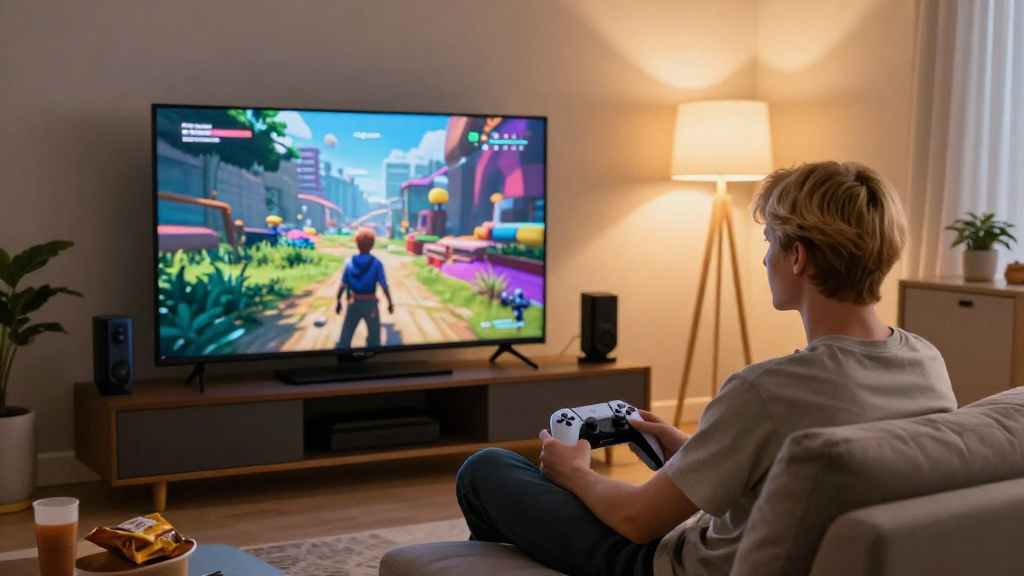
The question on many minds is: is gaming good for memory?
In recent years, the debate over video games and their impact on cognitive functions has gained traction.
With an increasing number of players worldwide, researchers are delving into whether gaming could potentially enhance memory and other cognitive abilities.
What Does Research Say About Gaming and Memory?
The question “is gaming good for memory” has been explored through various studies, each revealing fascinating insights.
According to a study published in the journal Nature, action games can significantly improve players’ visual attention and working memory.
Here are some key findings:
-
Improved Spatial Memory: Players of action games often demonstrate better spatial awareness, which involves remembering the locations of various objects and navigating through complex environments.
-
Increased Working Memory: Fast-paced games require players to continuously track multiple factors, engaging short-term memory and improving overall cognitive flexibility.
-
Enhanced Problem-Solving Skills: Many games, particularly puzzle and strategy games, challenge players to learn new strategies to overcome obstacles. This can lead to improved logical thinking and problem-solving abilities.
The evidence suggests that gaming can foster a variety of memory-enhancing skills.
Which Types of Games Are Most Beneficial for Memory?
If the question remains — is gaming good for memory — it’s vital to identify which genres offer the most cognitive benefits.
The following types of games have been researched for their positive impact on memory:
-
Action Games:
– These games often require rapid decision-making and quick reflexes, resulting in improved digital working memory.
– Examples include Call of Duty and Fortnite. -
Puzzle Games:
– These games encourage critical thinking and problem-solving while developing memory over time.
– Exemplary titles are Tetris and Candy Crush Saga. -
Role-Playing Games (RPGs):
– RPGs immerse players in rich narratives that require remembering various characters, quests, and game mechanics, enhancing long-term memory.
– Examples include The Witcher series and Final Fantasy games. -
Simulation Games:
– These games often mimic real-life scenarios, encouraging the development of planning and organizational memory skills.
– Titles like The Sims and Cities: Skylines fall into this category.
Each genre offers unique challenges and opportunities for cognitive enhancement, answering whether gaming can indeed improve memory.
Do Different Age Groups Benefit Differently from Gaming?
When discussing “is gaming good for memory”, it’s also crucial to consider age differences.
Research shows that the effects of gaming may vary across different age groups:
- Children and Teenagers:
- Early exposure to games can significantly enhance memory and cognitive flexibility.
-
Educational games, in particular, have been noted for promoting learning while making it enjoyable.
-
Adults:
- For adults, gaming can serve as a mental exercise.
-
Engaging in memory-intensive games can delay cognitive decline and aid in maintaining memory sharpness.
-
Elderly Individuals:
- Older adults can benefit from games designed specifically for their age group, which can help maintain and even improve memory.
- Games like Lumosity focus on enhancing cognitive functions, including memory retention.
Understanding how gaming affects different demographics is vital in assessing its overall impact on memory improvement.
Can Gaming Help with Memory in Daily Life?
Many people wonder, “is gaming good for memory” beyond the gaming session itself.
The skills acquired through gaming can translate into real-world benefits:
- Improved Attention to Detail:
-
Gamers often become more attuned to their surroundings and details, which can be particularly useful in daily tasks.
-
Better Multitasking Abilities:
-
Juggling multiple tasks and responsibilities becomes less daunting for those who regularly play fast-paced games.
-
Enhanced Creativity:
-
Many games encourage players to think outside the box and utilize creative solutions for various challenges.
-
Fostering Social Connections:
- Multiplayer games create a platform for social interaction, reducing feelings of isolation, which can indirectly support cognitive health.
As players enhance memory skills, the positive implications can seep into daily activities, making gaming not only entertaining but potentially life-enhancing.
Are There Any Risks Associated with Gaming and Memory?
While the question “is gaming good for memory” has many positive responses, it’s important to address possible downsides.
Excessive gaming can lead to negative effects, including:
- Digital Addiction:
-
Some individuals may develop unhealthy gaming habits, leading to a lack of physical activity and social interaction.
-
Attention Issues:
-
Fast-paced action games can sometimes impair focus in non-gaming scenarios.
-
Sleep Disruption:
- Extended gaming sessions, especially late at night, can impact sleep quality, which is essential for memory consolidation.
Striking a balance is crucial. Moderation is key; enjoying gaming as part of a well-rounded lifestyle is vital for maximizing its cognitive benefits while minimizing risks.
Conclusion: Is Gaming Good for Memory?
In conclusion, the evidence strongly suggests that gaming can indeed be good for memory.
The type of games played, the age of the player, and the amount of time dedicated to gaming all influence the extent of memory benefits.
From improving working memory and enhancing attention to fostering creativity, the potential advantages are widespread.
So, when someone asks, “is gaming good for memory?” the answer is a resounding yes, as long as it’s combined with moderation and a balanced lifestyle.
Harness the power of gaming, enrich your memory, and embrace the cognitive challenges that come with it.
Whether you are a seasoned gamer or just starting, you hold the keys to unlocking your memory potential through engagement and strategy.