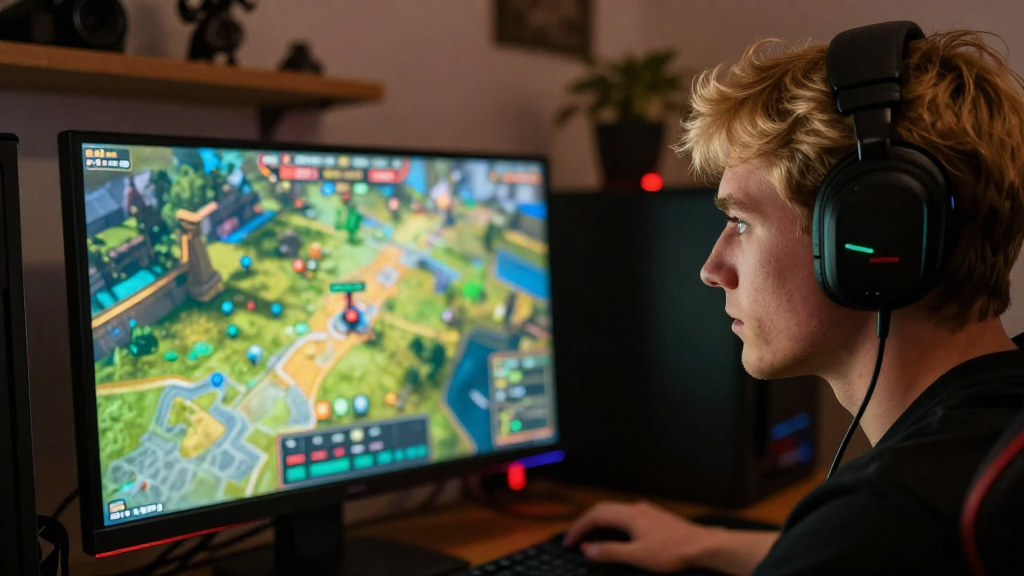
How gamers think ahead is a crucial skill that sets successful players apart from the rest.
In both casual and competitive gaming, the ability to anticipate future scenarios can significantly impact outcomes.
But how do gamers acquire this skills? This article will explore the cognitive processes and practices that enable gamers to think ahead effectively.
What Strategies Help Gamers Think Ahead?
Gamers employ a variety of strategies to enhance their ability to think ahead. Here are some effective methods:
- Practice and Experience:
- Continuous playing helps gamers recognize patterns and improve their foresight.
-
Real-life experiences in-game scenarios significantly boost predictive skills.
-
Analyzing Game Mechanics:
- Understanding the mechanics of a game allows players to foresee possible consequences.
-
Studying the rules and limitations can help predict outcomes.
-
Learning from Others:
- Engaging with more experienced players provides insights into strategies they might not consider.
-
Watching streams and tutorials helps gamers evaluate different approaches to gameplay.
-
Trial and Error:
- Experimenting with different strategies can teach gamers which actions lead to success.
- Reviewing past mistakes is crucial for improving future decision-making.
Why Is Critical Thinking Important for Gamers?
Critical thinking is at the core of how gamers think ahead.
Why is it significant?
- Improves Decision-Making:
- Gamers must evaluate their choices swiftly.
-
Effective critical thinking promotes quicker and more informed decisions.
-
Enhances Problem-Solving Skills:
- Gamers face complex challenges that require innovative solutions.
-
Cognitive flexibility allows for adapting strategies in real-time.
-
Increases Adaptability:
- Critical thinking helps gamers adjust their tactics based on the unpredictable nature of gameplay.
- Being open-minded leads to discovering alternative paths to victory.
How Does Game Design Encourage Forward Thinking?
The structure of modern video games inherently promotes how gamers think ahead.
Here’s how:
- Level Complexity:
- Complicated terrains and challenging obstacles necessitate advanced planning.
-
Players must analyze levels before acting, ensuring they think multiple steps ahead.
-
Timer Constraints:
- Time limits force players to make quick yet strategic decisions, enhancing their ability to predict outcomes.
-
Fast-paced games often require a quick grasp of cause-and-effect relationships.
-
Resource Management:
- Many games involve limited resources that necessitate long-term planning and foresight.
- Players must allocate these resources wisely to maximize their effectiveness.
What Role Do Game Genres Play?
Different game genres contribute uniquely to how gamers think ahead.
Consider the following:
- Strategy Games (e.g., StarCraft, Civilization):
- Require players to plan out their moves in advance, defending against opponents while managing resources.
-
Encourage players to think several steps ahead to anticipate others’ reactions.
-
Role-Playing Games (e.g., Final Fantasy, The Witcher):
- Involve character development where players must choose paths that impact future storylines and gameplay.
-
Encourage critical thinking through choices and consequences.
-
Puzzle Games (e.g., Tetris, Portal):
- Demand forward-thinking skills to solve challenges effectively and creatively.
-
Players learn to predict outcomes based on their current positioning and choices.
-
Action Games (e.g., Call of Duty, Fortnite):
- Require split-second decision-making while considering future engagement possibilities.
- Players must think one step ahead of their opponents to secure victories.
How Does Social Interaction Enhance Strategic Thinking?
Social interaction in gaming significantly impacts how gamers think ahead.
Here’s why:
- Collaboration:
- Team-based games foster communication and strategy formulation among teammates.
-
Players must think collaboratively, considering others’ strengths and weaknesses.
-
Competition:
- Competing against others sharpens predictive reasoning.
-
Observing opponents’ strategies leads to adapting one’s own approach to stay ahead.
-
Feedback Mechanisms:
- Engaging in discussions with fellow gamers can reveal strategies and insights players weren’t aware of.
- Constructive criticism can refine one’s strategic thinking for future gameplay.
How Can Gamers Practice Thinking Ahead?
Gamers looking to enhance their foresight can employ several techniques:
- Set Goals:
- Establish short-term and long-term gaming goals.
-
A clear target helps direct focus toward necessary strategies.
-
Review Gameplay Vods:
- Analyze past games to identify areas for improvement.
-
Understanding what worked well and what didn’t fosters future success.
-
Engage in Strategy Games:
- Diversifying the types of games played can enhance strategic thinking.
-
Genres that emphasize planning and resource management are particularly beneficial.
-
Join Gaming Communities:
- Networking with other players exposes you to different perspectives and strategies.
- Participating in forums or Discord groups can lead to valuable discussions about tactics.
Conclusion: How Gamers Think Ahead Building a Future in Gaming
In conclusion, how gamers think ahead is a vital skill worth developing.
Gamers assemble strategic plans, analyze complex game mechanics, and adapt to various situations through critical thinking.
The blend of practice, game design, social interaction, and various genres significantly contributes to their ability to anticipate future predictions.
By honing these skills, gamers not only improve their gameplay but also engage in a fulfilling journey of personal growth and cognitive development.
Whether you’re a casual gamer or a competitive player, knowing how to think ahead can enhance your gaming experience and outcomes.
Now that you’re aware of the strategies, techniques, and factors influencing forward thinking in gaming, why not put them to the test?
The countdown to victory awaits!