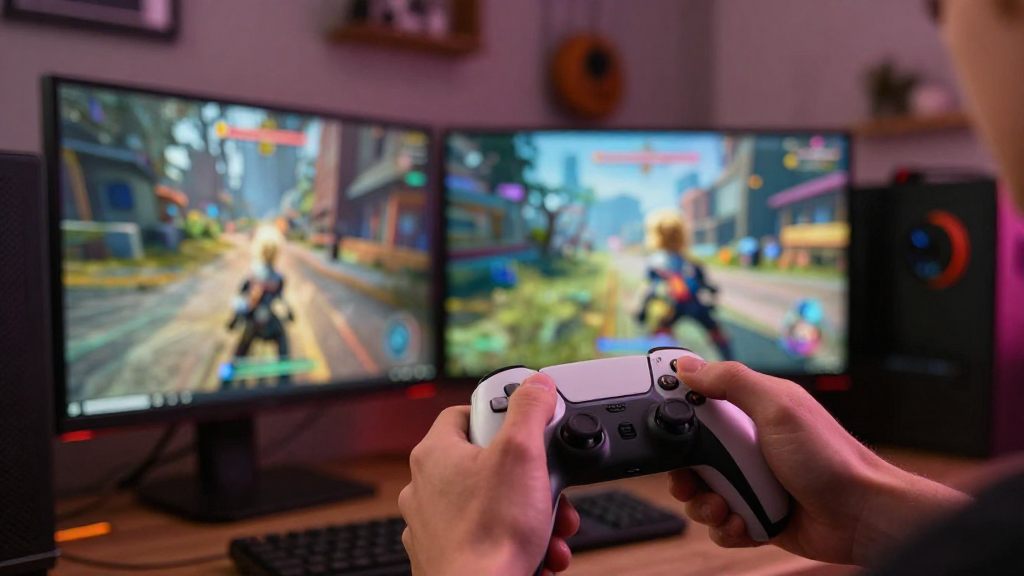
In the world of gaming, one might wonder why players often engage in gameplay that involves repetitive tasks. The answer lies in how gamers embrace repetition.
What Drives Gamers to Engage in Repetitive Tasks?
Repetition in gaming is more than just a necessity for progress; it’s an integral part of the experience that gamers willingly embrace.
-
Skill Development:
- Repeated actions allow players to refine their skills.
- Practice makes perfect; gamers become more adept at mastering controls, strategies, and complex maneuvers.
-
Achievement and Progression:
- Many games are designed with progression systems that reward repetition.
- Leveling up characters or collecting items often requires continuous engagement in similar tasks.
-
Sense of Accomplishment:
- Completing a challenging mission multiple times can yield immense satisfaction.
- Trophies, achievements, or unlocking new content provides positive reinforcement for repetitive play.
-
Community Engagement:
- Multiplayer games often require teamwork and coordination which can involve repeated gaming sessions.
- Gamers come together to practice strategies, share tips, and boost each other’s skills.
Are There Psychological Benefits to Repetition in Gaming?
Yes, several psychological factors play a role in how gamers embrace repetition.
-
Cognitive Processing:
- Repeating actions helps to ingrain skills in long-term memory.
- Gamers often find they can predict outcomes based on previous experiences, enhancing their cognitive abilities.
-
Stress Relief and Routine:
- For many, gaming becomes an escape from daily life stresses.
- Establishing a routine through repetitive tasks can create a sense of normalcy and structure in one’s life.
-
Flow State:
- Engaging in repetitive tasks can lead to a flow state, where individuals are fully immersed in their activities.
- This state often results in increased satisfaction and enjoyment, as players lose track of time.
-
Emotional Connection:
- Repeated gameplay can build a deeper emotional connection to the game, characters, and storyline.
- Familiarity can breed attachment, making the gaming experience more enjoyable.
How Do Different Genres Utilize Repetition?
Not all games employ repetition in the same way; different genres take unique approaches.
-
Role-Playing Games (RPGs):
- In RPGs, players often grind through repetitive tasks to level up their characters and obtain better equipment.
- Examples include “Final Fantasy” and “World of Warcraft” where grinding becomes not only necessary but enjoyable.
-
Action Games:
- In action-oriented games, players often replay levels to master patterns and enemy movements.
- Games like “Dark Souls” emphasize repetition in understanding and overcoming difficult challenges.
-
Simulation Games:
- Simulation games like “The Sims” or “Animal Crossing” invite players to engage in repetitive yet rewarding activities, such as farming or building.
- Here, repetition becomes a joyous routine that mimics real-life scenarios.
-
Sports Games:
- Sports simulation games encourage gamers to replay matches, practicing tactics, and refining strategies with each repetition.
- Titles like “FIFA” or “NBA 2K” showcase how repetition creates mastery in a virtual sports environment.
Can Repetition Lead to Burnout?
While repetition often enhances gameplay, there can be drawbacks.
-
Monotony:
- Some gamers may find excessive repetition dull or unenjoyable.
- It’s crucial to balance engagement with fresh content to prevent burnout.
-
Time Commitment:
- Gamers can invest significant hours into repetitive tasks, leading to potential neglect of real-life responsibilities.
- Awareness of time management is important to maintain a healthy relationship with gaming.
-
Frustration:
- Repeated failures can lead to frustration rather than achievement.
- Developers often need to find the right balance to keep the experience enjoyable without causing annoyance.
How Can Gamers Get the Most Out of Repetition?
To maximize the enjoyment of repetition in gaming, consider the following tips:
-
Set Goals:
- Establishing personal objectives can help provide direction and purpose during repetitive gameplay.
-
Mix It Up:
- Try different characters, strategies, or even game modes to keep repetitive tasks fresh and engaging.
-
Play with Friends:
- Engaging in repeated tasks with friends not only increases enjoyment but also fosters camaraderie.
-
Take Breaks:
- A balanced approach is vital; take breaks to prevent fatigue and keep gaming enjoyable.
-
Explore New Games:
- Sometimes, stepping outside a repetitive cycle by exploring new games can reignite enthusiasm for gaming.
Conclusion: Why Repetition Is Part of the Gaming Experience
In closing, understanding how gamers embrace repetition reveals much about our engagement with games.
Repetition serves many purposes, from enhancing skills to creating emotional connections. As gamers, embracing repeated actions enriches the overall experience, transforming challenges into exciting journeys.
By recognizing the psychological benefits and potential drawbacks of repetition, gamers can make informed choices that enhance their enjoyment.
So, dive into your favorite titles, embrace the grind, and discover the joy in the journey through the fascinating world of video games!